



The Philosophy: Think in Layers
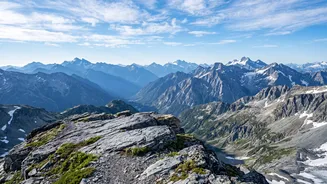
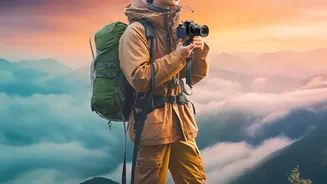
The single most important principle for mountain comfort is layering. Weather in the Himalayas or the Western Ghats is notoriously unpredictable; a sunny morning can quickly become a windy, rain-swept afternoon. Instead of packing bulky, single-purpose
items like a heavy jacket, think of your clothing as a versatile system you can adapt. The standard is a three-layer system: a base layer to manage sweat, a mid-layer for insulation, and an outer layer for protection from wind and rain. By adding or removing these thin, efficient layers, you can regulate your body temperature perfectly without ever feeling weighed down. The goal is to carry clothes that work together, not just a random assortment of warm items.
Your Five-Day Clothing Checklist
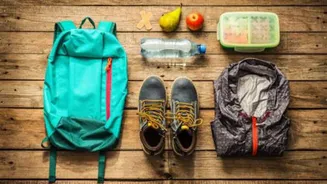
For a five-day trek, minimalism is key. Avoid cotton at all costs, as it absorbs moisture and will make you cold. Instead, focus on wool or synthetic fabrics. Your list should look something like this: one base layer top and bottom to wear, and one spare set. Two pairs of quick-drying trek pants are sufficient. For insulation, a single fleece jacket and a packable down or synthetic puffy jacket are crucial. The fleece is great for active hiking, while the puffy is perfect for cold evenings at the campsite. For your outer shell, one waterproof and windproof jacket is non-negotiable. Don't forget accessories: three pairs of merino wool socks, a sun cap, a warm beanie, and a pair of gloves. This curated wardrobe covers every likely weather scenario without overstuffing your pack.
The Art of Strategic Packing
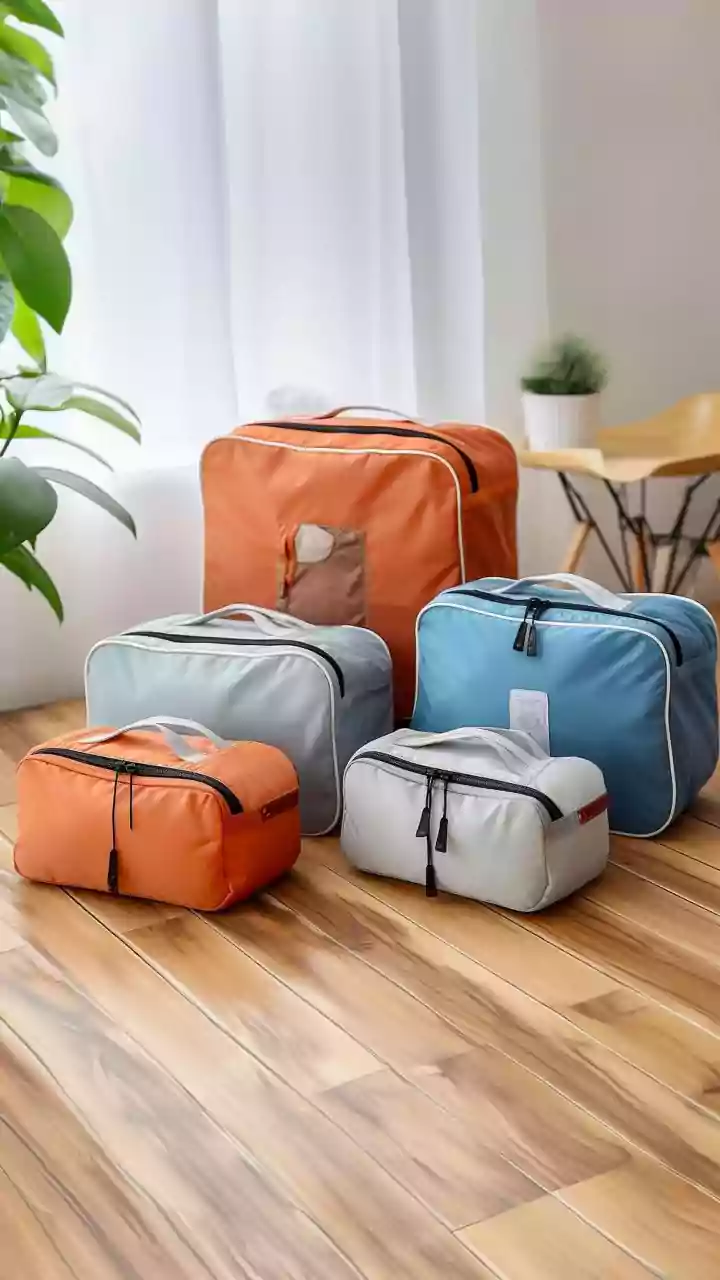
How you pack is just as important as what you pack. The general rule is to place bulky, less-used items at the bottom of your backpack, heavy items close to your spine in the middle, and frequently needed items at the top. Your sleeping bag can create a soft base. Dense items like your food supply and water reservoir should sit against your back to maintain your centre of gravity. Your rain gear and an insulating layer should always be easily accessible at the top of the main compartment. Use small pouches for essentials like your headlamp, first-aid kit, and toiletries to keep them organised and easy to find. This method prevents you from having to empty your entire bag just to find your rain jacket during a sudden downpour.
Embrace the Power of Compression
To truly optimise space, compression is your best friend. Instead of folding your clothes, roll them tightly. This 'ranger roll' technique not only saves significant space but also helps prevent deep wrinkles. For your bulkiest items, like your sleeping bag and puffy jacket, use compression sacks. These sacks allow you to squeeze the air out, reducing the item's volume dramatically. However, a word of caution: don't create hard, dense 'bricks' of clothing that leave awkward empty spaces in your bag. Sometimes, it's better to use looser stuff sacks that can mould into the nooks and crannies of your pack, filling it out evenly. Fill any remaining gaps with smaller items; stuff socks inside your camp shoes, for example. Every square centimetre counts.