





The Annual Festive Gold Rush
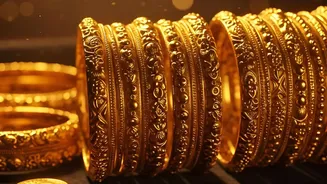
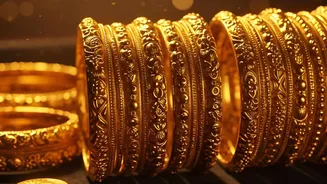
The period around Dhanteras and Diwali is traditionally the most auspicious time for buying gold in India, a practice deeply rooted in cultural beliefs of prosperity and good fortune. This year was no different. Jewellers rolled out attractive offers,
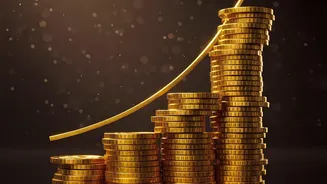
including discounts on making charges and gold rate protection schemes, to entice customers. Preliminary estimates for Dhanteras on November 6, 2026, suggest sales reached approximately ₹60,000 crore, marking a significant increase in value from the previous year. This surge was partly encouraged by a slight dip in domestic gold prices just before the festival, which buyers saw as an added incentive.
Culture, Tradition, and Timing
To understand the festive rush, one must look beyond simple market economics. For millions of Indian households, buying gold during Diwali or for the ensuing wedding season is a cherished tradition passed down through generations. It's an emotional and cultural purchase, often planned months in advance and tied to life events, not just investment calculations. This demand is so predictable that jewellers and wholesalers pre-stock inventories weeks in advance, which contributes to a price firming even before the festivals begin. This seasonal demand is also bolstered by practical factors, such as festival bonuses that increase disposable income for many families.
Why Local Demand Doesn't Steer Global Prices
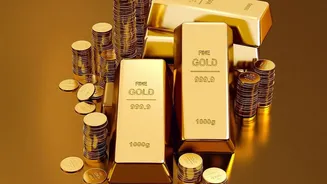
While India is one of the world's largest gold consumers, the festive buying spree has a limited impact on forecasting long-term global prices. Gold is a global commodity, and its price is primarily set on international exchanges like the London Bullion Market and COMEX in the U.S., priced in dollars. Therefore, the domestic price in India is a derivative of the international price, the USD-INR exchange rate, and local factors like import duties and taxes. A temporary spike in seasonal demand in India can cause local premiums to rise but rarely has the power to override major global trends. Analysts note that festive demand has a stronger correlation with domestic premiums and import volumes than with international price movements.
The Real Drivers of Gold's Value
So, what truly moves the needle? The price of gold is more significantly influenced by macroeconomic factors. These include the monetary policy of the U.S. Federal Reserve, interest rates, the strength of the U.S. dollar, and global inflation rates. Geopolitical uncertainty and economic instability also play a crucial role, as investors often flock to gold as a 'safe-haven' asset during turbulent times. The buying patterns of central banks and large-scale investment flows into gold-backed ETFs have a much weightier impact on supply and demand dynamics than seasonal consumer purchases in a single country. A post-Diwali dip in local prices, when it happens, is often a coincidence of cooling domestic demand and concurrent global market pressures, not a direct consequence of the festival ending.
What This Means for the Everyday Buyer
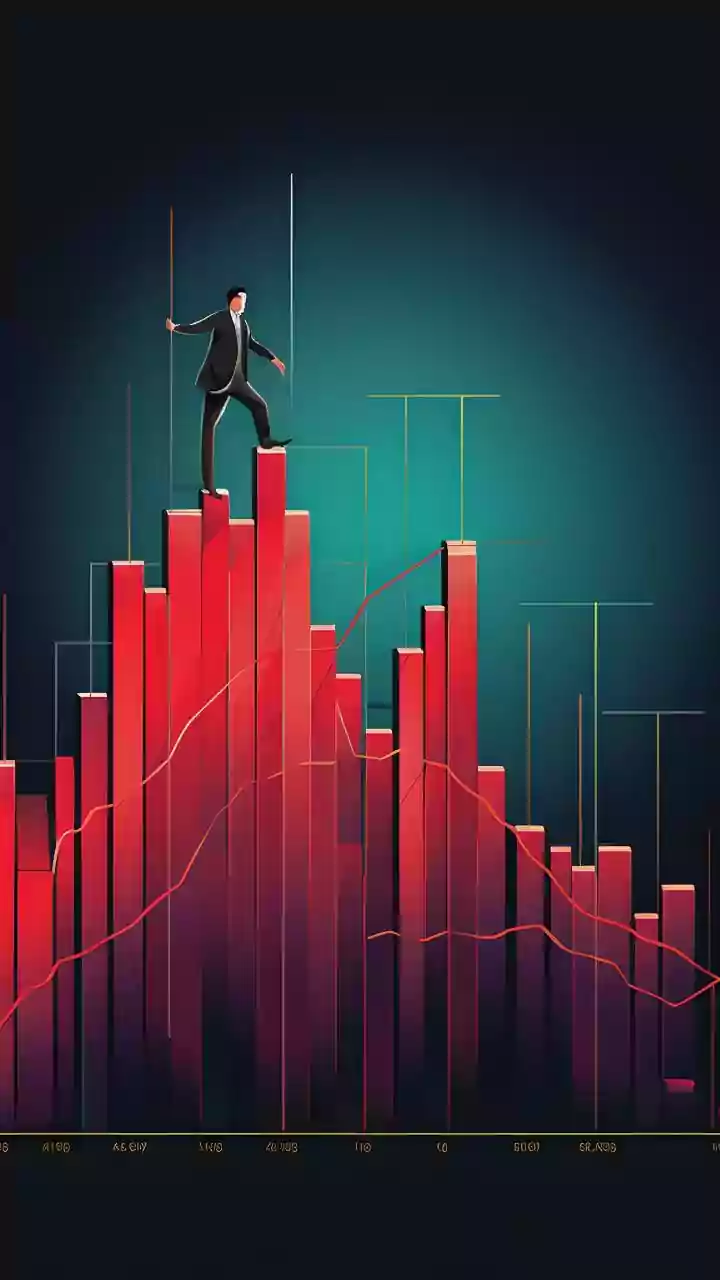
For consumers and investors, this distinction is crucial. Viewing the festive sales as a predictor of future price hikes is a flawed strategy. While buying gold for cultural reasons during Dhanteras will always hold significance, investment decisions should be based on a broader analysis. Experts often advise against making large investment purchases during the festive peak when demand is high and discounts are less likely. Instead, a more prudent approach involves looking at the global economic outlook, currency trends, and geopolitical stability. While some analysts predict gold could see significant gains in the coming year, these forecasts are based on global factors, not the recent festive buying trends.