


More Than Just Mud
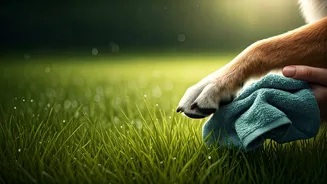
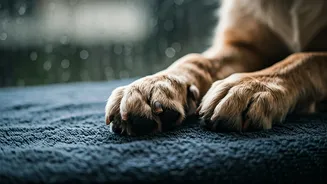
The grime your dog brings in after a walk through a city street or a park is a cocktail of potentially harmful substances. Those seemingly innocent muddy paws can carry more than just dirt. They can be coated with allergens like pollen, lawn chemicals,
pesticides, and bacteria or fungi that thrive in damp soil. [5, 12, 15] Studies show paws can also pick up urban pollutants, traces of animal waste, and even heavy metals, all of which get tracked into your home and can be ingested when your dog licks their paws. [5, 26]
The Daily Paw Inspection
Making paw cleaning a routine gives you the perfect opportunity to check for injuries. Before you wash, take a moment to inspect each paw. Gently spread the toes and check the webbing and pads for any cuts, scrapes, thorns, splinters, or pieces of glass. [4, 19] Look for redness, swelling, or any signs of irritation, which could indicate an allergic reaction or the beginning of an infection like pododermatitis (inflammation of the paw skin). [2, 18] Also, check for parasites like ticks that can hide between toes. Spotting these issues early can prevent them from becoming serious problems. [5]
A Simple and Safe Cleaning Method
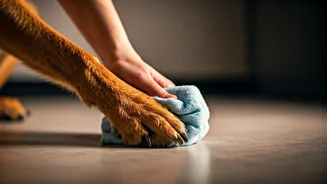
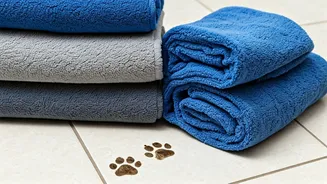
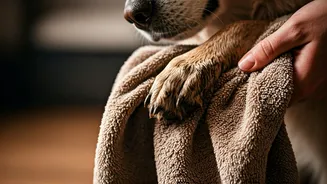
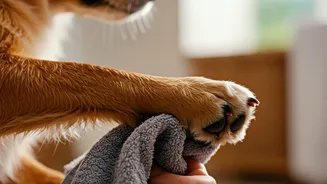
You don't need a full bath after every walk. For most daily cleaning, a simple setup by your door is enough. A bowl of lukewarm water and a soft towel is a great start. [10] You can also use pet-safe, hypoallergenic wipes for convenience. [9] For a more thorough clean after a particularly muddy adventure, a mild dog shampoo is recommended. [9] Gently wash each paw, ensuring you clean between the pads and toes, then rinse thoroughly to remove any soap residue. The most critical final step is to dry the paws completely. Lingering moisture creates a perfect breeding ground for fungal infections. [7, 21]
Easy DIY Paw Cleaning Solutions
You can easily make effective paw cleaners at home. A simple solution of one part apple cider vinegar to two parts water can act as a natural antibacterial and antifungal rinse; just be sure to avoid using it on open cuts as it can sting. [20] Another option is to mix a teaspoon of a gentle, pet-safe castile soap with a tablespoon of coconut oil and water in a spray bottle. [6] Spray this onto a cloth to wipe paws clean. For a quick deodorizing soak, a tablespoon of baking soda in a cup of warm water can neutralize odours and help soothe minor itching. [20] Always rinse and dry paws well after any soak.
Preventing Cracks and Irritation
Just like our own skin, paw pads can become dry and cracked, especially from walking on hot pavement or rough surfaces. [28] While you want paw pads to be tough, cracks can be painful and allow bacteria to enter, leading to infection. [27] After cleaning and drying your dog's paws, consider applying a paw balm or wax. These products are specifically designed to moisturize and protect the pads, keeping them healthy and supple. Avoid using human lotions, which can be too soft for a dog's pads and may contain ingredients that are toxic if licked. [27]