







The Old Model is Losing Muscle
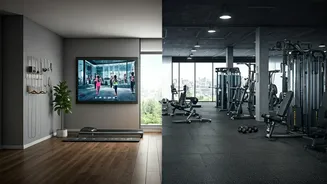
For decades, the gym was the undisputed temple of fitness. You signed up, paid a hefty annual fee, and tried to squeeze in sessions between long work hours and commuting. But this one-size-fits-all model is showing its age. In major Indian cities, issues
like overcrowding during peak hours, the hassle of traffic, and a lack of parking make the simple act of getting to the gym a workout in itself. Many young professionals find that the rigid schedules and high costs don't align with their dynamic lifestyles. Research shows that even before the pandemic, a significant number of gym members were not attending regularly, citing reasons from boredom to a poor gym experience. The result is a growing disconnect between signing up and showing up, pushing a new generation to seek alternatives that genuinely fit their lives.
Flexibility is the New Rep Goal
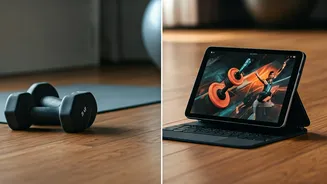
The core appeal of a hybrid routine is its supreme flexibility. It’s a mix-and-match approach that combines the best of all worlds: maybe a strength session at a physical gym on Monday, a live-streamed yoga class from your living room on Wednesday, a run in the park tracked by an app on Friday, and a dance fitness session with friends on the weekend. This model acknowledges that no two days are the same. For a generation juggling demanding careers, social lives, and personal projects, the ability to work out whenever and wherever is a game-changer. A report on 2025 fitness trends revealed that users with flexible workout schedules were more consistent than those with fixed slots. This adaptability not only reduces the risk of workout fatigue but also empowers individuals to stay consistent, even on the busiest of days.
Smarter Spending, Better Value
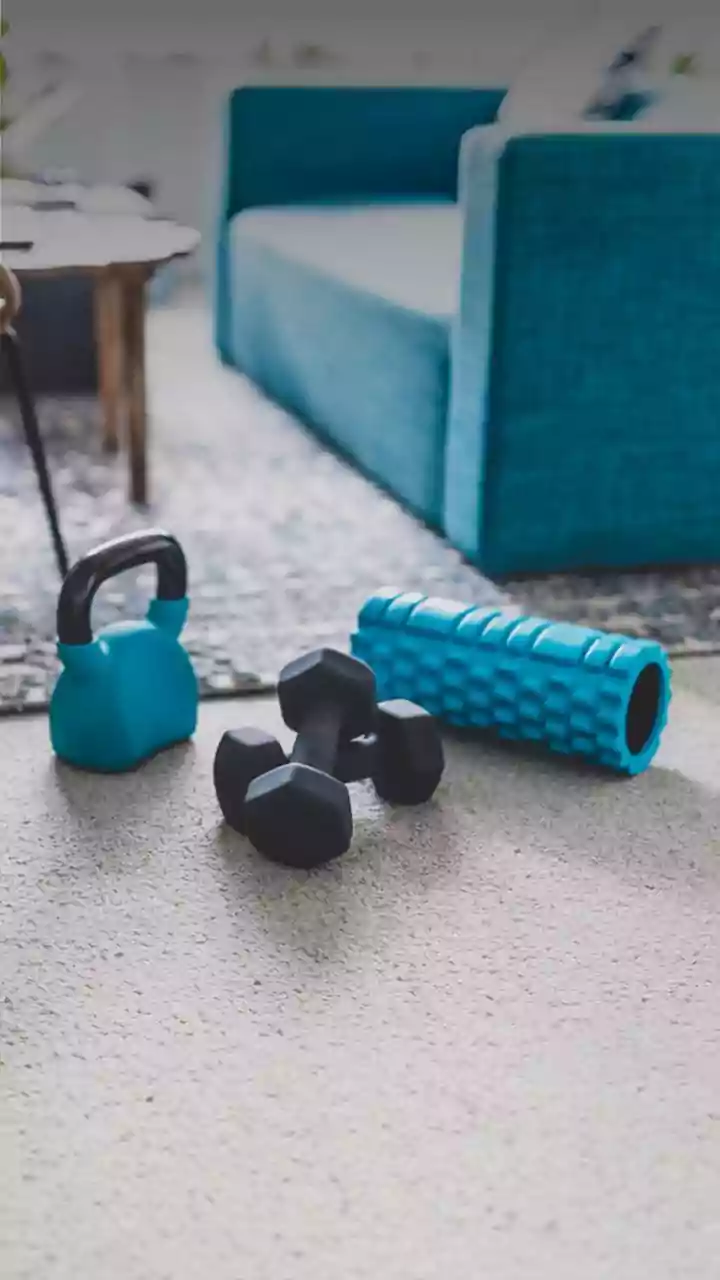
Traditional gym memberships often feel like a sunk cost, especially when life gets in the way. Young professionals are famously value-conscious, and they're questioning the return on investment from a contract that locks them in. More than half of non-members cite high cost as the primary barrier to joining a gym. Hybrid fitness, powered by a universe of apps and pay-per-session models, offers a more financially sensible path. Instead of one large annual fee, you might subscribe to a fitness app for a few hundred rupees a month, pay for a drop-in class at a local studio, or invest in basic home equipment that pays for itself over time. This unbundled approach means you only pay for what you use, turning fitness from a fixed overhead into a variable expense that you control.
Community Beyond Four Walls
While traditional gyms provide a physical space, the sense of community can often be hit-or-miss. The hybrid model is redefining what a fitness community means. It’s found in niche running clubs, pop-up 'fitness raves' in cities like Bengaluru, and online groups dedicated to specific workout programs. These communities are built on shared interests and mutual motivation, extending beyond the gym floor. Gen Z and young millennials are particularly drawn to these social fitness experiences, which often blend exercise with socialising in a fun, pressure-free environment. This digital-physical blend allows for deeper connections, where members motivate each other both online and in real life, making the fitness journey a shared and more enjoyable one.
Personalisation Powered by Tech
Today’s young professionals are digital natives who expect personalised experiences, and the fitness world is no exception. The Indian fitness app market is booming, with projections showing exponential growth driven by the demand for tailored wellness solutions. Wearable devices and AI-powered apps go beyond simple step counting, offering detailed insights into everything from sleep quality to stress levels and recovery. This data allows for hyper-personalised workout plans and nutrition advice that adapt to your body’s needs in real-time. Instead of following a generic gym chart, users get a plan that evolves with them, making workouts more effective and engaging. This tech-driven approach puts the user in the driver's seat of their own health journey.