



The Volatile Trio: Onions, Potatoes, and Tomatoes
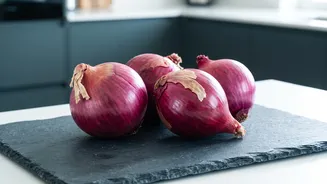
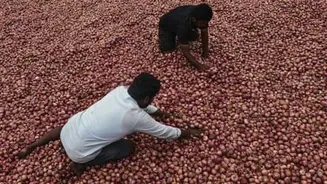
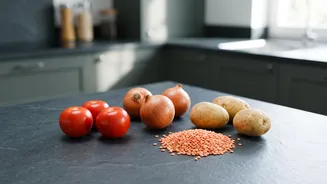
No Indian kitchen is complete without them, but the prices of onions, potatoes, and tomatoes are notoriously volatile. Their costs are highly sensitive to weather conditions, from unseasonal rains to heatwaves, which can damage crops and disrupt supply
chains. For example, reports in August 2026 noted that onion and garlic inflation stood at around 22% and 35% respectively due to crop damage from hail and rainfall in key growing states. Keeping an eye on daily mandi (wholesale market) rates and news about weather in growing regions like Maharashtra and Madhya Pradesh can give you a heads-up on potential price spikes. When prices are low, consider buying a little extra, but be mindful of their shelf life.
The Protein Powerhouse: Pulses and Dals
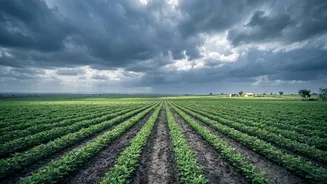
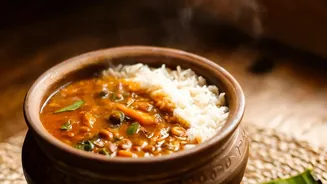
Dal is a cornerstone of daily meals, making pulse prices a critical component of the monthly food budget. The cost of dals like Tur (Arhar) and Gram (Chana) is heavily influenced by the monsoon's performance and government import policies. A weak monsoon can reduce crop yields, leading to higher prices, as seen in market expectations for September 2026. According to the Department of Consumer Affairs, the all-India average retail price of Tur/Arhar dal was ₹124.05 per kg as of early September 2026. Tracking monsoon coverage and government announcements on buffer stocks or import duties can help you decide when to stock up on these essential proteins.
The Kitchen Essential: Edible Oils
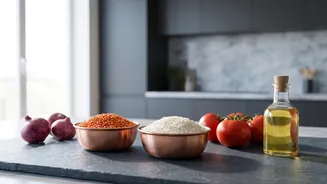
From mustard to sunflower and palm oil, edible oils are indispensable for Indian cooking. However, India is heavily dependent on imports, making domestic prices susceptible to global market fluctuations, freight costs, and import tariffs. A recent Finance Ministry report highlighted that rising global vegetable oil prices pose a persistent inflationary risk. Domestic edible oil inflation rose steadily to 7.84% in July 2026, reflecting the pass-through of higher international costs to retail consumers. Following global price indices like the FAO Vegetable Oil Price Index and changes in India's import duty structure can offer clues about upcoming price trends.
The Daily Staple: Milk and Dairy Products
Milk, curd, paneer, and ghee are daily necessities for millions. The prices of dairy products are primarily affected by the cost of animal feed and fodder, which in turn depends on the monsoon. A poor monsoon can lead to a shortage of green fodder, increasing costs for dairy farmers and eventually leading to higher retail prices for milk. A recent Finance Ministry report also pointed to milk as one of the items that recorded notable inflation in July 2026. Watching for news on fodder availability and listening to announcements from major dairy cooperatives can help you anticipate changes in your daily milk expenses.
The Foundation Grains: Rice and Wheat
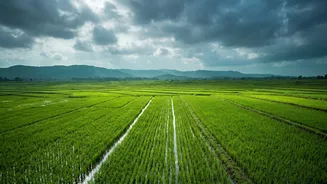
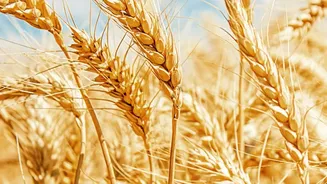
As the foundation of the Indian diet, the prices of rice and wheat are relatively stable compared to vegetables, but they are still crucial to track. The government's Minimum Support Price (MSP), procurement levels for the public distribution system (PDS), and buffer stock status are key determinants of their market price. The latest data from September 2026 showed the average retail price of rice at ₹46.17/kg and wheat at ₹31.64/kg. While less volatile, reports have shown that the contribution of cereals to food inflation has been accelerating, making them an important category to watch over the long term.
The Flavor Makers: Spices and Processed Foods
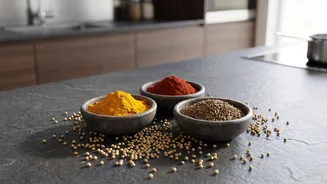
While individual spices might not take up a large portion of your budget, sharp spikes in items like ginger, garlic, or turmeric can add up. More importantly, recent economic reports indicate a shift in what's driving food inflation. Protein-rich items and processed foods (including snacks, beverages, and sweets) are becoming key contributors to rising costs. This means it's no longer just about raw ingredients. Paying attention to the prices of your family's favorite packaged snacks and ready-to-eat meals is now just as important for effective budget planning.