


The Truth About That 'Healthy' Bar
We’ve all been there. Rushing between meetings or heading home after a gym session, you reach for a protein bar. It feels like a responsible choice — convenient, portable, and full of protein, right? Not always. A closer look at the ingredients list of many
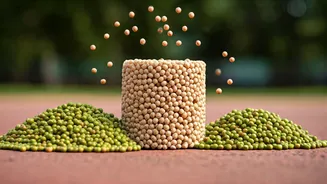
mass-market protein bars reveals a less-than-ideal reality. They are often ultra-processed foods, packed with various forms of sugar (like high-fructose corn syrup), sugar alcohols that can cause digestive distress, and a laundry list of artificial flavours, preservatives, and fillers. While they deliver a dose of protein, it frequently comes from highly processed sources like soy protein isolate. In essence, you might be consuming a product that’s structurally closer to a chocolate bar than a whole-food meal, leading to energy spikes and crashes rather than sustained nourishment.
Enter Ragi: An Ancient Powerhouse
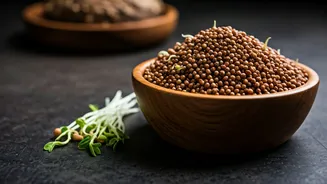
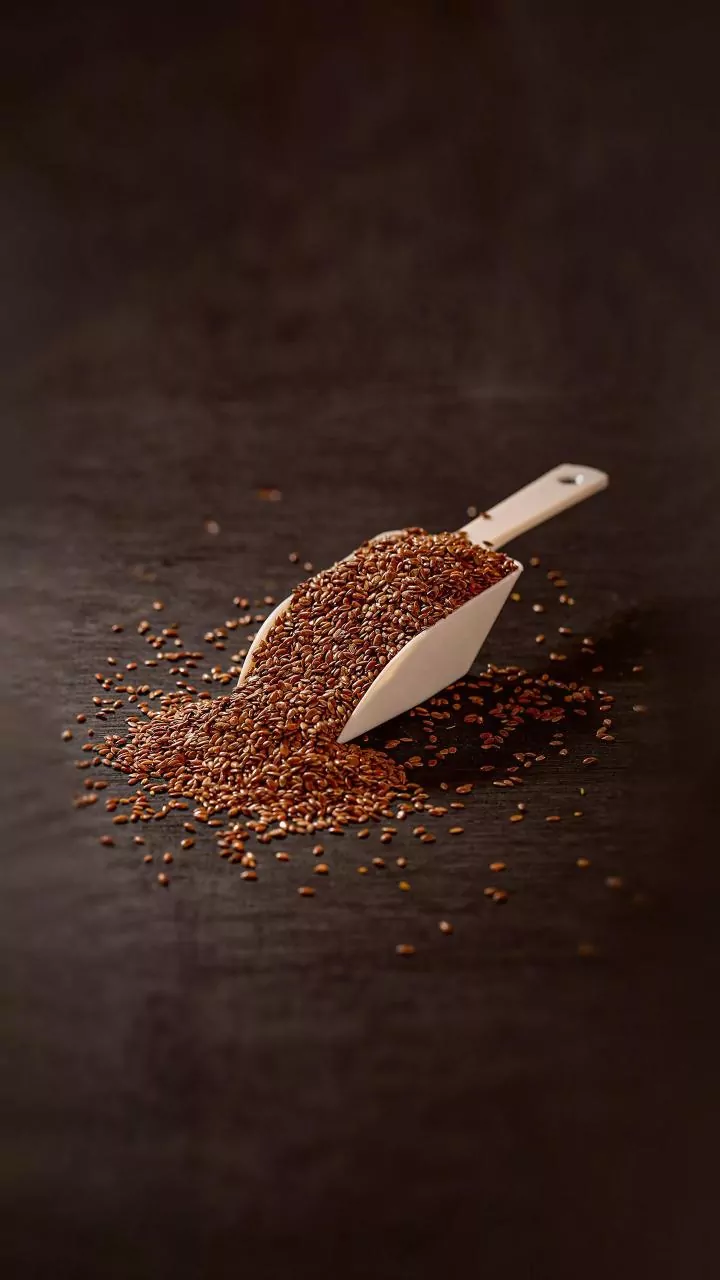
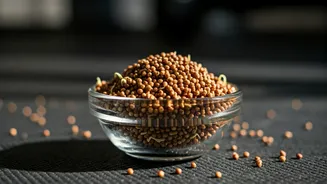
Now, let’s turn to an alternative that has been nourishing Indians for centuries: ragi, also known as finger millet. This humble grain is a nutritional champion. It's naturally gluten-free and boasts an impressive profile of essential nutrients. Ragi is one of the best non-dairy sources of calcium, crucial for bone health. It’s also rich in dietary fibre, which aids digestion, promotes a feeling of fullness, and helps regulate blood sugar levels — preventing the very crashes that sugary snacks cause. Furthermore, ragi is a good source of iron and essential amino acids like methionine. Unlike the engineered ingredients in a lab, ragi is a whole food, offering a complex matrix of nutrients that work together synergistically in your body.
Why Sprouting Makes It Even Better
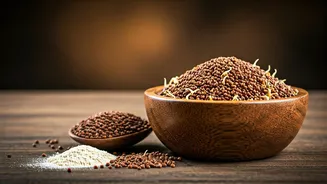
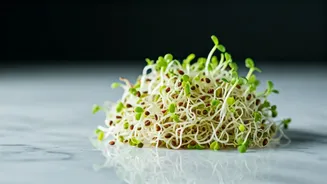
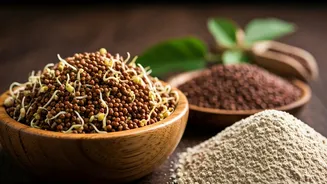
The magic of ragi is magnified through a simple, natural process: sprouting. When you sprout the ragi grain before milling it into flour, you are essentially waking it up. This germination process unlocks a wealth of benefits. Sprouting increases the bioavailability of nutrients like iron and calcium, meaning your body can absorb and utilise them more effectively. It also breaks down anti-nutrients like phytic acid, which can otherwise interfere with mineral absorption. The process boosts the activity of enzymes, making the grain easier to digest and enhancing its overall nutritional value. A sprouted ragi flour mix isn't just flour; it's a pre-digested, nutrient-dense superfood, optimised by nature for your body.
Ragi Mix vs. Protein Bar: The Verdict
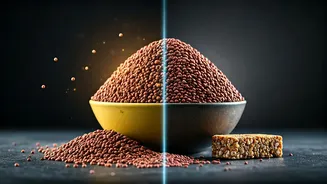
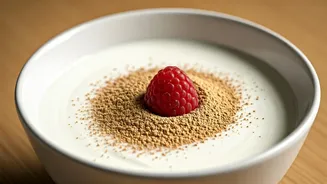
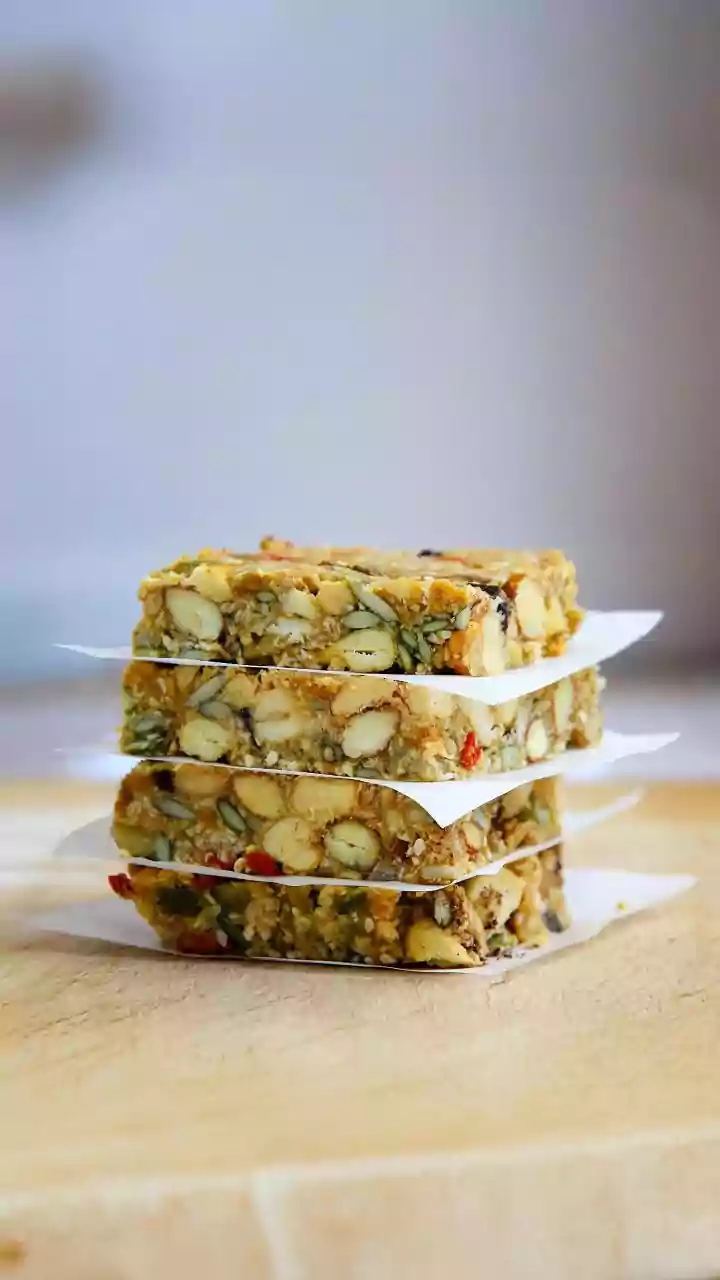
When you place a homemade sprouted ragi mix preparation side-by-side with a typical processed protein bar, the comparison is stark. The ragi mix offers complex carbohydrates for sustained energy release, high-quality fibre for gut health, and bioavailable micronutrients. Its sweetness can come from natural sources like jaggery or dates, which you control. In contrast, the protein bar often provides a quick hit of simple sugar and processed protein, with minimal fibre and a host of artificial additives. The ragi mix is a whole food that nourishes, while the bar is often a fragmented assembly of ingredients designed for shelf life and hyper-palatability. For long-term health, gut-friendly digestion, and stable energy, the traditional choice is the clear winner.
Making the Switch: It's Easier Than You Think
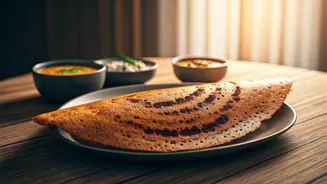
Swapping your protein bar habit for sprouted ragi is incredibly simple. You don't need to be a gourmet chef. Start your day with a quick ragi porridge (kanji), sweetened with a bit of jaggery and perhaps some nuts. For a post-workout drink, blend a couple of tablespoons of sprouted ragi flour into your milk or yogurt smoothie. You can also make healthy and delicious ragi laddoos by mixing the flour with ghee, nuts, and a natural sweetener — these are perfect, portable energy balls that can easily replace a packaged bar. The key is to see sprouted ragi flour as a versatile base for quick, wholesome snacks and meals, giving you full control over what goes into your body.