


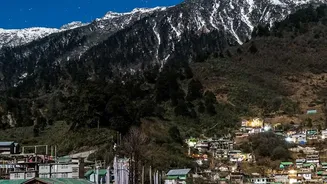


The Unpredictable Nature of Himalayan Winters
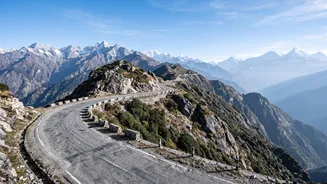
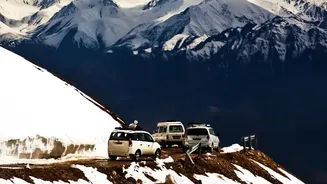
Winter in the Himalayas brings stunning landscapes but also significant travel risks. Climate patterns have become increasingly erratic, leading to sudden heavy snowfall, road closures, and flight cancellations. Recent years have seen intense rains and changing
weather patterns increasing the risk of landslides and flash floods, even outside the traditional monsoon season. The India Meteorological Department (IMD) often issues warnings for the Western Himalayan region, including states like Himachal Pradesh and Uttarakhand, for snowfall and thunderstorms, which can shut down major highways and leave travellers stranded. These events are often classified as 'force majeure' or 'acts of God' by travel companies, which can have major implications for refunds.
Decoding the Fine Print: Cancellation Policies
Travel operators and hotels in the Himalayas have widely varying cancellation policies. It is essential to read them thoroughly before paying a deposit. Some companies offer a tiered refund system, where the amount you get back depends on how far in advance you cancel. For example, cancelling 45-30 days prior might incur a 15% charge, while cancelling within 10-14 days could result in a 75% loss of the tour cost. Many operators state that the initial booking deposit is strictly non-refundable under any circumstances. For high-altitude treks and expeditions, cancellation terms can be even stricter, with some deposits being entirely non-refundable from the moment of payment. Look for keywords like 'no show', 'early departure', and 'unforeseen circumstances', as these clauses often mean you will not be eligible for any refund.
What 'Force Majeure' Means For Your Money
A 'force majeure' clause is a contractual term that frees both parties from liability in the case of an extraordinary event beyond their control, such as a natural disaster, landslide, or government order. In India, this is governed by the Indian Contract Act. If your trip is cancelled due to heavy snowfall blocking a road, the operator may not be obligated to provide a full refund. Their policy might state that refunds are limited to whatever they can recover from their suppliers, like hotels and transport providers. Some may offer a travel voucher for a future trip instead of a cash refund, but this is not guaranteed. Always clarify the company’s specific policy on weather-related disruptions before you commit.
Essential Questions for Your Travel Agent or Hotel
Before finalizing your booking, arm yourself with a list of specific questions. Don’t assume anything. Ask directly: 'What is your refund policy if the trip is cancelled due to road closures from snow or landslides?' Also inquire, 'If I am stuck midway through the trip, who covers the additional costs for accommodation and transport?' Other important questions include: 'Do you offer a credit note or voucher for a future trip if cancellation is due to weather?' and 'What are the specific amendment charges if I need to change my dates?' Getting these answers in writing via email provides a crucial record if a dispute arises later. Many policies state that no refund is applicable for unused services if you have to cut your trip short.
The Safety Net: Why Travel Insurance is Non-Negotiable
Standard travel insurance may not be sufficient for a Himalayan adventure. Many tour operators make purchasing comprehensive travel insurance mandatory, especially for trekking and climbing. This insurance must explicitly cover activities at high altitudes, sometimes up to 6,000 meters, and include emergency medical evacuation by helicopter, which can be extremely expensive. Critically, your policy should also have robust 'trip cancellation' coverage that protects you against non-refundable costs if you cannot travel. Be aware that in some Indian Himalayan regions, helicopter rescue can be complicated as it often involves the army, unlike in Nepal. Read the policy's fine print to ensure it covers cancellations due to weather events and doesn't have exclusions for 'acts of God'.