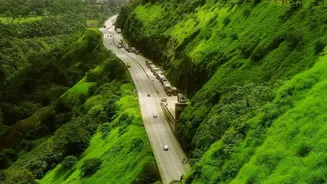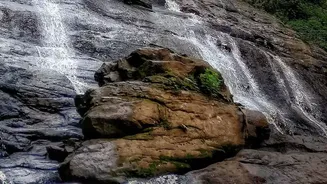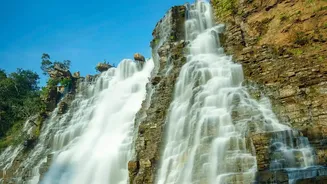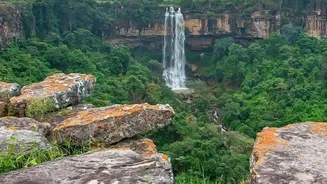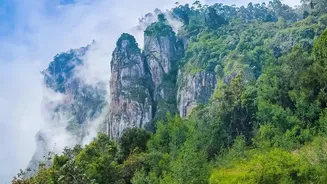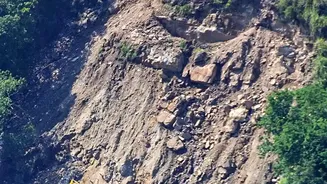




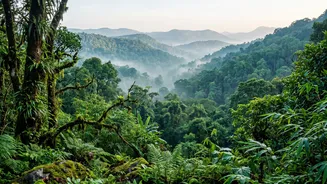

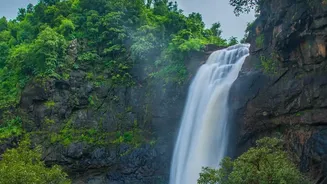
The monsoons have retreated, leaving Karnataka's Western Ghats lush and inviting. But this beauty hides a risk: landslides on its winding ghat roads. Here’s what you need to know to travel safely this season.
The Post-Monsoon Paradox: Beauty and Risk
The period immediately following the monsoon
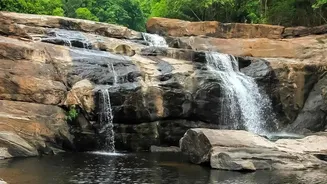
season is one of the most popular times to explore Karnataka's Malnad region. The landscape is a vibrant green, and waterfalls are in full flow. However, this is also a time of heightened geological instability. Months of heavy rainfall saturate the soil on the steep slopes of the Western Ghats. Even after the rains subside, the soil remains heavy and waterlogged, making it prone to giving way. Alternating periods of wet and dry weather can further destabilize the terrain, increasing the likelihood of sudden landslips. This makes navigating the ghat sections a task that requires caution and preparation.
Key Ghat Routes Requiring Caution
Several major highways connecting the coast with the hinterland pass through these vulnerable zones. Based on past events and official reports, travellers should be particularly cautious on these routes:
Shiradi Ghat (NH-75): Connecting Mangaluru and Bengaluru, this is one of the most critical and notoriously landslide-prone routes. Heavy traffic, steep gradients, and incomplete retaining wall work in some sections contribute to the risk. Major landslides have caused multi-day closures in the past.
Charmadi Ghat (NH-73): Known for its 12 hairpin bends and narrow roads, this stretch connecting Chikkamagaluru with Dakshina Kannada is extremely scenic but equally treacherous. It receives immense rainfall and is often shrouded in dense fog, severely reducing visibility. Authorities frequently restrict the movement of heavy vehicles here during and after the monsoon.
Agumbe Ghat (NH-169A): Famous as the 'Cherrapunji of the South', Agumbe's dense rainforest landscape also comes with risks. The route linking Shivamogga and Udupi districts is known for poor road conditions and fog, making it hazardous during this period.
Sampaje Ghat (NH-275): This route connecting Mysuru and Madikeri to Mangaluru has also experienced landslides, leading to traffic disruptions.
Stay Updated with Official Information
Before starting your journey, and even during, it is crucial to check for the latest advisories from official sources. The Karnataka State Natural Disaster Monitoring Centre (KSNDMC) is the primary agency for monitoring weather and geological events in the state. They provide near real-time data on rainfall and issue alerts. Local district administration offices in Hassan, Chikkamagaluru, Kodagu, and Dakshina Kannada also issue specific orders regarding road closures, traffic diversions, and restrictions on tourist activities like trekking near waterfalls. These advisories are based on current ground conditions and weather forecasts from the India Meteorological Department (IMD).
Your Pre-Travel Safety Checklist
A little preparation can make all the difference. Before you head out, run through this checklist:
Vehicle Health: Ensure your car is fully serviced. Pay special attention to brakes, tyres (including the spare), and lights. Make sure your fog lamps are working.
Emergency Kit: Pack a basic first aid kit, a torch, a hammer to break glass if needed, a tow cable, and a portable tyre inflator.
Plan Your Drive: Avoid driving on ghat roads after sunset. Visibility drops, and responding to a sudden hazard becomes much harder. Plan your travel to cross these sections during daylight hours.
Stay Connected (and Disconnected): While a GPS is essential, download offline maps for your route, as mobile connectivity can be non_existent in remote patches. Inform family or friends of your travel itinerary.
Check the Weather: Look up the forecast not just for your destination but for the entire route. A sunny day in Bengaluru doesn't mean the ghats are clear.
On_the_Road Best Practices
Driving on ghat roads requires a different mindset. Remember to:
Go Slow and Steady : Do not rush . Honk politely at blind curves and hairpin bends to alert oncoming traffic.
Maintain Your Lane : Never cut corners , especially at hairpin bends . Large vehicles like buses and trucks need extra space to turn.
Uphill Has Right of Way : Always give way to vehicles coming uphill , as they lose momentum if they stop.
Braking and Gear Control : Use engine braking by shifting to a lower gear while driving downhill to avoid overheating your brakes . Do not coast in neutral.
Watch for Warning Signs : Be alert for signs of a potential landslide , such as cracks on the road , water seeping from new places on the slope , or tilted trees . If you see any of these , do not stop . Leave the area as quickly and safely as possible.