





The Case for Running: Efficiency and Solitude
Running is a powerhouse of cardiovascular exercise. It's renowned for its efficiency in burning calories and improving heart and lung health. A 30-minute run can burn significantly more calories than a general dance session of the same duration. This
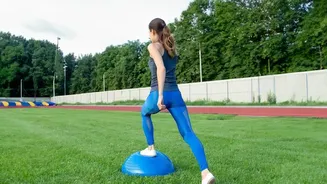
makes it a go-to for those with time-sensitive fitness goals. The appeal of running often lies in its simplicity and accessibility; all you need is a pair of supportive shoes and an open road. For many, it's a meditative practice—a chance to clear the head, process thoughts, and enjoy solitude. The repetitive, rhythmic nature of running can be a powerful tool for stress reduction. Furthermore, the clear, measurable goals—running a faster kilometre, completing a 5K, or training for a marathon—provide a strong sense of accomplishment and a structured path for progression that keeps many participants motivated for the long haul.
The Case for Dancing: Fun and Full-Body Fitness
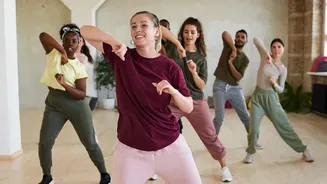
Dancing offers a workout that often doesn't feel like one. Its primary advantage is the enjoyment factor, which studies consistently show is a crucial predictor of whether someone will stick with an exercise program. Unlike the linear motion of running, dancing involves movement in all directions—side-to-side, rotational, and vertical—which engages a wider variety of muscles, including smaller stabilising muscles often missed by other workouts. This improves balance, coordination, and flexibility. While a gentle waltz won't match a sprint, higher-intensity styles like salsa, hip-hop, or even vigorous contemporary dance can burn calories at a rate comparable to jogging or cycling. Beyond the physical, dancing provides significant cognitive benefits by requiring you to learn steps, synchronise with music, and maintain spatial awareness, all of which keep your brain engaged.
Enjoyment and The Habit Factor
Why do so many people who start an exercise program drop out? A leading reason is a lack of enjoyment. This is where dancing has a distinct edge. Research highlights that the fun, social, and expressive nature of dance makes people more likely to form a lasting habit. One study on aerobic dance classes found that satisfaction with the music and the instructor were major contributors to exercise enjoyment. Running can also be enjoyable, producing the famed 'runner's high', but the initial stages can feel more like a chore. The motivation for running is often extrinsic (weight loss, race times), while for dancing, it's frequently intrinsic (the joy of movement). Ultimately, activities that feel less like work and more like play are easier to integrate into our lives permanently.
The Social Connection
Another key difference is the social dynamic. Running is typically a solo activity. While running clubs exist, the act itself is often one of introspection. This can be a major benefit for those seeking personal time. In contrast, many forms of dancing are inherently social. Partner dances and group classes foster a sense of community and connection, which can be a powerful motivator. Showing up for a class is not just about the workout; it's about seeing friends and sharing an experience. This social support system provides accountability and can make exercise something to look forward to rather than an obligation to be endured.
Injury Risk and Body Impact
Both activities carry a risk of injury, but the types of injuries differ. Running is a high-impact activity, and the repetitive stress on joints like the knees and ankles can lead to overuse injuries such as shin splints or plantar fasciitis. However, some research suggests that moderate running may actually be beneficial for knee health by reducing inflammation markers. Dancing is generally lower-impact, as movement is more varied and less vertically jarring. However, dancers are prone to their own set of overuse injuries in the foot, ankle, and lower back, often from repetitive movements or improper technique during long practice hours. Proper form, appropriate footwear, and adequate rest are crucial for injury prevention in both disciplines.