





From Visits to Habitation
For more than fifty years, human exploration of the Moon has been a story of brief, daring trips. The Apollo missions were groundbreaking sprints, but NASA's new vision is a marathon. The Artemis program aims to establish a long-term, sustainable human presence
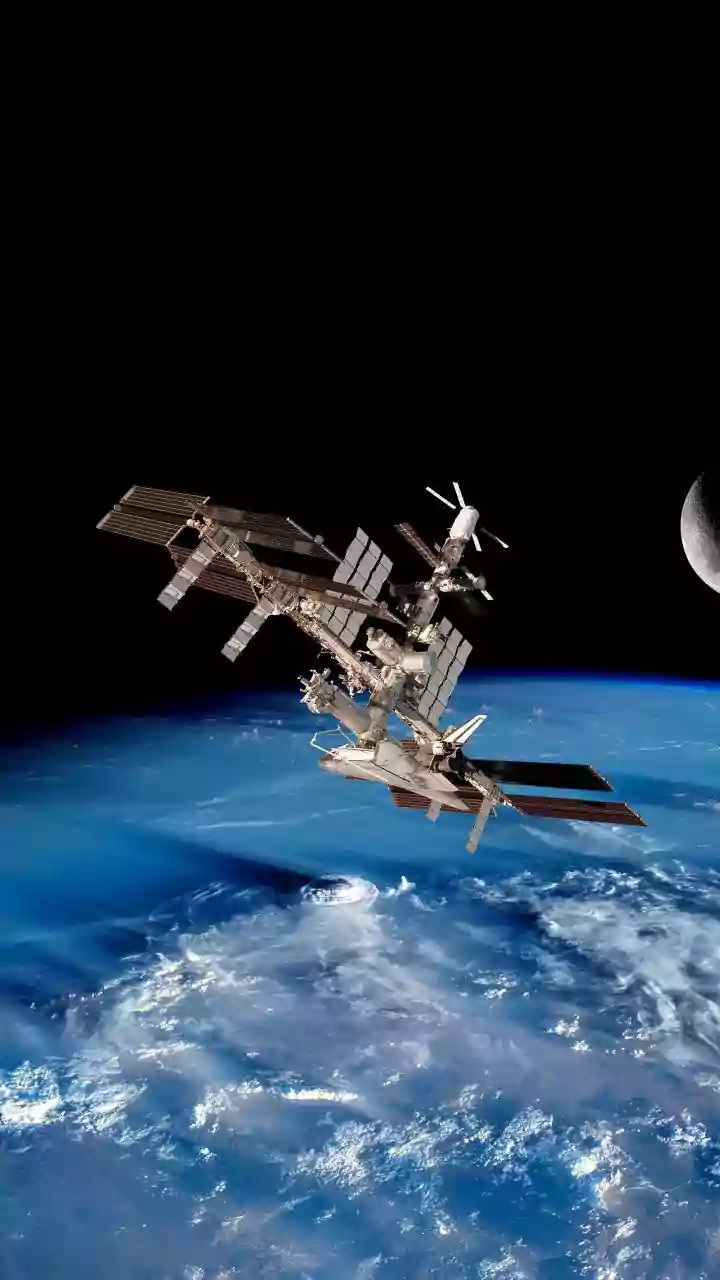
on the Moon, a fundamental shift from the short stays of the past. This isn't just about returning; it's about settling in. The goal is to create a permanent outpost where astronauts can live and work for extended periods, similar to how they operate on the International Space Station. This sustained presence is seen as a crucial next step, transforming the Moon from a destination for short-term visits into a hub for science and a proving ground for future deep-space missions, most notably to Mars.
The Artemis Base Camp Blueprint
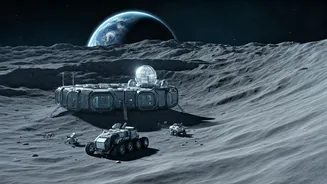
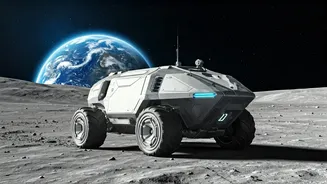
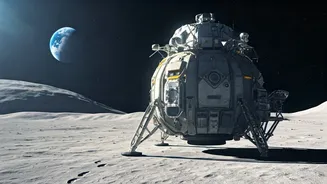
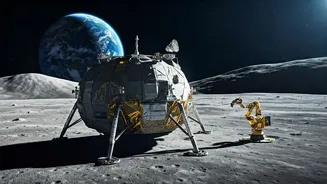
The heart of this ambitious plan is the Artemis Base Camp, envisioned as humanity's first lunar outpost. NASA plans to construct this base in phases near the Moon's South Pole. The initial infrastructure will be delivered through a series of robotic and, eventually, crewed missions. The base camp concept includes several key elements: a foundational surface habitat that can house up to four astronauts, a modern unpressurised rover (the Lunar Terrain Vehicle or LTV) for exploring the surrounding area, and a pressurised 'habitable mobility platform'—essentially a high-tech lunar RV that would allow for long-duration science trips far from the base. The plan is to start with missions lasting a week or two and gradually build up the capability to support crews for up to two months at a time.
Why the Lunar South Pole?
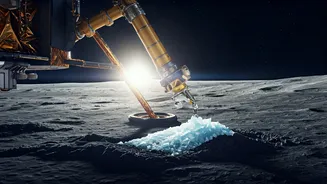
The choice of location is strategic. The Moon's South Pole is a region of stark contrasts and immense opportunity. It has peaks that are bathed in near-constant sunlight, which is ideal for generating solar power to run the base. Just a short distance away lie permanently shadowed craters, some of the coldest places in our solar system, which are believed to hold vast quantities of water ice. This ice is the ultimate prize. If it can be accessed and processed, it could provide drinking water, breathable air, and, critically, the components for rocket fuel. Mastering this process of 'in-situ resource utilization' (ISRU) would make long-term settlement far more feasible, reducing the dependence on expensive supply missions from Earth.
A Global Effort with Indian Partnership
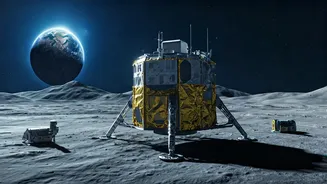
NASA is not going to the Moon alone. The Artemis program is a massive international collaboration, built on a framework known as the Artemis Accords. These accords lay out principles for peaceful and cooperative exploration. India became a signatory in 2023, joining a growing list of nations committed to this shared vision. This partnership aligns with India's own impressive space ambitions and successes with its Chandrayaan program. For India, signing the accords opens doors for deeper collaboration with NASA, including a planned joint mission to the International Space Station and opportunities for the Indian Space Research Organisation (ISRO) and Indian private companies to contribute to the burgeoning lunar economy. The plan relies heavily on a mix of government and commercial enterprise, with companies like SpaceX and Blue Origin developing the landers that will take astronauts to the surface.