





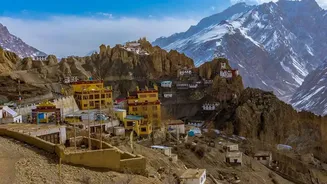
The Celestial Theatre of Spiti
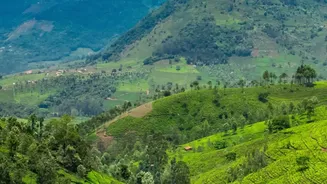
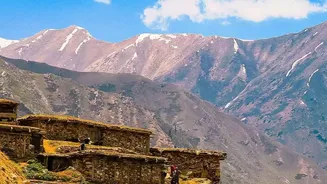
Perched at an astonishing 14,500 feet, the village of Langza in Spiti Valley has long been known for its dramatic landscapes and ancient marine fossils. But as dusk settles over its magnificent Buddha statue, the village reveals its most breathtaking
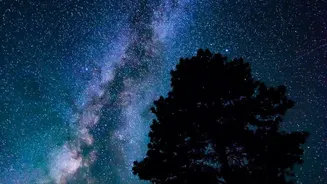
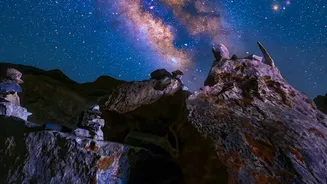
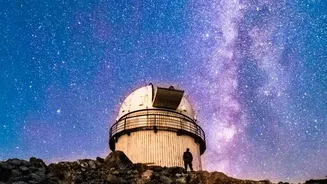
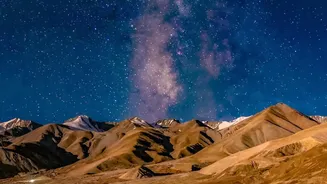
spectacle: a pristine, star-dusted sky. Here, the Milky Way isn't a faint smudge but a brilliant, textured band of light bright enough to cast shadows on the ground. With near-zero light pollution and the thin, dry air of a cold desert, Spiti offers a high-definition window into the cosmos. This natural asset is now at the heart of a burgeoning astrotourism movement, offering an alternative to the commercialized chaos of more traditional tourist destinations.
Harnessing the Power of Darkness
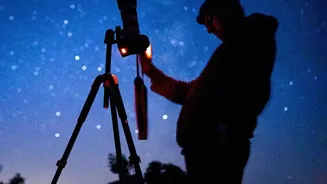
The term 'Dark-Sky Reserve' isn't just a poetic description; it signifies a formal commitment to protecting the night from light pollution. While Spiti has been identified as a potential Dark Sky Reserve by international bodies, the current push is a grassroots and government-supported effort to build a sustainable tourism model. In July 2025, the Himachal Pradesh government officially launched a stargazing facility in Kaza, the sub-divisional headquarters of Spiti. This initiative, spearheaded by the Himachal Pradesh Council for Science, Technology & Environment (HIMCOSTE), aims to empower local communities by turning their pristine skies into an economic asset. The government is actively distributing high-end computerized telescopes to residents in villages like Langza, Kaza, and Rangrik, and providing them with the necessary training to become astro-guides.
A Community-Centric Cosmos
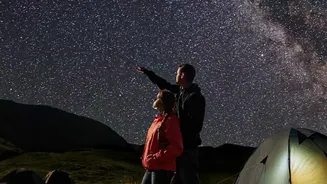
This isn't a top-down corporate venture; it's a movement built around community entrepreneurship. The goal is to integrate this new form of tourism directly into the local economy. Homestay owners and local youth are being encouraged to participate, offering guided stargazing sessions to visitors. This approach ensures that the revenue generated stays within the community, providing a sustainable livelihood that also helps preserve the region's unique culture and environment. By making locals the stewards of their nocturnal heritage, the model fosters a sense of pride and ownership. Travellers get more than just a view of the stars; they get a holistic experience rooted in local culture, from folklore to regional cuisine, guided by the people who call this stunning landscape home.
A Conscious Shift Away From the Crowds
The rise of astrotourism in places like Langza represents a significant pivot in Himachal's tourism landscape. For years, the state's popular destinations have grappled with the pressures of over-tourism—strained infrastructure, environmental degradation, and a diluted visitor experience. The quiet, low-impact nature of astrotourism offers a compelling alternative. It draws a different kind of traveller: one who seeks silence, natural beauty, and meaningful connection over mass-market entertainment. This shift is intentional, with the state government actively promoting border tourism and eco-tourism alongside astrotourism to decentralize tourist flow and create opportunities in remote areas. The success in Spiti could pave the way for other high-altitude areas in Himachal, like parts of Kinnaur, Lahaul, and even higher reaches near Manali, to develop similar sustainable models.
The Bright Future of Dark Skies
While the potential is immense, the road ahead requires careful navigation. The primary challenge is to ensure that development doesn't ironically lead to the very light pollution that would destroy the core attraction. Maintaining the delicate balance between accessibility and preservation is key. Infrastructure must be developed thoughtfully, and the principles of eco-tourism must remain at the forefront. If managed correctly, the astrotourism initiative in Langza and the wider Spiti Valley can become a blueprint for sustainable development in remote regions across the Himalayas. It demonstrates that a region's most valuable asset isn't always something that can be built, but something that can be preserved—the profound, awe-inspiring darkness of the night sky.