


The Land Where Clouds Come to Rest
Forget the sun-scorched deserts and bustling cities often associated with Indian travel. Tucked away in the country's northeast, the state of Meghalaya—which translates to "the abode of clouds"—is a world apart. This verdant, hilly landscape is home to the Khasi,
Jaintia, and Garo tribes, and it boasts some of the highest rainfall on the planet. For travelers seeking a different kind of paradise, one defined by mist, mystery, and overwhelming greenery, this is it. While many tourists flock to India for sun, Meghalaya offers an immersive escape into a subtropical forest ecosystem that feels ancient and untouched, making it a true 'hidden' gem for most American visitors.
Embrace the Monsoon Magic
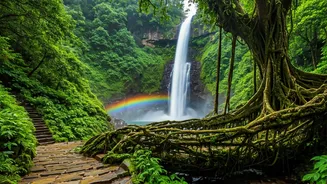
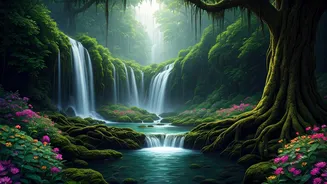
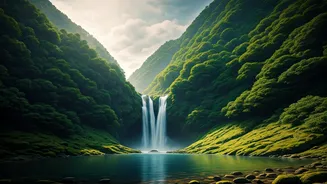
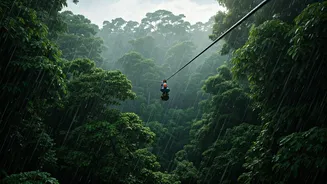
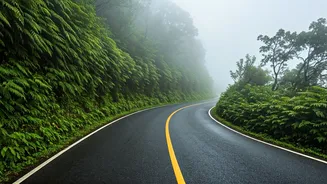
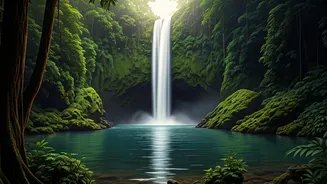
Most travel guides tell you to avoid the monsoon season. In Meghalaya, that's like being told to skip the cheese in a deep-dish pizza—you'd be missing the very essence of the place. From June to September, the region comes alive. The rain isn't a constant, dreary downpour; it's a dynamic force of nature that transforms the landscape into an emerald spectacle. Waterfalls that are mere trickles in the dry season become roaring torrents of white water. The forests become so lush they seem to vibrate with life, and the air is filled with the clean, earthy scent of petrichor. The dramatic, swirling mists create a romantic and contemplative atmosphere that feels a million miles away from the stresses of modern life. Visiting during the monsoon is choosing to see Meghalaya at its most powerful and beautiful.
Wonders Carved by Nature and Man
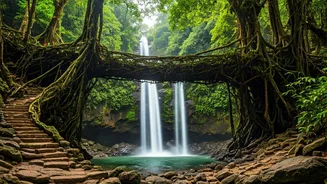
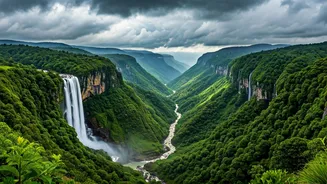
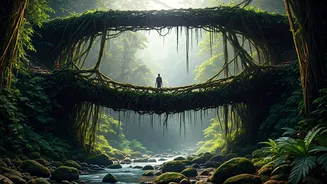
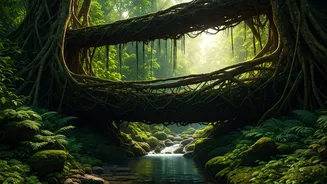
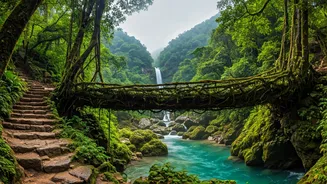
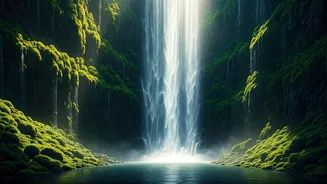
Meghalaya's beauty isn't just in its atmosphere; it's in its astonishing landmarks. The most famous are the living root bridges, a triumph of bio-engineering created by the Khasi people. Over generations, they have guided the aerial roots of rubber fig trees across rivers, weaving them into sturdy, living structures. The Double Decker Root Bridge in Nongriat is the star attraction, requiring a multi-hour trek that's as rewarding as the destination itself. Beyond the bridges, the state is a chaser's dream. Nohkalikai Falls, one of the tallest plunge waterfalls in India, drops dramatically from a verdant cliffside. Nearby, the Seven Sisters Falls cascade side-by-side down a limestone cliff. For a different kind of exploration, the Mawsmai Cave offers a safe and accessible glimpse into the region's vast network of underground river systems.
A Glimpse into Khasi Culture
A trip to Meghalaya is also an encounter with the fascinating Khasi people, one of the few matrilineal societies in the world. Here, lineage and inheritance are passed down through women, and the youngest daughter of the family is traditionally the custodian of ancestral property. This unique cultural fabric shapes the warm and respectful atmosphere of the region's villages. You'll see it in the bustling markets of Shillong, the state capital, where women run a majority of the stalls, and in the quiet confidence of the locals you meet in rural homestays. Don't miss the chance to try local Khasi cuisine, which features distinctive flavors like Jadoh (a savory rice and meat dish) and tangy sauces made from fermented soybeans.
Planning Your Trip to the Clouds
Getting to this remote paradise is part of the adventure. The most common route for international travelers is to fly into Lokpriya Gopinath Bordoloi International Airport (GAU) in Guwahati, Assam. From there, it's a scenic 3- to 4-hour drive to Shillong, Meghalaya's charming capital. Taxis are readily available at the airport. For accommodations, you can choose from colonial-era hotels in Shillong, cozy guesthouses in Cherrapunji (Sohra), or immersive village homestays near the living root bridges. As for packing, think practical: a reliable raincoat is non-negotiable, along with waterproof hiking shoes with excellent grip. Pack quick-drying clothes and a waterproof bag for your electronics. Embrace the fact that you will get wet, and you'll be ready for an unforgettable journey.