


The Many Faces of Sambar
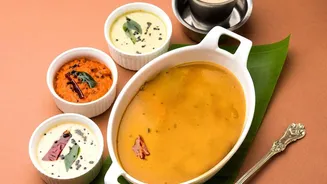
For many, sambar is a familiar, comforting lentil and vegetable stew served alongside breakfast staples. But in the heart of Tamil Nadu, it is a complex culinary category, not a single recipe. Each region, and sometimes each family, has its own version,
dictated by local produce and tradition. The most common base includes toor dal (pigeon pea lentils), tamarind for sourness, and a unique spice blend. However, the variations are where the magic lies. From the everyday tiffin sambar, often thinner and simpler, to more elaborate versions, the spectrum is vast. The famous 'Arachuvitta' sambar, for example, gets its distinct, rich aroma from a freshly ground paste of roasted coconut and spices like coriander, cumin, and fenugreek. This version is often reserved for festive occasions, its richer body and complex flavour profile making it a celebratory dish.
A Medley of Vegetables and Spices
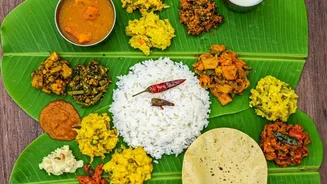
Another delightful variation is the 'Kadamba' sambar, which translates to 'mixture' or 'medley'. True to its name, this is a celebration of vegetables, often featuring a dozen or more seasonal varieties like drumstick, pumpkin, brinjal, carrots, and beans all in one pot. It's a testament to the agricultural abundance of the region, transforming a simple lentil stew into a hearty, nutritious meal in itself. Then there are versions distinguished by their core ingredient, like the pungent, peppery 'Milagu' sambar or those made specifically by certain communities, each with a subtle but significant twist in the spice blend or preparation method. While one legend traces sambar's origins to the Maratha rulers of Thanjavur in the 17th century, many food historians argue that similar lentil-and-tamarind stews existed in South India long before.
Beyond Coconut: The World of Thogayal
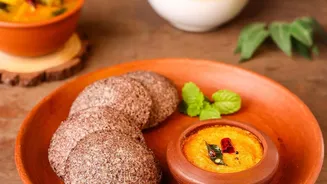
Just as sambar is more than one dish, chutney is more than the familiar coconut or tomato accompaniment. The Tamil countryside is home to 'thogayal' or 'thuvaiyal', a category of thick, coarse chutneys designed to be mixed with hot rice and a dash of sesame oil or ghee. These are heritage recipes, often born from a need for thrift and an intimate knowledge of local flora. Unlike their milder counterparts, thogayals are robust, concentrated pastes that pack a punch. They showcase the Tamil culinary principle of 'Arusuvai'—the balance of six tastes: sweet, sour, salty, bitter, pungent, and astringent.
Heritage in Every Bite
Many thogayals feature ingredients that are often overlooked. 'Paruppu thogayal' is a classic example, made from roasted lentils (like toor dal) and red chillies, offering a simple, protein-rich accompaniment when fresh vegetables were scarce. Another fascinating variety is 'Pirandai' thogayal, made from the veld grape stem, which is known for its medicinal properties, particularly in aiding digestion. Similarly, 'Pudina' (mint) thogayal and 'Kothamalli' (coriander) thogayal are not just flavourful but also harness the natural cooling and digestive benefits of the herbs. These recipes are a direct link to a time when food was intrinsically tied to wellness, using every part of a plant and understanding its properties.