


First, What Is Biophilic Design?
It sounds complex, but the concept is simple: humans have an innate tendency to seek connections with nature. Biophilic design is the practice of bringing elements of the natural world into our indoor spaces. This goes beyond just putting a ficus in the corner.
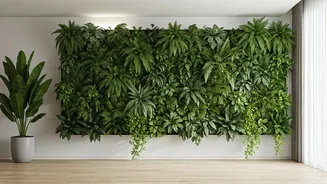
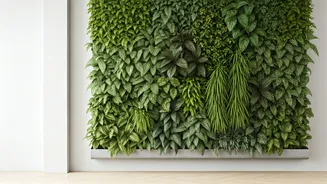
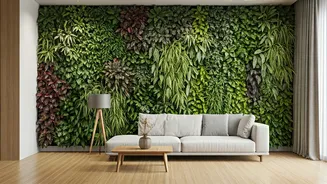
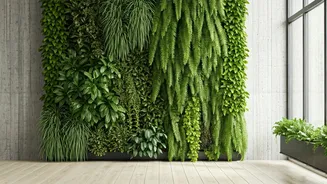
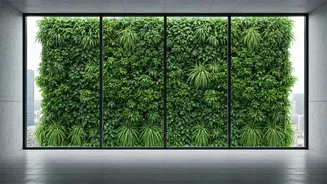
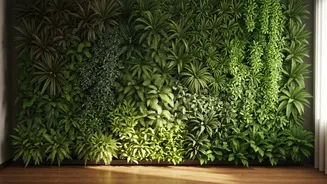
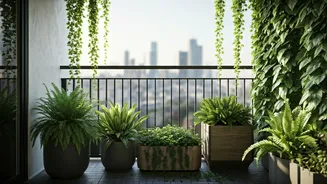
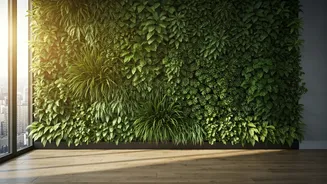
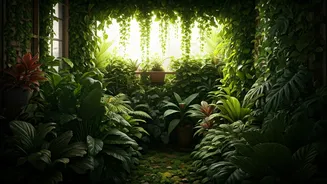
We're talking about textures, patterns, natural light, and—most strikingly—vertical gardens. Also known as living walls, these are lush panels of vegetation grown vertically on an interior wall, turning a bland surface into a piece of living, breathing art.
Benefit 1: A Natural Mood Booster
The primary benefit of a green wall is its profound impact on your well-being. Studies have consistently shown that exposure to nature, even indoors, can reduce stress, lower blood pressure, and improve focus. In the concrete jungle of city living, having a slice of the Amazon rainforest in your living room can be a powerful antidote to daily anxiety. It provides a focal point for 'soft fascination,' a state where your mind can wander and recharge without being overstimulated, unlike a television screen.
Benefit 2: A Smart Use of Space
In an apartment, every square foot counts. While you might not have floor space for a dozen potted plants, you almost certainly have an empty wall. A vertical garden is the ultimate space-saving solution for plant lovers. It allows you to cultivate a dense, diverse collection of greenery without cluttering your floor or windowsills. It's a high-impact design choice that maximizes your home’s aesthetic appeal while maintaining a practical, open layout.
Option 1: The DIY Pocket Wall (Renter-Friendly)
For those on a budget or in a rental, the felt pocket planter is the perfect entry point. These are large fabric panels, often made from recycled materials, with multiple pockets for holding individual plants. You can hang one from a sturdy, wall-safe hook and fill the pockets with soil and your chosen plants. They are lightweight, affordable, and easy to remove. The key is choosing a spot with adequate light and being diligent with watering, as the pockets can dry out quickly. This method gives you the green wall effect with minimal commitment.
Option 2: Modular Grid Systems
A step up from pocket planters, modular systems consist of interlocking panels or a grid frame where you can clip in individual pots. This approach offers more structure and design flexibility. You can start small and expand your wall over time, or create interesting geometric patterns. Some systems come with built-in irrigation trays to simplify watering. While they require more assembly, modular grids provide a polished, professional look and make it easy to swap out plants if one isn't thriving.
Option 3: The Freestanding Green Wall
If you can't or don't want to drill into your walls, a freestanding vertical garden is your best bet. These come in various forms, from multi-tiered plant stands that mimic a wall's height to self-contained units with their own lighting and watering systems. They function as both a garden and a room divider, allowing you to create zones in an open-plan apartment. While they take up some floor space, they offer all the benefits of a wall-mounted garden with zero installation hassle.
Choosing the Right Plants
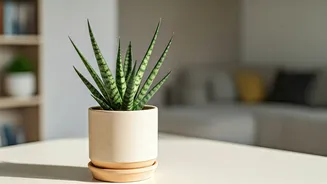
The success of your green wall depends on selecting the right plants for your environment. For most indoor setups with indirect light, you can't go wrong with Pothos, Philodendrons, and Spider Plants. They are famously resilient, tolerate a range of conditions, and have a beautiful trailing habit that helps cover the structure. For lower-light areas, try Snake Plants or ZZ Plants, though they grow more slowly. If you're using succulents or herbs, ensure they get several hours of direct sunlight. Always group plants with similar light and water needs together.