




The Peel's Hidden Power
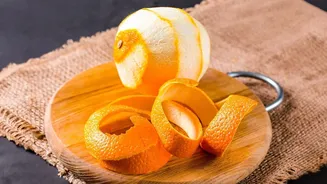
Before you enjoy a juicy orange, consider its protective outer layer. The peel, often discarded, is a treasure trove of nutrients. In fact, it contains significantly higher concentrations of certain compounds than the fruit's flesh. It is densely packed
with dietary fiber, vitamin C, and a host of beneficial plant compounds known as polyphenols and flavonoids. Just one tablespoon of orange peel can provide a surprising amount of your daily vitamin C needs and about four times more fiber than the pulp. This concentration of nutrients is why a growing number of health-conscious and eco-minded individuals are rethinking the peel's journey from the fruit to the compost bin.
Fiber's Crucial Role for Your Gut
The standout benefit of orange rinds for gut health lies in their impressive fiber content. The peel is particularly rich in soluble fiber like pectin. This type of fiber acts as a prebiotic, which is essentially food for the beneficial bacteria living in your gut. A well-fed and diverse gut microbiome is crucial for overall health. These good bacteria ferment the pectin, producing short-chain fatty acids that help maintain the integrity of your intestinal lining, reduce inflammation, and support your immune system. By promoting regular bowel movements and a healthy gut environment, the fiber in orange peels can help alleviate common digestive issues and contribute to long-term wellness.
More Than Just Fiber
Beyond fiber, orange peels boast potent flavonoids like hesperidin and naringenin. These compounds are powerful antioxidants with anti-inflammatory properties. Research suggests hesperidin, found in high concentrations in the peel, can support heart health by helping to manage blood pressure and cholesterol. These polyphenols may also help protect against chronic conditions by combating cellular damage and reducing inflammation throughout the body. While the flesh of the orange is healthy, the peel offers a unique and concentrated dose of these protective plant compounds, making it a valuable addition to a balanced diet.
A Note on Safety and Preparation
Before you start adding orange peels to every meal, it is crucial to consider safety. Conventionally grown oranges are often treated with pesticides, and residues can be higher on the peel than in the fruit. To minimize exposure, opt for organic, unwaxed oranges whenever possible. Regardless of the source, always wash your oranges thoroughly under running water, using a vegetable brush to scrub the surface. The peel can also be bitter and tough, making it difficult to digest if eaten in large, raw pieces. The key is to prepare it properly to make it both palatable and easy on your digestive system.
From Kitchen Scrap to Star Ingredient
Integrating orange peel into your diet is easier than you might think. The simplest method is to use a zester or fine grater to add fresh zest to salads, yogurt, marinades, and baked goods. This adds a bright, citrusy flavour along with a nutrient boost. You can also dry the peels and grind them into a powder. This powder can be stored in an airtight container and used to season dishes or be brewed into a fragrant tea. For a sweeter option, you can candy the peels by simmering them in a sugar solution. These candied peels make a delicious treat on their own or a gourmet garnish for desserts.