




The Allure and the Alarm
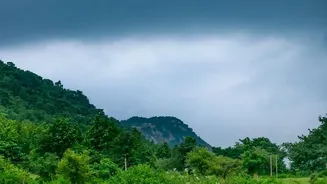
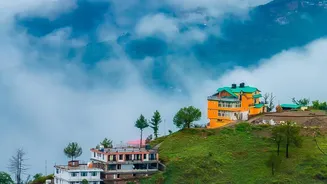
Monsoon transforms India’s hill stations into verdant paradises. The air is fresh, the crowds are thinner, and hotel prices are often lower. However, this serene picture can be deceptive. The same rains that bring the hills to life also saturate the soil,
leading to significant dangers like landslides, flash floods, and blocked roads. The key to enjoying a monsoon getaway isn't to avoid the hills altogether, but to travel with awareness, respect for nature's power, and the knowledge to act when conditions shift. A dream vacation can quickly become a travel nightmare if you are not prepared for the region's volatile weather patterns.
Decode Official Weather Warnings
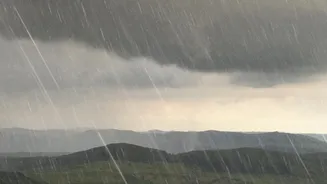
Your first and most reliable source of information is the India Meteorological Department (IMD). The IMD uses a colour-coded system to issue warnings, which are crucial for planning. A 'Green' alert means no warning. A 'Yellow' alert advises you to 'Be Aware', as conditions could worsen. An 'Orange' alert means 'Be Prepared' for potentially disruptive weather like heavy rainfall that could impact transport. A 'Red' alert, the highest level, means 'Take Action' due to a forecast of extremely severe weather that poses a threat to life and property. Before and during your trip, check the IMD website or app for district-specific alerts, not just state-level forecasts. Avoid travel to areas under an orange or red alert.
Read the Signs on the Ground
Beyond official forecasts, nature provides its own warning signs. Being observant can make a critical difference. For landslides, look for new cracks appearing on slopes, roads, or in building foundations. Tilting trees, fences, or utility poles are another major red flag, indicating that the ground beneath is shifting. Unusual sounds, like a faint rumbling that grows louder or the sound of rocks knocking together, can signal moving debris. For flash floods, a sudden change in a stream or river's water is a key indicator. If the water suddenly increases or decreases in flow, or changes from clear to muddy and brown, it means there might be a surge of water coming from upstream. In such cases, move to higher ground immediately, even if it isn't raining where you are.
Tips for Driving on Hill Roads
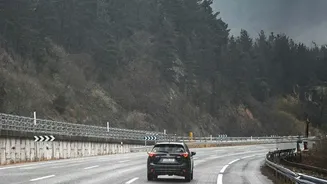
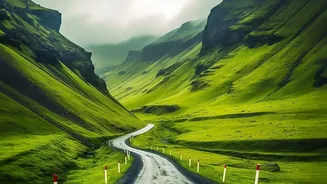
Driving in the mountains during the rains requires extreme caution. Before you even start, get your vehicle serviced, paying special attention to tyres, brakes, and wipers. On the road, drive slowly, maintain a greater distance from the vehicle ahead, and avoid sudden braking. Never attempt to drive through waterlogged areas or cross flooded bridges, as the road beneath could be washed away. It only takes a couple of feet of water to float a car. Avoid driving at night; poor visibility makes it difficult to spot fallen rocks or road damage. If you get stuck in a muddy patch, don't brake hard. Instead, try to steer straight and gently accelerate in a higher gear. Always stick to paved roads and resist the temptation to take an off-road shortcut, which can quickly become impassable.
Your Essential Monsoon Travel Kit
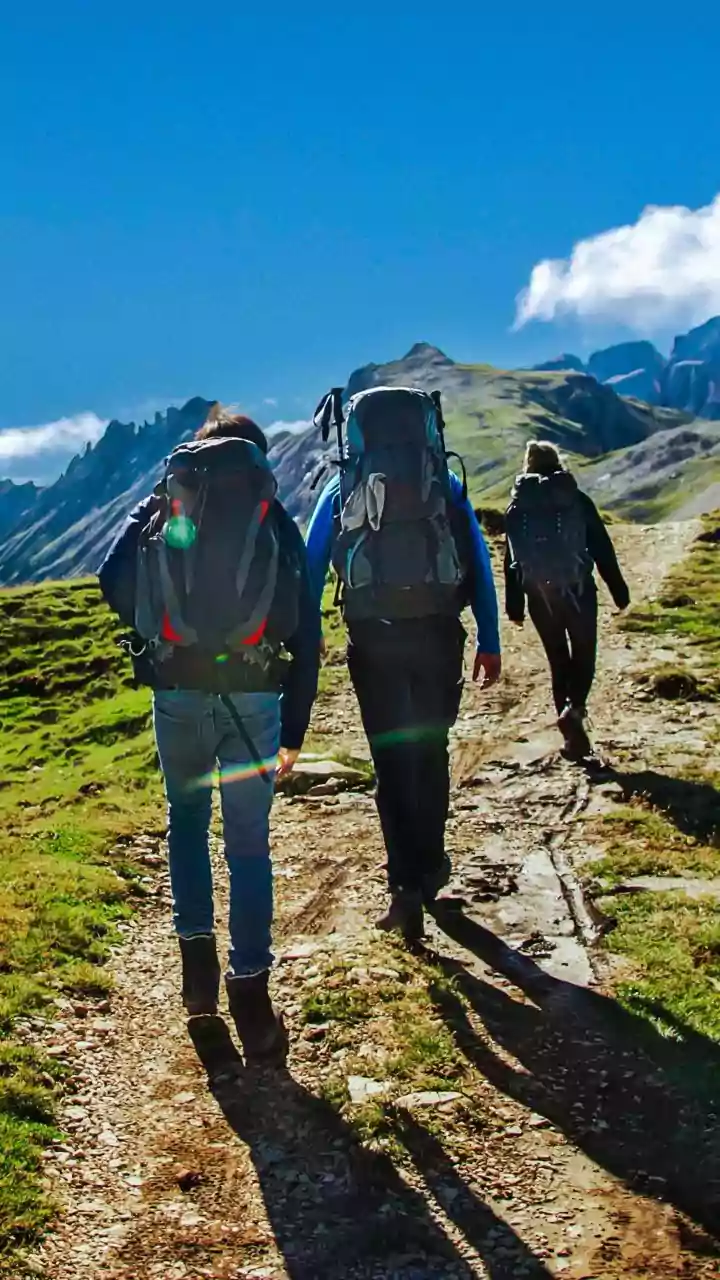
Packing smart can mitigate many monsoon travel woes. Your outer layer should be a reliable waterproof jacket or poncho, as umbrellas are often useless against strong hillside winds. Pack quick-drying clothes made from synthetic fabrics like polyester, as cotton stays damp for a long time. Sturdy, waterproof footwear with a good grip is non-negotiable for slippery paths. Your emergency kit should include a powerful torch or headlamp, a fully charged power bank, and a first-aid kit with antiseptic wipes, bandages, and any personal medications. Also carry some non-perishable snacks like biscuits or energy bars and a reusable water bottle. Keeping a separate dry bag for your electronics and an extra set of clothes is also a wise move.