





What Are Purpose Trips?
Forget frantic sightseeing. Purpose-driven travel is about intentional journeys that focus on personal growth, contributing to a community, or achieving a specific goal. This can take many forms: volunteering at an animal shelter, learning a new skill
like pottery or surfing, participating in an environmental clean-up drive, or checking into a wellness retreat for a week of yoga and digital detox. Unlike traditional tourism, the emphasis is less on consumption and more on connection—with oneself, with a community, or with nature. It’s about returning home with more than just souvenirs; it’s about bringing back a new perspective, a learned skill, or a sense of fulfillment.
A Shift in Generational Values
This trend is being driven by a fundamental shift in the priorities of India's Millennial and Gen Z travellers. This demographic increasingly views travel as an investment in personal identity and well-being. The desire for fun and adventure remains a top driver for travel, but it is now coupled with a quest for meaningful connections and authentic cultural experiences. For many, a trip is an opportunity to express their values. This includes a growing consciousness around sustainability, with many young travellers actively prioritising destinations and operators with strong environmental practices. Journeys are now seen as investments in making memories and achieving mindful indulgence rather than just passive breaks.
The Many Forms of Meaningful Travel
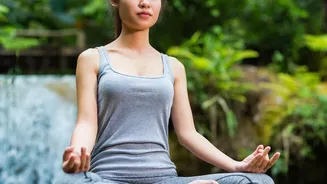
The beauty of purpose travel lies in its diversity. For some, it's about looking inward. Wellness tourism, in particular, is a fast-growing segment in India, with travellers seeking out yoga retreats, Ayurvedic treatments, and meditation centres to combat the stress of modern life. The market for wellness tourism in India is projected to grow significantly, indicating a mainstream shift towards health-focused holidays. For others, the purpose is external. Voluntourism offers the chance to engage with local communities and contribute to social causes, while skill-based trips allow travellers to learn a new language or traditional craft. Experience-led travel is also on the rise, where holidays are planned around specific events like music festivals or cultural workshops.
Post-Pandemic Acceleration
While the seeds of this trend were planted years ago, the pandemic acted as a powerful accelerator. The lockdowns and prolonged uncertainty led to a collective re-evaluation of what truly matters. Many travellers, having experienced 'revenge travel' to shake off lockdown fatigue, are now seeking more from their journeys. The post-pandemic era has seen a greater appreciation for travel and a desire not to take it for granted. There's a tangible shift from rushed itineraries to 'slow travel', where the goal is to absorb a place's rhythm rather than just see its sights. This includes a preference for shorter, more frequent trips that offer better pacing and a chance to genuinely recharge.
Redefining Luxury and Experience
Interestingly, this pursuit of purpose doesn't necessarily mean roughing it. For young Indians, the definition of luxury itself is evolving. It's less about five-star branding and more about personalised, exclusive, and emotionally resonant experiences. Many young travellers are willing to spend more on once-in-a-lifetime activities and unique moments. Luxury can mean a silent retreat in the Himalayas, a private cooking class with a local expert, or a guided trek through a pristine forest. The ultimate status symbol is no longer just a photo from a fancy resort, but a transformative experience that fosters personal growth and creates lasting memories.