




Know Your Enemy: The Threats to Your Treasures
Before you can protect your valuables, you must understand what you are protecting them from. For paper, photographs, and textiles, the biggest threats are environmental. High humidity, especially prevalent during India's monsoon season, is a primary
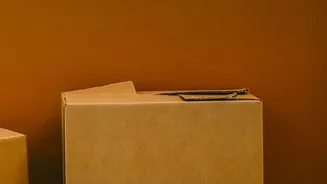
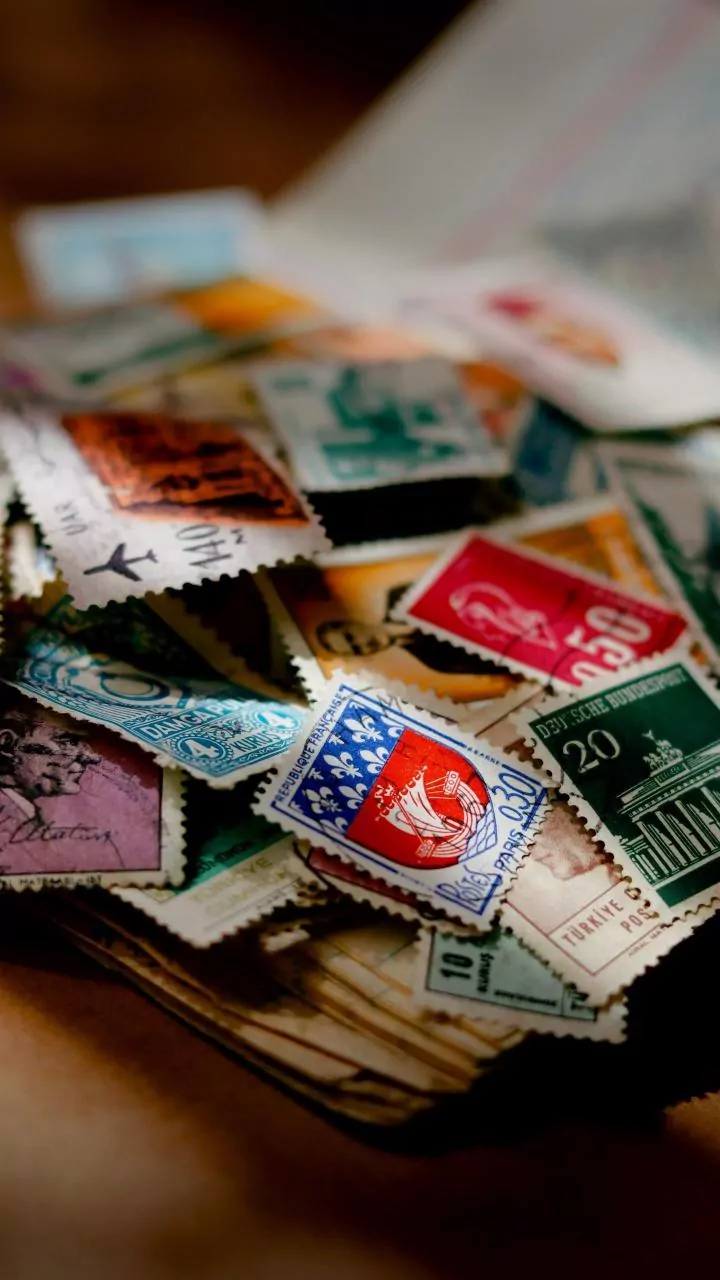
culprit, leading to mould, mildew, and causing ink to run. Paper is hygroscopic, meaning it absorbs and releases moisture from the air, causing it to warp and degrade. Extreme heat and fluctuating temperatures accelerate this chemical decay. Pests like silverfish and cockroaches are drawn to the cellulose in paper and cardboard, using your memories as a meal. Finally, light, both natural and artificial, can cause fading and brittleness. Even the containers you use can be a threat; standard cardboard boxes contain acids that yellow and destroy paper over time.
Choose Your Armour: Selecting the Right Materials
The foundation of safe storage is using the right materials. Look for products labelled "archival-quality." This means they are both acid-free and lignin-free. Lignin is a natural compound in wood pulp that breaks down and releases acid, causing paper to become yellow and brittle. While many products are marketed as acid-free, true archival quality ensures the lignin is also removed for maximum longevity. For loose papers and photos, use folders and sleeves made from inert plastics like polyester or polypropylene. These materials provide a protective barrier without reacting chemically with the items inside. For boxing everything up, choose acid-free board boxes or sturdy plastic bins with tight-fitting lids, which offer superior protection against moisture and pests.
Location, Location, Location: Finding a Safe Spot
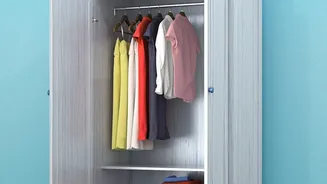
Where you store your archives is just as important as what you store them in. Avoid attics, basements, and garages at all costs. These areas suffer from the most extreme fluctuations in temperature and humidity and are prone to leaks and pests. The ideal storage location is an interior room or closet on the main floor of your home, where conditions are most stable. Aim for a cool, dry, and dark environment. Preservation experts recommend a stable temperature below 22°C and relative humidity below 60% to prevent mould and insect activity. Keeping the boxes off the floor on shelves or pallets provides crucial protection against potential water damage from minor leaks or flooding.
Organise for the Future: Accessibility is Key
An archive is useless if you cannot find what you need. Before packing items away, take the time to organise them logically. Group similar documents together—financial records, legal papers, family photographs—and label each box and folder clearly. Creating a simple inventory list or digital spreadsheet of what is in each box can save you hours of searching later. When filling boxes, don't overstuff them, as this can cause creasing and damage. For particularly fragile or valuable items, consider using individual sleeves to prevent them from rubbing against each other. This systematic approach not only protects your items but ensures that you or future generations can easily access your family's history.
Special Care for Photos and Digital Memories
Photographs and digital media require special handling. For printed photos, always use materials that have passed the Photographic Activity Test (PAT), which ensures they are chemically safe for long-term storage. Avoid using rubber bands, paper clips, or glue, which can cause permanent damage. For an extra layer of security, digitise your most important photos and documents. Scan them and save copies to both a physical hard drive and a secure cloud storage service. Old hard drives, CDs, and DVDs also degrade over time. Periodically migrate this data to newer formats to ensure it remains accessible for years to come.