

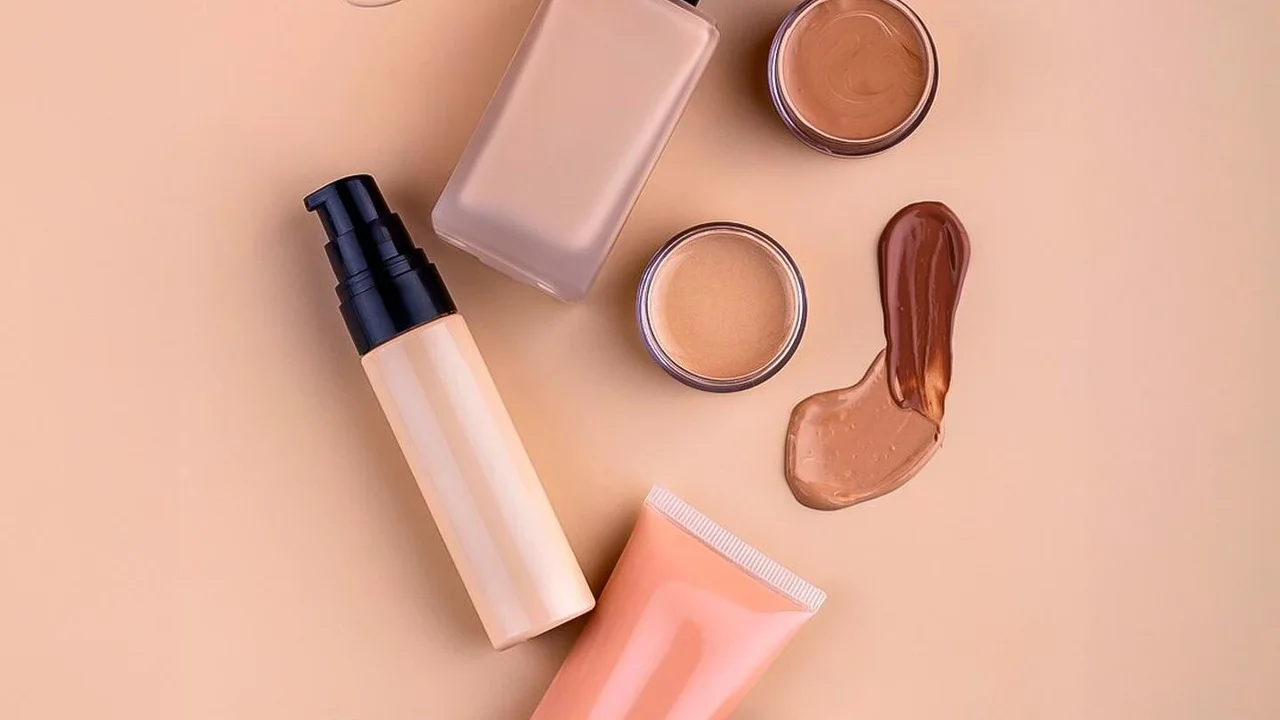
The Age-Old Foundation Frustration
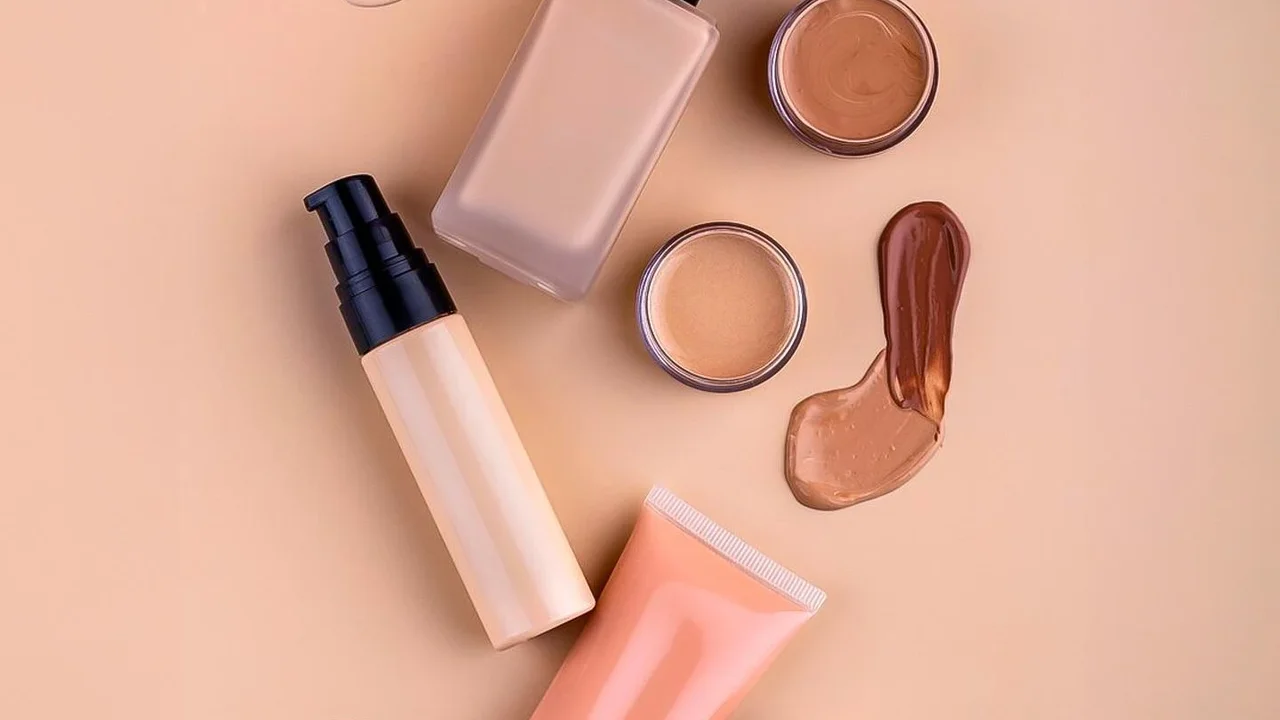
Finding the perfect foundation shade has long been one of the most challenging parts of buying makeup. It’s an expensive and time-consuming process of trial and error. According to some industry estimates, the average woman may buy the wrong shade up to seven
times before finding the right one. The problems are universal: drugstore lighting that warps colours, the difficulty of matching a shade on your jawline to your whole face, and the mysterious way some formulas change colour, or oxidise, after they've been on your skin for an hour. Add in the complexity of understanding your own skin’s undertones—whether you lean warm, cool, or neutral—and the task becomes even more daunting.
How AI Enters the Picture
This is where artificial intelligence comes in. Beauty tech companies are now using sophisticated AI algorithms to do what our eyes can’t always do: accurately analyse skin tone and recommend a precise match. These tools work in a few different ways. Some, like those from Perfect Corp and Arbelle, use your phone’s camera to perform a real-time scan of your skin. By taking a selfie or using a live video feed, the AI analyses thousands of pixels in the image to determine your exact skin tone and, crucially, your undertone. It then cross-references this data with a massive database of foundation products to find your ideal match. Other popular tools, like Il Makiage's PowerMatch quiz, use a combination of machine learning and user-provided information to find a shade, asking questions about your skin habits and tanning patterns. The algorithm then compares your answers to millions of data points from other users to predict your perfect match with high accuracy.
The Virtual Try-On Revolution
Several major beauty players have been pioneers in this space. Sephora, in partnership with colour experts at Pantone, introduced its Color iQ service years ago, an in-store device that scans your skin to assign a specific shade number. This system has since evolved, using new AI technology to become even more inclusive and accurate for a wider range of skin tones, especially underserved BIPOC complexions. Digitally native brands have also built their entire business model around this technology. Il Makiage heavily advertises its PowerMatch quiz, which claims a high accuracy rate and has reportedly matched millions of users. Other brands like Clarins, Estée Lauder, and Fenty Beauty offer their own proprietary shade-finding tools that are calibrated specifically for their product lines. These tools not only recommend a shade but often include a virtual try-on feature, allowing you to see how the foundation looks on your face in real time through augmented reality (AR).
Is It Really Foolproof?
While AI offers a huge leap forward, it’s not always perfect. The accuracy of camera-based tools can be affected by the quality of your phone's camera and, most importantly, your lighting. Analysing your skin in poorly lit or artificially lit rooms can skew the results. Similarly, quiz-based tools rely on your ability to accurately self-assess your skin's undertones, which many people find confusing. Some users report that even with the advanced algorithms, their recommended shade can be slightly off, particularly in the undertone. For this reason, many brands like Il Makiage offer a try-before-you-buy program, acknowledging that slight adjustments may be needed. Think of these tools as an incredibly strong starting point, designed to get you 95% of the way there, drastically narrowing down the options from thousands to just one or two.
Beyond Just Foundation
The application of this technology isn't limited to just foundation. The same AI that finds your perfect base can also suggest the most flattering concealer, lipstick, and blush shades. Sephora's Color iQ system, for example, can filter through thousands of lipsticks to find colours that harmonise with your unique skin tone. Some companies are taking it even further. L'Oréal has developed a device called Perso, a smart gadget that can create custom-blended skincare and, in the future, foundation formulas right at home based on a daily analysis of your skin. This points to a future where our makeup is not just matched to us, but made for us on demand, ensuring a perfect shade and formula every single day.