






The Promise of Mylar Bags
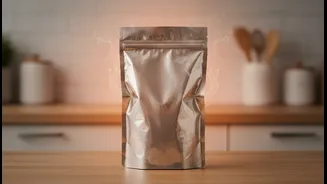
Mylar bags are the gold standard for preserving dry goods like rice, lentils, spices, and flour. Made from a multi-layered film of polyester and aluminum, they create a powerful barrier against the three enemies of freshness: oxygen, light, and moisture.
When properly sealed with an oxygen absorber, these bags can extend the shelf life of food for years, sometimes even decades, making them a favourite for bulk storage and emergency preparedness. Their ability to protect against pests and prevent spoilage has made them an invaluable tool for households looking to reduce food waste and maintain a well-stocked pantry.
Heat: The Primary Culprit
The single biggest threat to your stored food, even inside a Mylar bag, is heat. Indian kitchens, in particular, can become very hot due to the climate and the heat generated from cooking. While Mylar bags are stable at normal room temperatures, prolonged exposure to high ambient heat accelerates the natural chemical reactions that cause food to degrade. According to food storage experts, every 10°C rise in temperature can cut the shelf life of stored food in half. Heat doesn't just affect the food; it can also slowly weaken the packaging material itself over time, compromising its protective barrier.
The Role of Circulating Air Currents
This is where the 'circulating air current' from the headline comes into play. Heat doesn't just sit still; it moves through a process called convection. In a closed kitchen, the air warmed by a stove, a sunlit window, or even the top of a refrigerator rises. As it reaches the ceiling and cools, it sinks back down, creating a slow but constant loop of circulating air. If your Mylar bags are stored on a high shelf or on top of a fridge, they are sitting directly in this current of warm air. This constant, gentle flow ensures the bags are perpetually exposed to elevated temperatures, not just for a few hours, but 24/7. It's like slow-cooking your long-term storage, which is the exact opposite of what you want.
How Degradation Happens
Over time, this relentless thermal stress can impact the Mylar bag's integrity. The heat can cause the material's multiple layers to subtly lose their bond or even make the plastic more permeable to oxygen. While not immediately obvious, this gradual breakdown allows tiny amounts of oxygen and moisture to seep in, which is all that's needed to kickstart spoilage. For foods with natural oils, like brown rice or certain flours, the heat accelerates the process of oxidation, making them go rancid much faster. The goal of Mylar storage is to create a stable, inert environment, but constant warmth and air circulation actively work against this.
Smart Storage Solutions for Your Pantry
The solution is simple: move your Mylar packs out of the kitchen's 'hot zone'. The ideal storage location is cool, dark, and dry, with a stable temperature, preferably below 21-24°C. For most homes, this means avoiding the kitchen altogether. Excellent alternatives include a lower cupboard in a cooler bedroom, the space under a bed, or a dry, clean storage room. Avoid storing bags directly on the floor, where they can pick up moisture. Also, resist the urge to place them on top of cupboards or appliances where heat naturally gathers. By choosing a location with a stable, cool temperature, you give your stored food the best possible chance of reaching its maximum shelf life.