




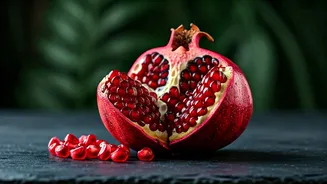



The July Harvest Connection
India is one of the few countries where pomegranates are available almost all year, thanks to a unique cultivation system called 'bahar' treatment, which induces flowering at different times. While there are three main seasons, the 'Hasta Bahar' cycle,
planted in the autumn, often brings its harvest to markets around June and July. Furthermore, the state of Maharashtra, a major pomegranate producer, begins its harvest for the popular 'Bhagwa' variety at the end of July, timed with the arrival of the monsoon. This means that July is a fantastic time to find fresh, juicy, and high-quality fruit arriving in local markets, particularly sought-after varieties known for their soft seeds and sweet taste.
A Monsoon Immunity Shield
July marks the peak of the monsoon season, a time when humidity rises and the risk of seasonal infections like colds and flu increases. This is where the pomegranate shines as a nutritional powerhouse. The fruit is packed with Vitamin C, a well-known nutrient for boosting the immune system. Beyond just Vitamin C, pomegranates are exceptionally rich in powerful antioxidants, such as punicalagins and anthocyanins. These compounds help protect your body's cells from damage and reduce inflammation, which can be linked to various chronic illnesses. Some studies have shown that the antioxidant activity in pomegranates is even three times that of red wine and green tea, making it a formidable ally in maintaining your health during the challenging monsoon months.
How to Pick the Perfect Pomegranate
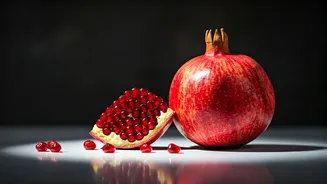
Choosing a good pomegranate can feel like a gamble, but a few simple tips can guarantee you bring home a winner. First, feel the weight. A ripe pomegranate should feel surprisingly heavy for its size, which indicates it is full of juice. Compare a few in your hands to find the heaviest one. Second, look at the shape. Ripe pomegranates aren't perfectly round; as the seeds (or arils) swell with juice, they press against the skin, creating a slightly angular or squared-off shape with flattened sides. The skin should be firm, taut, and have a deep, rich colour. Avoid fruits that have soft spots, large bruises, or feel light, as they might be dried out or past their prime.
Beyond the Glass of Juice
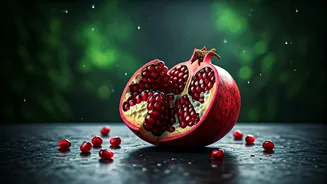
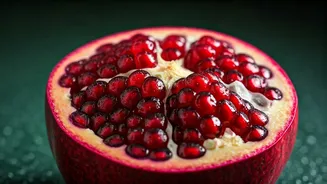
While fresh pomegranate juice is delicious, the ruby-red arils can add a burst of flavour and texture to a wide variety of Indian dishes. Sprinkle them over a simple bowl of yoghurt to make a refreshing pomegranate raita, often seasoned with roasted cumin powder and a pinch of salt. The sweet-tart seeds provide a wonderful contrast in savoury salads or as a garnish on rich pulaos and biryanis. For a simple side dish, you can create a quick 'kosambari' by mixing pomegranate arils with grated coconut and a light tempering of mustard seeds. You can even get creative by making a pomegranate chutney or adding the seeds to your morning bowl of oatmeal or poha for a colourful, nutritious start to the day.
Storing Your Treasure
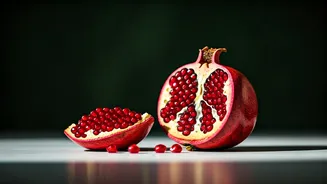
Once you've brought your perfect pomegranates home, storing them correctly will preserve their freshness. Whole, uncut pomegranates have a surprisingly long shelf life. They can be kept in a cool, dry place away from direct sunlight for about a week. For longer storage, you can place the whole fruits in the refrigerator, where they can last for up to two months. Once you've gone through the process of removing the arils, store them in an airtight container in the fridge. They will stay fresh and ready to eat for up to five days, perfect for adding a jewelled-up touch to your meals all week long.