


Start With a Thorough Clean-Up
The first step in reviving your garden is a simple but crucial clean-up. The humid, wet conditions are a perfect breeding ground for fungus and pests. Begin by removing all fallen leaves, dead flowers, and rotting debris from your pots and the balcony
floor. This debris can harbour harmful pathogens that may spread to healthy plants. Pay close attention to the base of your plants, where wet leaves can cause stem rot. A clean space improves air circulation, which is one of your best defences against the fungal diseases that thrive in post-monsoon humidity. Remember to disinfect your gardening tools before and after you use them to avoid spreading any potential diseases between plants.
Prune for Health and New Growth
Monsoon growth can often be leggy, weak, and chaotic. Now is the time for some strategic pruning to shape your plants and encourage stronger growth. Start by cutting away any dead, damaged, or diseased branches. You'll also want to thin out dense areas to improve airflow and allow sunlight to reach the inner parts of the plant. For flowering plants like hibiscus or bougainvillea, light trimming and deadheading can stimulate new blooms. However, avoid heavy pruning, which can stress the plant. Use clean, sharp shears to make precise cuts, ideally on a dry day to prevent infections from setting into the fresh wounds.
Revive the Waterlogged Soil
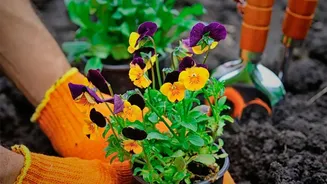
After weeks of relentless rain, the soil in your pots is likely compacted and stripped of nutrients. This can suffocate the roots and lead to root rot. Your first task is to gently loosen the top layer of soil with a small fork or trowel, being careful not to damage the roots. This process, known as aeration, helps the roots breathe again. Check that the drainage holes of your pots are not blocked. Heavy rainfall washes away essential nutrients, so it's vital to replenish them. Add a layer of fresh compost or well-rotted manure to your pots. These organic materials not only provide a slow release of nutrients but also improve the soil's structure and drainage.
Manage Pests and Diseases Organically
High humidity after the monsoon creates an ideal environment for pests like mealybugs, aphids, snails, and slugs, as well as fungal diseases like powdery mildew and leaf spot. Inspect your plants regularly, paying close attention to the undersides of leaves and new shoots. For many common pests, a simple, organic spray made from neem oil, liquid soap, and water is highly effective and safe for home gardens. You can deter slugs and snails by creating a barrier of crushed eggshells around the base of your plants. If you notice any leaves with fungal spots, prune them immediately to prevent the disease from spreading.
Prepare for the Winter Season
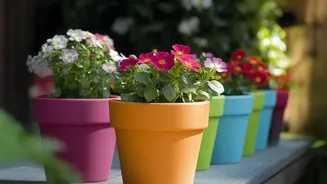
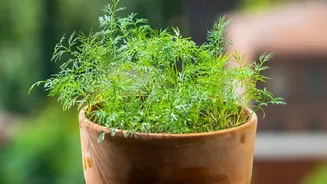
With your garden clean and your plants recovering, it's the perfect time to plan for the winter growing season. The cooler, pleasant weather is ideal for a wide variety of flowers and vegetables that thrive in Indian winters. Consider planting winter flowering annuals like petunias, pansies, or calendulas for a splash of colour. It's also an excellent time to start a small vegetable patch. Many greens like spinach (palak), fenugreek (methi), and coriander grow wonderfully in pots and don't require a lot of space. Root vegetables like carrots and radishes, as well as tomatoes, can also be successfully grown on a sunny balcony.