



Meet Your Skin’s Gatekeeper
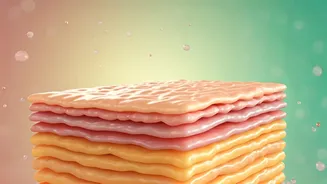
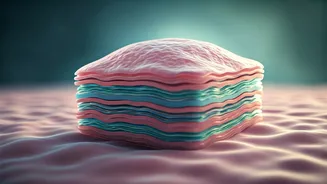
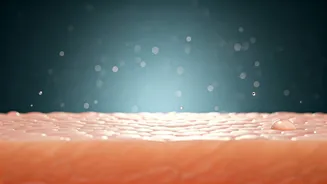
Think of your skin barrier, or stratum corneum, as a brick wall. The 'bricks' are your skin cells (corneocytes), and the 'mortar' holding them together is a mix of lipids like ceramides, cholesterol, and fatty acids. This wall has two crucial jobs: it
keeps essential water and nutrients in, and it keeps harmful pollutants, bacteria, and irritants out. When this barrier is strong and healthy, your skin looks and feels plump, calm, and hydrated. When it's compromised, it can lead to a host of problems, from dryness and sensitivity to acne and redness.
Humidity’s Double-Edged Sword
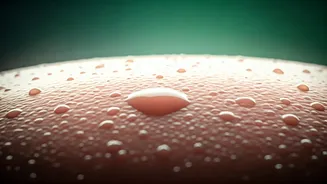
It seems logical that more moisture in the air would mean more hydrated skin. Initially, that's true. High humidity can temporarily reduce transepidermal water loss (TEWL), where water evaporates from your skin. However, the story doesn't end there. Your skin responds to the constant dampness by overproducing sebum (oil), which can lead to clogged pores and breakouts. Furthermore, the humid environment is a perfect breeding ground for bacteria and fungi, increasing the risk of infections and inflammation. This constant state of flux and overactivity can stress the skin barrier, making it more permeable and less effective at its job. Your skin might feel oily on the surface but be dehydrated and irritated underneath.
Signs of a Compromised Barrier
How do you know if your skin's defences are down? It’s not always obvious, especially when your skin feels greasy. Look out for these tell-tale signs: - **Increased Sensitivity:** Products that never bothered you before suddenly cause stinging or redness. - **Persistent Redness:** Your skin looks flushed or blotchy, particularly on the cheeks. - **Dryness and Tightness:** Despite the humidity, your skin feels tight, flaky, or rough to the touch. - **Breakouts:** An increase in acne, especially small bumps or inflammatory pimples, can be a sign of barrier dysfunction. - **Dehydration:** Your skin looks dull and fine lines are more prominent, even if it feels oily.
Your Barrier-Building Toolkit
Protecting your barrier in high humidity isn't about piling on heavy creams. It's about using smart, lightweight ingredients that support its structure without clogging pores. Look for these heroes in your products: - **Ceramides:** These are lipids that are naturally part of your skin's 'mortar'. Topping them up helps repair the barrier, lock in moisture, and keep irritants out. They are essential for restoring a compromised barrier. - **Hyaluronic Acid:** This humectant draws moisture from the environment into your skin. In humid weather, it’s incredibly effective at providing lightweight hydration without feeling heavy. Use it in a serum form on damp skin before your moisturiser. - **Niacinamide:** A true multi-tasker, niacinamide (Vitamin B3) helps your skin produce more of its own ceramides, reduces inflammation and redness, regulates oil production, and minimises the appearance of pores. It’s a perfect ingredient for humid conditions.
A Simple Routine for Humid Days
The key is to focus on balance and support, not stripping oils or overloading the skin. A simple, effective routine is your best bet. 1. **Cleanse Gently:** Use a mild, pH-balanced cleanser that removes excess oil and grime without stripping your skin. Avoid harsh foaming cleansers that leave your skin feeling 'squeaky clean'—that’s a sign of a stripped barrier. 2. **Hydrate and Treat:** Apply a lightweight, water-based serum containing ingredients like hyaluronic acid or niacinamide to damp skin. 3. **Moisturise Wisely:** This is the most crucial step. Skip the heavy, occlusive creams and opt for a gel, gel-cream, or light lotion. Look for one that is 'non-comedogenic' (won't clog pores) and contains ceramides to seal in the hydration from your serum and support your barrier.