




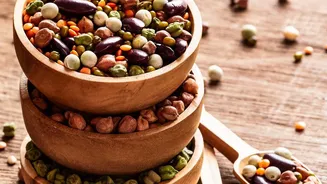

The First Step: The Power of Soaking
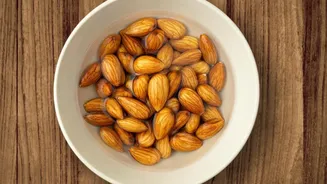
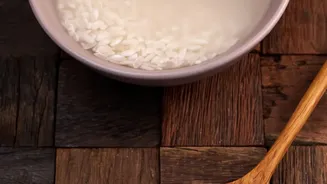
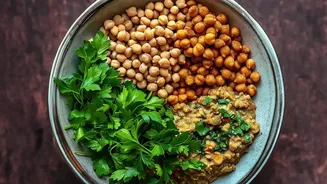
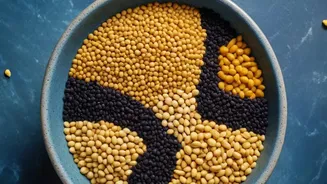
Before any heat is applied, there's the crucial step of soaking. While some smaller, split lentils like masoor or yellow moong dal can be cooked without it, most larger pulses like chana, rajma, and whole urad benefit immensely from a good soak. Soaking
is not just about softening the pulses to reduce cooking time; it's a key step for better digestion and nutrition. Pulses contain compounds like phytic acid and lectins, which can interfere with nutrient absorption and cause digestive issues like gas and bloating. Soaking activates enzymes like phytase, which help break down these anti-nutrients. This process makes minerals such as iron, zinc, and calcium more available for your body to absorb. A soak of 4-8 hours is generally recommended; any longer than 12 hours can cause pulses to lose their texture and flavour.
The Traditional Route: Open-Pot Boiling
Boiling pulses in an open pot on the stovetop is the time-honoured method. Its main advantage is control. You can easily monitor the texture of your dal, ensuring it doesn't turn to complete mush. This is particularly useful for dishes where you want the pulses to retain some of their shape. However, this method requires patience. It takes significantly longer and uses more fuel compared to pressure cooking. For example, soaked chana dal that might take 15-20 minutes in a pressure cooker could take over an hour on the stovetop. There's also a nutritional drawback: boiling can cause water-soluble nutrients, like B-vitamins, to leach out into the cooking water. If you discard this water, you're also discarding valuable nutrients. Therefore, it's best to use a method where the cooking liquid is consumed as part of the final dish.
The Modern Shortcut: Pressure Cooking
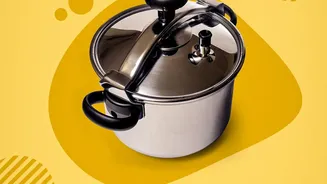
The pressure cooker is a staple in most Indian households for a reason: it's incredibly efficient. By trapping steam, it raises the internal pressure and temperature, increasing the boiling point of water to around 120°C. This dramatically cuts down cooking times, often by as much as 70%. From a nutritional standpoint, pressure cooking is often considered superior to boiling for pulses. The shorter cooking time and minimal amount of water required mean better retention of heat-sensitive and water-soluble vitamins. The high-pressure environment is also more effective at breaking down stubborn anti-nutrients like lectins and phytates, further improving digestibility and nutrient absorption. The main downside is the lack of control. It's easy to overcook pulses, so it’s important to know the right number of whistles or minutes for each type of dal.
Method vs. Method: A Direct Comparison
When choosing a method, consider these key factors. For speed and energy efficiency, the pressure cooker is the undisputed winner. For nutrient retention, pressure cooking also has the edge over open-pot boiling, as it reduces both cooking time and water usage, preserving more vitamins and minerals. In terms of digestibility, both soaking and pressure cooking play a vital role. Soaking begins the process of breaking down gas-causing compounds, and pressure cooking finishes the job more effectively than boiling. The one area where boiling has an advantage is texture control. If you're making a dish that requires pulses to be perfectly tender but still distinct, gentle simmering on the stovetop allows you to monitor them closely. With a pressure cooker, the result is often much softer and creamier, which can be ideal for dishes like dal makhani but less so for a simple chana salad.
So, What's the Verdict?
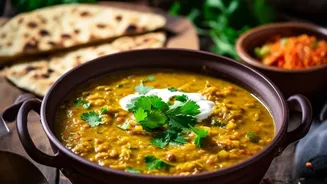
The best method truly depends on the pulse you are cooking and the dish you are preparing. For quick-cooking split lentils like red masoor dal, a brief boil might be all you need. For a creamy, comforting dal tadka made with toor or moong dal, the pressure cooker delivers excellent results quickly. For tough, large beans like rajma and chana, a combination of soaking followed by pressure cooking is almost non-negotiable for achieving a tender texture in a reasonable amount of time. Boiling is best reserved for times when you need precise control over the final texture and don't mind the extra time. Ultimately, understanding the science behind each method allows you to move beyond simply following a recipe and start making choices that best suit your needs, your schedule, and the delicious meal you're about to create.