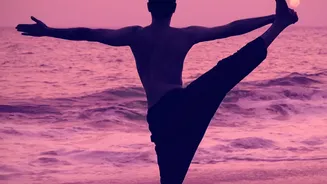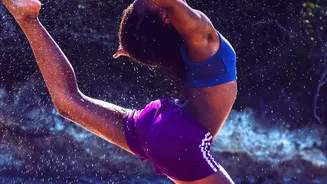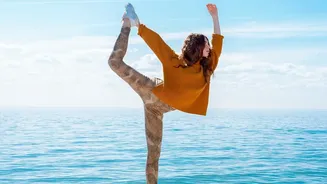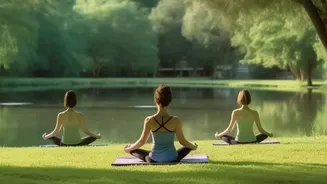


The Vibe: Introspection vs. Expression
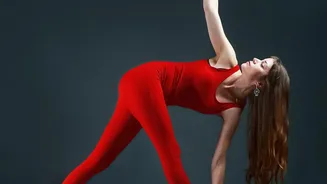
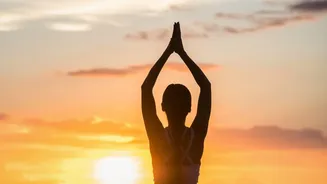
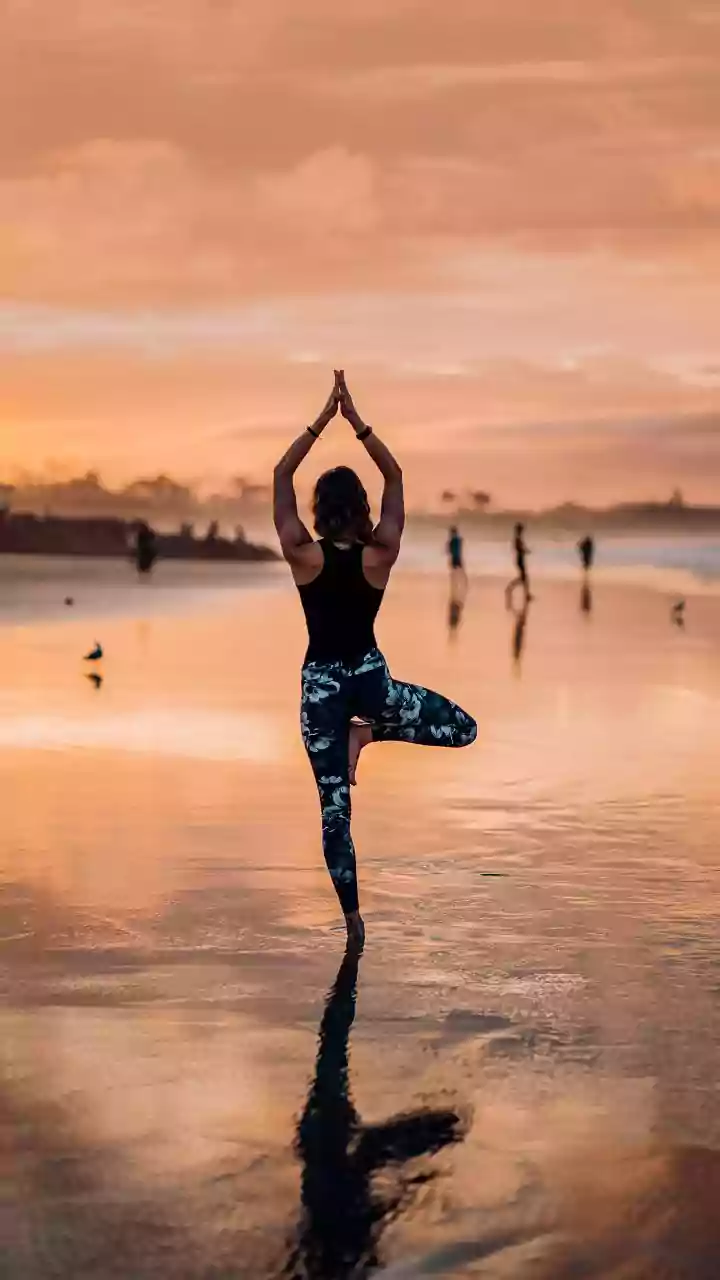
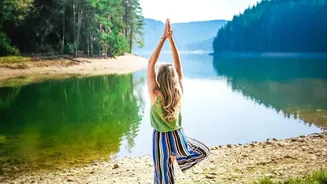
The fundamental difference between yoga and dance lies in their energy. Yoga is primarily an internal practice. It encourages mindfulness, connecting with your breath, and turning your focus inward. A typical yoga class is a quiet, meditative space where
you explore your body's capabilities and limitations on your own mat. It’s about finding peace and stability from within. Dance, on the other hand, is all about external expression. It’s a rhythmic, energetic release set to music, designed to be an outlet for emotion and creativity. While both connect the mind and body, dance does so through music and movement, often creating a more celebratory and social atmosphere. If you're seeking calm and self-reflection, yoga is a natural fit. If you'd rather let loose and express yourself outwardly, dance might be calling your name.
The Physical Challenge: Strength vs. Stamina
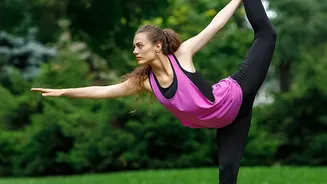
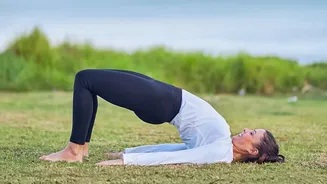
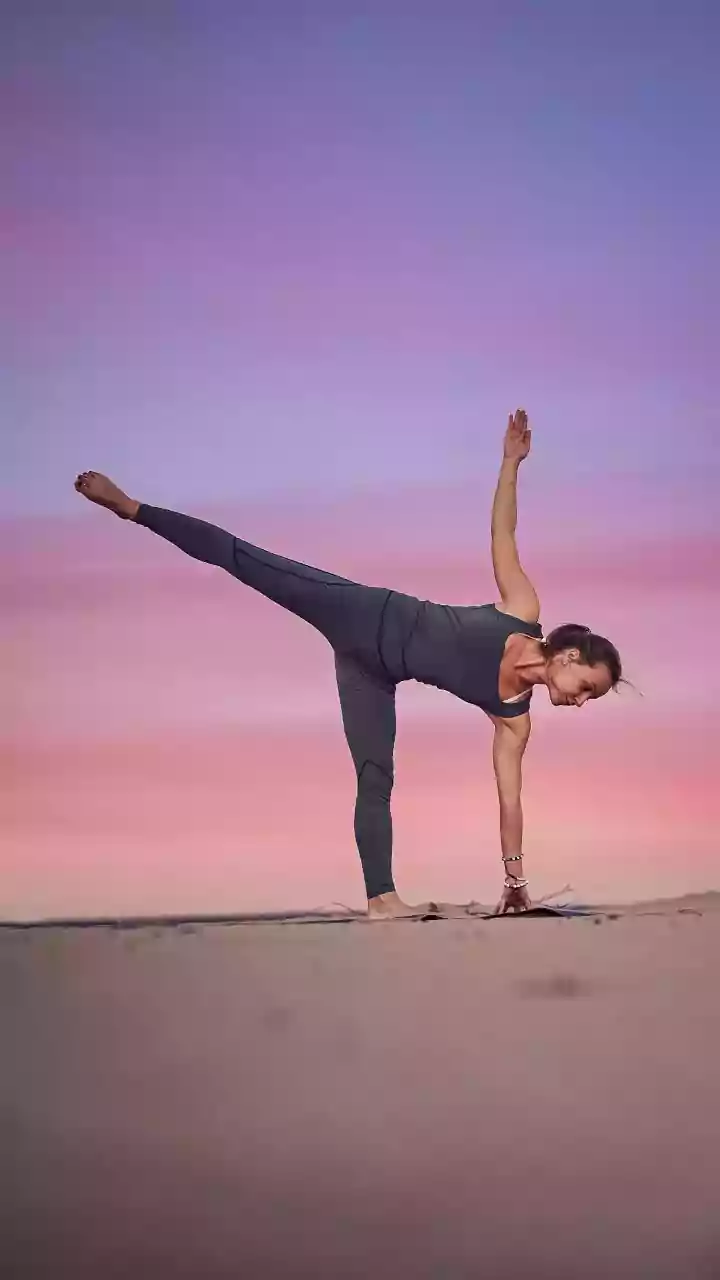
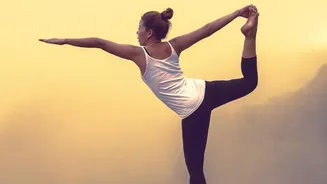
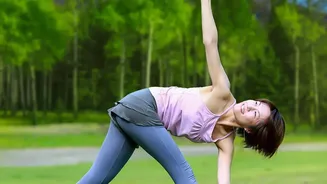
Both activities offer a full-body workout, but they build fitness in different ways. Yoga is celebrated for developing flexibility, balance, and muscular strength through sustained postures and controlled movements. It builds lean muscle and stability by having you support your own body weight in challenging poses. This methodical approach is excellent for improving posture and reducing joint pain. Dance is a cardiovascular powerhouse. High-energy styles like Zumba, Salsa, or Hip-Hop get your heart pumping, build endurance, and burn a significant number of calories. Dance improves coordination, agility, and stamina through repetitive, rhythmic sequences. If your main goal is a high-intensity cardio session and weight management, dance often has the edge. If you want to build foundational strength, improve your range of motion, and foster stability, yoga is an ideal choice. Many people find a combination of both provides a perfectly balanced routine.
The Social Scene: Solo Journey or Group Energy
The social dynamics of yoga and dance classes can be quite distinct. A yoga class fosters a sense of community through shared purpose, but the practice itself is highly individual. You are on your own mat, engaged in your own practice, even when surrounded by others. It’s a 'together-alone' experience that many find comforting. Dance classes are often inherently more social and interactive. Whether it's a partner dance like Salsa, a group choreography in a Hip-Hop class, or the party-like atmosphere of Zumba, the energy is often shared. Laughing with others while learning new steps is a common part of the experience, which can be a powerful motivator and stress-reliever. If you're a social butterfly who thrives on group energy, a dance class might be more your speed. If you prefer a quieter environment to focus on your personal progress, the atmosphere of a yoga studio will likely appeal more.
Finding Your Flavor: A Style for Everyone
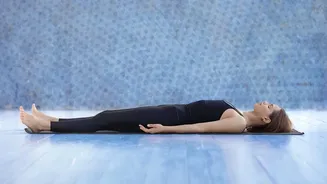
Neither 'yoga' nor 'dance' is a monolith. Both disciplines offer a vast array of styles, so finding one you enjoy is key. For yoga beginners, Hatha, Yin, or Restorative yoga are great starting points because they are slower-paced and focus on alignment and breathing. If you want something more physically demanding, a flowing Vinyasa or powerful Ashtanga class might be a better fit. In the world of dance, the options are just as diverse. For a high-energy, cardio-focused workout, styles like Zumba, Hip-Hop, or Salsa are popular choices. If you're drawn to technique and grace, you could explore Ballet or Contemporary dance. There are even mind-body dance forms inspired by yoga and Tai Chi for a gentler experience. Don't be afraid to try a few beginner classes in different styles to discover what truly makes you want to move.