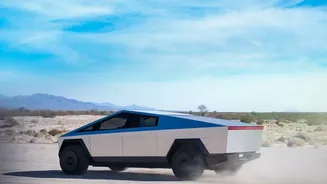







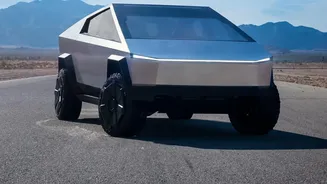
Tesla's Cybertruck timeline has shifted again, but this isn't another delay. Following a recent announcement that production would end in mid-2027, Elon Musk has granted the polarizing pickup a short reprieve through the end of summer 2027.
A Reprieve, Not a Reversal
Just days after
announcing that the Cybertruck's production would be wound down around July 2027, Tesla CEO Elon Musk has slightly pushed back the vehicle's retirement date. In a post on the social media platform X, Musk confirmed that manufacturing will now continue 'through the end of summer 2027'. This adjustment adds a few more months to the production calendar, primarily to work through a larger-than-expected order backlog. This news doesn't signal a change of heart about the truck's future; rather, it's a minor extension before the assembly line is dismantled to make way for Tesla's next major project. The decision came after the initial announcement sparked a significant reaction from the vehicle's dedicated fanbase and the thousands of customers still waiting for their orders to be fulfilled.
Driven by Sentiment, Not Profit
Interestingly, Musk himself admitted that extending the Cybertruck's life isn't a financial masterstroke. 'This is not the smartest move from a profit-maximizing standpoint btw,' he wrote, 'but there must be some room in this world for sentimentality or what's the point?'. The comment underscores the pressure from the immense order backlog, which Musk noted 'far exceeds' what Tesla can produce before the planned shutdown. Even with the extension and a previously announced plan to add an extra production shift, the company has warned that it will still have to refund deposits for many reservation holders who will not receive their vehicle. The move appears to be a gesture to dedicated fans and early supporters who have waited years for the unconventional electric truck.
Making Way for the Cybercab
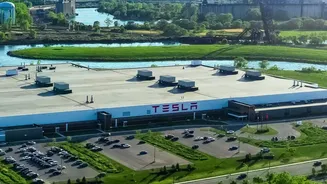
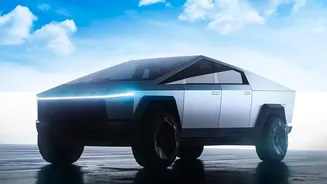
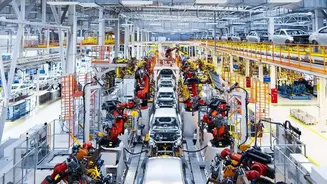
The fundamental reason for the Cybertruck's short production life remains unchanged: Tesla is strategically pivoting its resources at Gigafactory Texas toward the Cybercab. This futuristic, two-seat vehicle with no steering wheel or pedals is central to the company's ambition to launch a fully autonomous robotaxi network. Factory space is a finite resource, and the complexity of building the Cybertruck, with its challenging stainless-steel exoskeleton, consumes significant engineering and manufacturing capacity. Musk has clarified that the decision to end the Cybertruck's run is not because it is unprofitable, but because the 'opportunity cost' is too high when compared to the value of ramping up Cybercab production. The future of Tesla's growth, in the company's view, lies in autonomy, and the Cybertruck line must make way for that vision.
A Short, Tumultuous Journey
The Cybertruck's journey from its 2019 unveiling has been anything but smooth. The launch event became famous for its 'shatterproof' windows cracking during a demonstration. This was followed by years of production delays that pushed the first deliveries from a planned 2021 start to the end of 2023. Since its launch, the truck has been subject to at least 11 recalls for issues ranging from faulty accelerator pedals to trim pieces that could detach. Furthermore, sales have not lived up to the initial hype. While hundreds of thousands of people placed refundable $100 deposits, actual deliveries have fallen far short of Musk's early projection of 250,000 units per year, with total sales estimated to be around 70,000 in its entire run. The high price, which climbed far above the original $39,900 promised, and its polarizing design have made it a niche product rather than a mass-market contender.
What This Means for Buyers
For those still holding out hope for a Cybertruck, the window is closing fast. To simplify its final production months, Tesla has already stopped taking orders for the lower priced All Wheel Drive models, leaving only the top tier, and more expensive, 'Cyberbeast' variant available. The price for this remaining model has also recently increased. The small extension to late summer 2027 provides a slim opportunity for more reservation holders to get their trucks, but it is not a guarantee. The reality is that many who placed deposits years ago will likely end up with a refund instead of a vehicle. For the broader electric truck market, the Cybertruck's abbreviated run is a lesson in how viral excitement doesn't always translate to sustained demand, especially for high priced, unconventional vehicles in a competitive landscape.