






Chennai's Annual Water Challenge
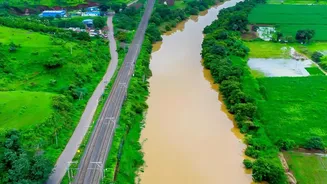
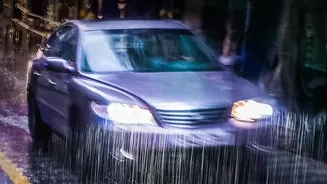
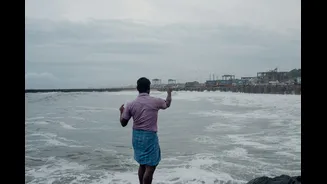
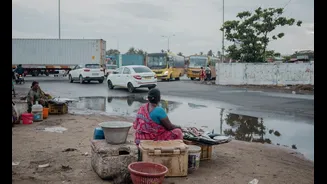
For residents of Chennai, the northeast monsoon is a period of both relief and apprehension. The rains are vital, but the city's low-lying, flat topography makes it intensely vulnerable to flooding. Heavy downpours can quickly submerge roads, bring traffic
to a standstill, and cut off access to entire neighbourhoods. This recurring challenge turns simple commutes into impossible journeys, disrupting work, education, and access to essential services. During these times, traditional public and private transport becomes unreliable, leaving thousands of people stranded. This is where the importance of a flood-resilient transit system becomes starkly clear.
Engineered to Rise Above
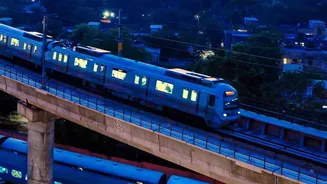
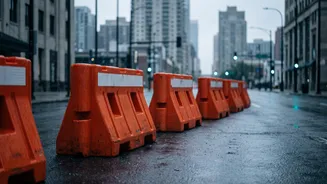
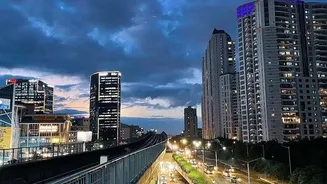
The Chennai Metro's primary defence against flooding is its fundamental design. A significant portion of the network runs on elevated viaducts, placing the tracks and stations well above the highest flood levels seen on the streets below. This inherent elevation ensures that train operations can continue uninterrupted even when surrounding roads are impassable. For the underground sections, Chennai Metro Rail Limited (CMRL) has implemented proactive measures. Learning from past events, CMRL has been installing flood-proof doors and temporary bund walls at the entrances of several underground stations to prevent rainwater from entering. This combination of elevated construction and strategic flood-proofing at subterranean levels is the core of its physical resilience.
Proactive Monsoon Preparedness
Beyond its structural advantages, the CMRL's operational readiness is key. Ahead of every monsoon season, the agency rolls out a comprehensive preparedness plan. This includes stationing hundreds of high-capacity water pumps at vulnerable points across its operational network and under-construction sites to rapidly dewater any areas that experience stagnation. In anticipation of cyclone alerts and heavy rain forecasts, CMRL often increases service frequency during peak hours to support the public. They also coordinate with civic bodies like the Greater Chennai Corporation to manage waterlogging around station premises, ensuring that the system as a whole functions smoothly. This forward-planning transforms the metro from a passive structure into an active part of the city's flood response.
A Lifeline in a Deluge
During major rain events, the Metro proves its worth by becoming the sole reliable mode of mass transit. In past floods, ridership has noticeably increased as people turn to the metro to reach crucial transport hubs like Chennai Central and Egmore railway stations, the CMBT bus terminus, and the airport. It becomes the critical link that allows residents, including essential service workers, to travel safely across the city. The reliability is so trusted that during severe waterlogging, some residents have even used the elevated station parking lots to keep their vehicles safe from floodwaters. While access to a few stations has been hampered by flooded approach roads in the past, the core train services have consistently remained operational, a testament to the system's robustness.
A Blueprint for Urban Resilience
The success of the Chennai Metro during floods offers a powerful example of how modern infrastructure can mitigate the impacts of extreme weather in vulnerable coastal cities. While the metro system itself has faced challenges, including financial losses from cyclone damage and issues with waterlogging at the entry points of some stations, its ability to maintain core operations is invaluable. The growing passenger numbers, crossing the one-crore mark monthly, show an increasing public reliance on the system for everyday travel, which only intensifies during crises. As Chennai and other cities grapple with the increasing frequency of extreme weather events, the Metro stands as a vital case study in building for resilience, ensuring that even when the waters rise, the city doesn't have to stop.