




The Science of Muscle Repair
To understand how protein powders work, we first need to look at what happens when you exercise. Strenuous activity, especially resistance training, creates microscopic tears in your muscle fibres. This is a normal and necessary part of getting stronger.
In response, your body initiates a repair process. It uses amino acids, the building blocks of protein, to patch up these tears. In doing so, it doesn't just fix the damage; it adds more cells to make the muscle fibre thicker and stronger, preparing it for the next challenge. This repair and growth process is called muscle protein synthesis. For it to happen effectively, your body needs a ready supply of amino acids, which is why consuming protein shortly after a workout can be so beneficial.
Unlocking Plant Power for Growth
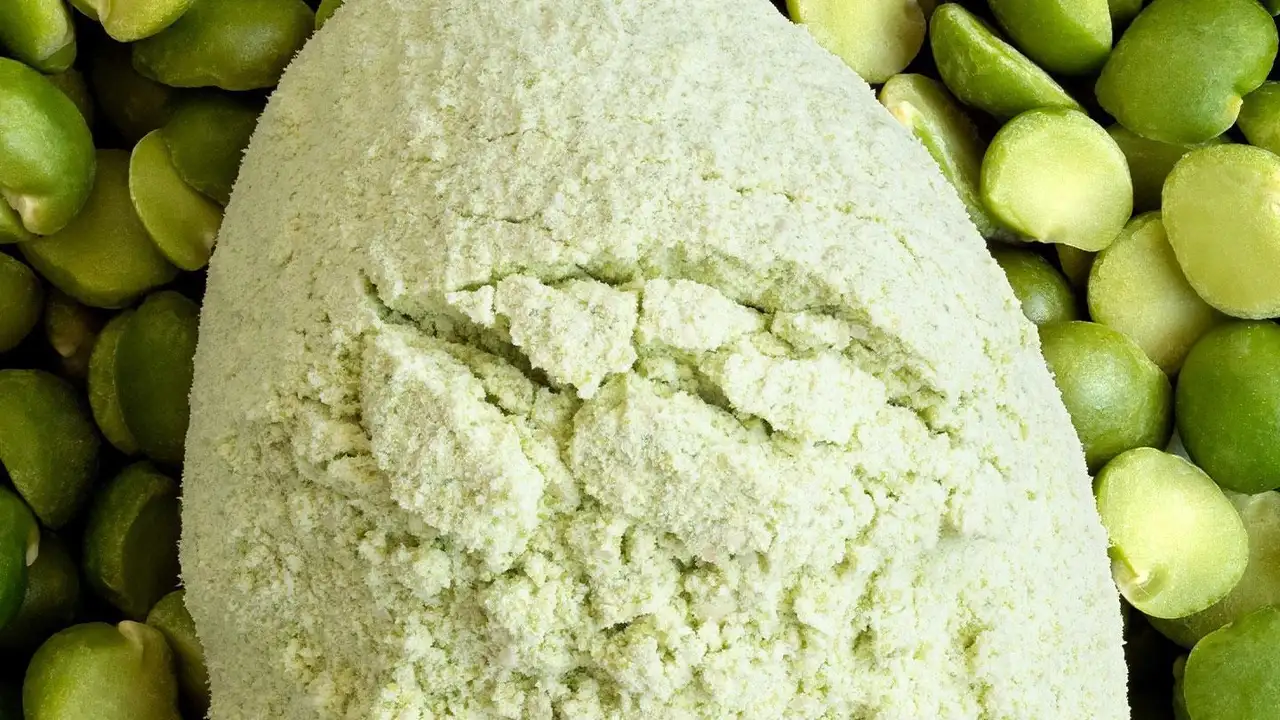
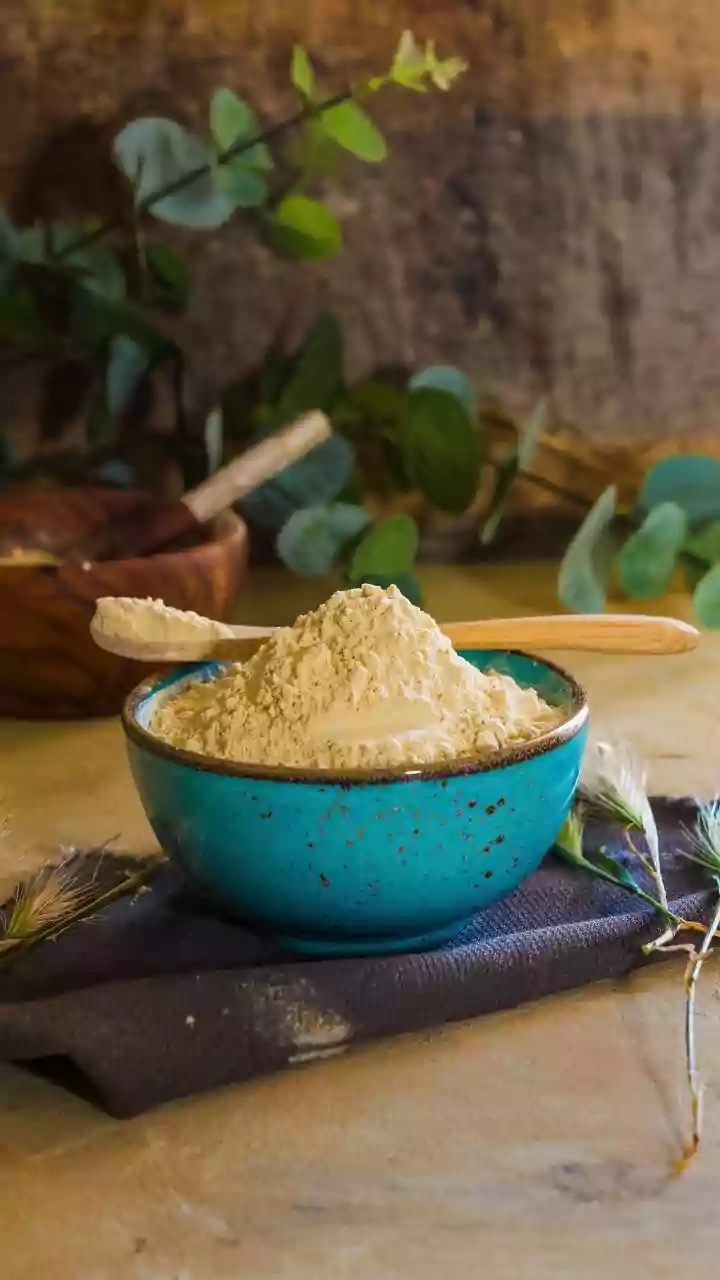
A common myth is that plant-based proteins are inferior to animal-based ones like whey for building muscle. While whey protein is absorbed very quickly and is naturally high in a key amino acid called leucine, which triggers muscle protein synthesis, the gap is closing. High-quality plant proteins can be just as effective. Studies have shown that pea protein, for example, can promote muscle gains comparable to whey. The key lies in the amino acid profile. While some single plant sources might be low in one or two of the nine essential amino acids, most modern plant-based protein powders solve this by using blends. By combining sources like pea, brown rice, and pumpkin seed, these products deliver a complete amino acid profile, ensuring your muscles get all the building blocks they need. Many are also fortified with extra leucine to match the muscle-triggering power of whey.
The Digestive Dilemma Solved
This is where plant-based proteins offer a clear and significant advantage for a large portion of the population. Whey and casein, the two proteins found in milk, are the foundation of most traditional protein supplements. Both contain lactose, the natural sugar in milk. For individuals with lactose intolerance, whose bodies don't produce enough of the lactase enzyme to break it down, consuming whey can lead to a host of uncomfortable digestive issues, including gas, bloating, stomach cramps, and diarrhoea. While whey protein isolate is processed to remove most of the lactose, some may still remain, causing issues for sensitive individuals. Plant-based protein powders are, by their nature, 100% lactose-free. This makes them a gentle yet powerful alternative, allowing you to focus on your recovery without worrying about digestive distress.
Not All Plant Proteins Are Equal
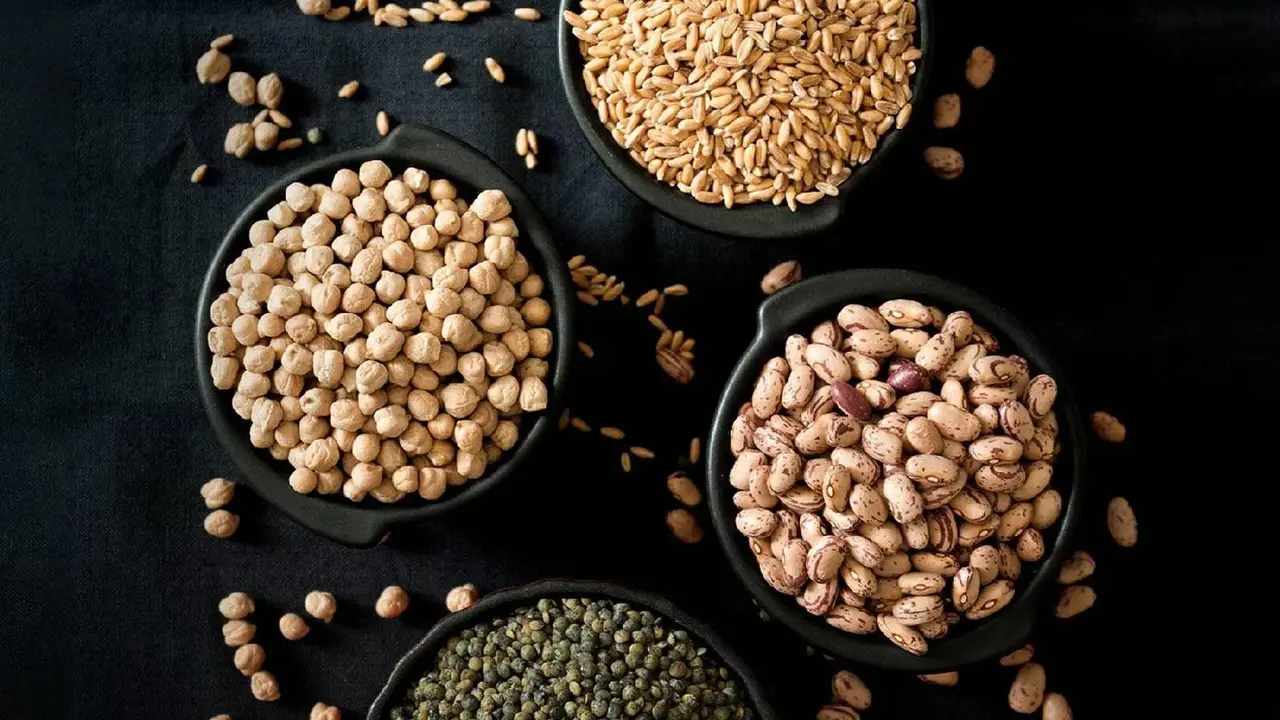
When venturing into the world of plant protein, you'll find a variety of sources. Pea protein is a popular star, known for its high concentration of branched-chain amino acids (BCAAs), which are crucial for muscle recovery. Brown rice protein is another excellent choice, and when combined with pea protein, it forms a complete protein with an amino acid profile similar to whey. Soy protein is one of the few plant sources that is naturally a complete protein on its own. Others like hemp and pumpkin seed protein offer additional benefits like healthy fats and minerals. The most effective plant powders are typically blends, which are expertly formulated to ensure the final product has a powerful and complete amino acid profile designed for optimal performance and recovery.
Choosing Your Perfect Powder
With a booming market, picking the right plant-based protein can seem daunting. Here are a few simple things to look for. First, check the label for a 'complete amino acid profile,' often achieved through a blend of different plant sources. Second, look for a good amount of protein per serving—aim for 20-25 grams. Third, consider the taste and texture, and don't be afraid to try a few brands to find one you enjoy. Finally, opt for products with minimal fillers, artificial sweeteners, and additives. The cleaner the ingredient list, the better. Many reputable brands also use third-party testing to verify the purity and potency of their products, offering an extra layer of confidence.