
The Science Behind the Squeeze
The secret lies in the fascinating chemistry between vitamin C and a specific type of iron. Iron from our diet comes in two forms: heme iron, found in animal products like meat and fish, and non-heme iron, found in plant-based foods like spinach, beans,
and lentils. Our bodies absorb heme iron quite easily, but non-heme iron is trickier to absorb. This is because plants also contain compounds like phytates and oxalates that can bind to iron, making it less available to us. This is where vitamin C, or ascorbic acid, works its magic. When you add vitamin C to a meal, it converts the non-heme iron from its ferric state to a ferrous state, a form that is much more soluble and easier for your intestines to absorb. In essence, vitamin C acts as a key, unlocking the iron that would otherwise pass through your system unused.
How Much of a Boost Are We Talking?
The headline's claim to 'double' your intake is not just a catchy phrase; it is rooted in solid nutritional science. Research shows that vitamin C is a powerful enhancer of non-heme iron absorption. Studies have demonstrated that adding vitamin C to a meal can increase iron absorption by several times. One study noted that just a small amount of vitamin C could double the absorption of non-heme iron, while others have found the boost can be even greater, sometimes increasing absorption by up to 300 percent depending on the meal's composition. The effect is most pronounced in meals that are high in iron inhibitors, like a lentil stew rich in phytates. Adding a squeeze of lemon or some chopped tomatoes can help counteract these inhibitors and ensure you get the most out of your meal.
Your Power-Pairing Shopping List
Building a meal for maximum mineral absorption is all about smart pairings. Think of it as a nutritional matchmaking game. On one side, you have your iron-rich plant foods, and on the other, your vitamin C heroes.
Iron-Rich Greens & Veggies:
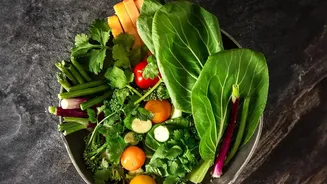
Spinach is a classic choice, boasting one of the highest iron contents among leafy greens. Other excellent options include Swiss chard, kale (which has the added benefit of being low in oxalates), moringa leaves, and even beet greens. Beyond greens, look to lentils, beans, tofu, and fortified cereals.
Vitamin C Powerhouses:
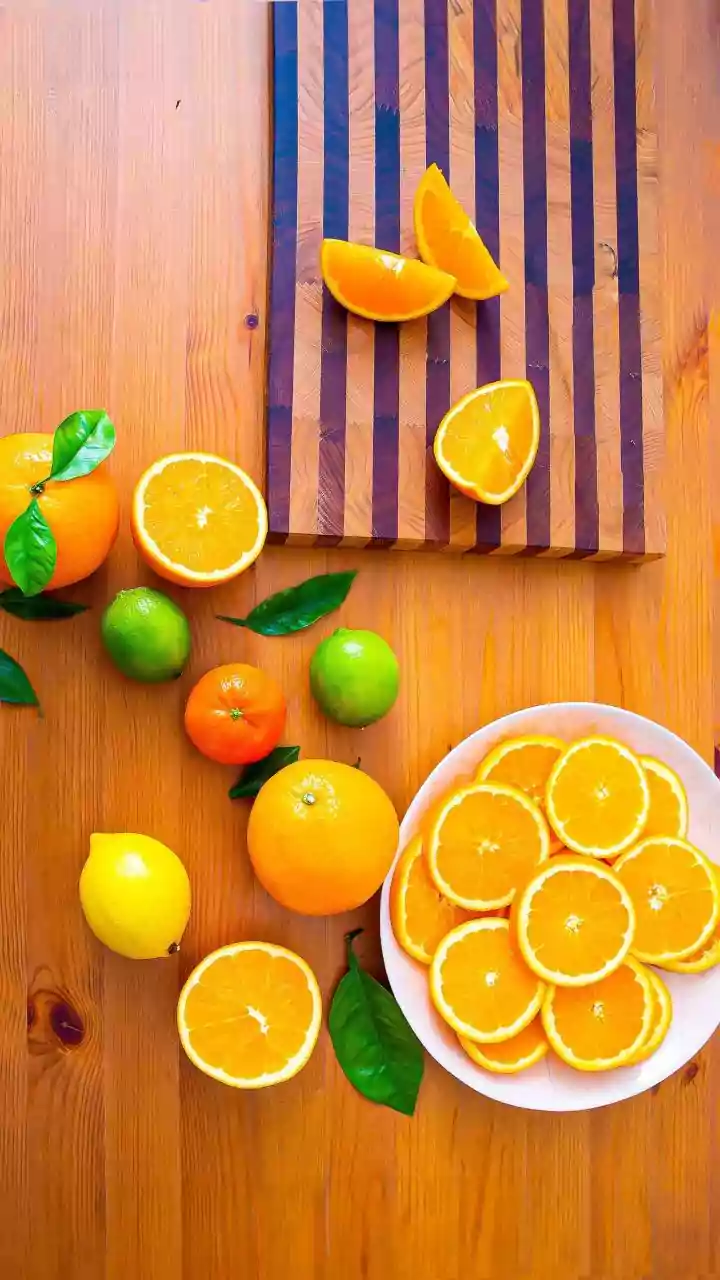
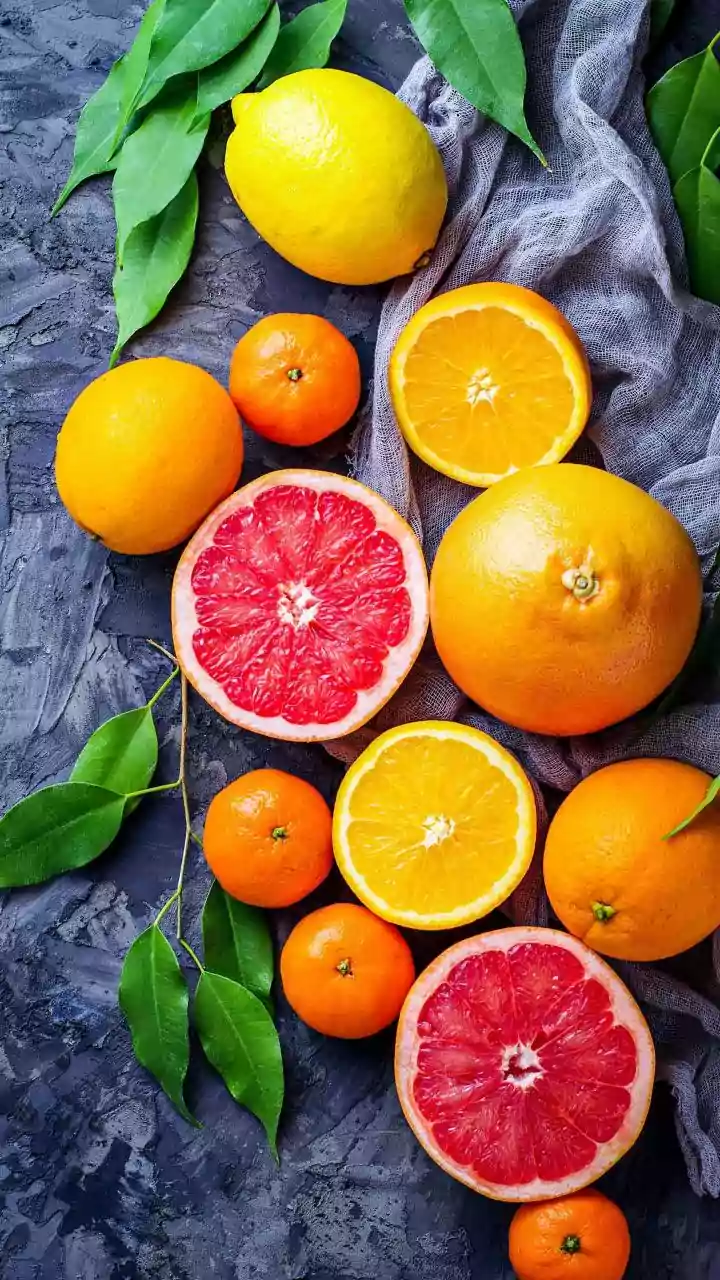
The obvious choice is citrus fruit—a squeeze of lemon or lime over a salad, or a glass of orange juice with your fortified breakfast cereal. But the options are much broader. Bell peppers, especially the red and yellow varieties, are packed with vitamin C. Others include strawberries, broccoli, tomatoes, kiwi, and cauliflower.
Beyond the Salad Bowl: Creative Combinations
Applying this principle is easy and can make your meals more vibrant and flavourful. It doesn't always have to be a salad with lemon dressing.
Breakfast: Top a bowl of oatmeal or iron-fortified cereal with fresh strawberries or kiwi.
Lunch: Enjoy a hearty lentil soup with a generous squeeze of lemon juice before serving. Or, try a bean burrito loaded with salsa and bell peppers.
Dinner: Make a tofu or chickpea stir-fry and load it up with broccoli and red bell peppers. Serve a side of steamed spinach with a dash of lemon juice.
Snacks: A handful of nuts (a source of iron) paired with an orange makes for a simple and effective combination.
By thinking in pairs, you can effortlessly elevate the nutritional value of your everyday plant-based meals.
A Note on What to Avoid
Just as vitamin C can boost absorption, other compounds can hinder it. Tannins, found in tea and coffee, are known inhibitors of iron absorption. Calcium from dairy products can also interfere. This doesn't mean you have to give them up. For optimal iron uptake, simply try to enjoy your coffee, tea, or glass of milk between meals rather than with your iron-rich main courses. This small timing adjustment can make a significant difference in how much iron your body is able to use from your food.