




The Science of Surface Area
The most important principle to understand is surface area. The more of a vegetable's surface is exposed, the more it interacts with heat, oil, and seasoning. A finely diced onion will react more intensely with hot oil than one cut into large chunks,
releasing its flavour more fully into a dish. This is because cutting ruptures the vegetable's cell walls, releasing enzymes and aromatic compounds. More cuts mean more ruptured cells, which can result in a stronger, more pronounced taste of the vegetable itself. Think of minced garlic, which is far more pungent than a sliced clove.
The Perfect Roast: Big and Bold
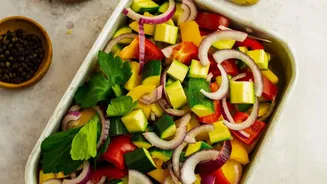
For roasting, bigger is often better. When you're dealing with root vegetables like potatoes, carrots, or pumpkin, larger, chunkier cuts are ideal. This allows the vegetable to cook long enough to develop a beautifully caramelized, crisp exterior while the inside becomes soft and tender. The high heat creates browning, a process known as the Maillard reaction, on the flat surfaces, which adds a deep, savoury flavour. If you were to roast finely diced vegetables, they would have too much surface area exposed to the intense heat and would likely burn or turn mushy before developing that desirable texture.
Quick and Consistent for Stir-Fries
When cooking quickly over high heat, as in a stir-fry, uniformity and shape are key. Thin cuts, like a julienne (thin matchsticks) or thin diagonal slices, are perfect for ingredients like capsicum, carrots, and onions. This ensures that every piece cooks evenly and rapidly, retaining some of its crispness. If your cuts were inconsistent, with some large chunks and some small pieces, the smaller bits would overcook and turn soft while the larger ones would remain unpleasantly raw. The goal is a balanced texture and cohesive flavour in every bite.
A Tale of Two Carrots: Raw vs. Cooked
Consider the humble carrot. When grated raw into a salad, its vast surface area makes it taste sweeter and more delicate. The texture is light and easy to chew. Now, imagine a large, chunky piece of that same carrot in a hearty stew. It has been slow-cooked to become tender, and its flavour is earthy and mellow, having absorbed the surrounding broth. A finely diced carrot might be used as a base for a soup, where it is intended to soften and almost disappear, adding sweetness and body to the broth. The cut completely defines its role and contribution to the final dish.
Mastering Your Leafy Greens
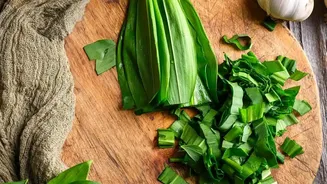
The logic even applies to leafy vegetables like spinach (palak) or basil. For a garnish or a fresh salad, a chiffonade—where leaves are rolled and thinly sliced into ribbons—is elegant and effective. This cut provides a delicate texture and distributes the fresh, aromatic flavour evenly without anyone getting a whole leaf in one bite. For a cooked dish like a saag or dal, a rougher, larger chop is more appropriate. The leaves will wilt down significantly, and the larger pieces ensure they maintain some texture and presence in the final preparation.