


Why Your Desk Job Hurts
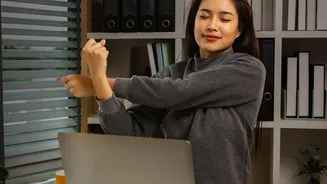
Our bodies are not designed for the prolonged periods of sitting that define many of our work lives. When you sit for hours, especially while focused on a screen, your posture often suffers. Your head drifts forward, causing 'tech neck', your shoulders
round, and your spine compresses. This static, slouched position puts continuous strain on the muscles in your neck, shoulders, and back, leading to stiffness, knots, and pain. Over time, this can weaken postural muscles, tighten hip flexors, and even affect circulation. The solution isn't to quit your job, but to introduce regular movement that counteracts these effects.
Seated Cat-Cow Stretch
This classic yoga movement is excellent for warming up the spine and relieving tension in your back and shoulders. To begin, sit at the edge of your chair with your feet flat on the floor and your hands on your knees. As you inhale, gently arch your back, draw your shoulder blades together, and lift your chest, looking slightly upward (Cow pose). As you exhale, round your spine, tuck your chin to your chest, and draw your navel inward (Cat pose). Continue flowing between these two positions for 5-10 breaths, syncing your movement with your breath to gently mobilise your spine.
Chair Spinal Twist
Twisting poses are fantastic for improving spinal mobility and relieving tension in the upper and mid-back. Sit tall in your chair, facing forward. As you exhale, gently twist your torso to the right, placing your left hand on your right knee and your right hand on the back or side of the chair for support. Use your breath to guide the movement; inhale to lengthen your spine and exhale to deepen the twist. Hold for 20-30 seconds, breathing steadily, before returning to the centre and repeating on the left side. This movement also gently massages your abdominal organs.
Neck and Shoulder Release
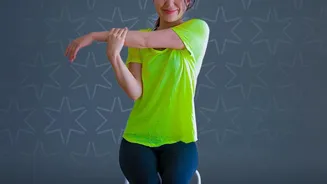
This stretch directly targets the trapezius muscle, which often holds tension from craning towards a screen. Sit tall and gently drop your right ear towards your right shoulder, feeling a stretch along the left side of your neck. To deepen it, you can place your right hand on your head and apply very light pressure, or extend your left arm down towards the floor. Hold for 20-30 seconds while breathing deeply, then slowly return your head to the centre and repeat on the other side. Avoid pulling or forcing the stretch; it should feel relieving, not painful.
Seated Pigeon Pose
Prolonged sitting can lead to incredibly tight hips and glutes, which can contribute to lower back pain. The Chair Pigeon pose is an effective way to open the hips without getting on the floor. While seated, cross your right ankle over your left thigh, just above the knee. Keep your right foot flexed to protect your knee joint. You should feel a stretch in your right glute and outer hip. If you need a deeper stretch, you can gently press down on your right knee or lean forward with a straight back. Hold for 30 seconds, then switch sides.
Chest Opener Stretch
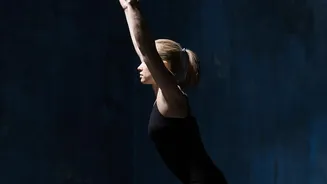
Slouching causes the chest muscles to tighten and the back muscles to weaken. This simple stretch helps reverse that pattern. Sit or stand and interlace your fingers behind your back. Straighten your arms (or as much as is comfortable) and gently squeeze your shoulder blades together. Lift your hands away from your lower back, opening up your chest and the front of your shoulders. Lift your gaze slightly to increase the stretch. Hold this pose for 20-30 seconds, breathing into your chest. This is a powerful antidote to the rounded-shoulder posture many develop at their desks.