

Lush Greenery Without the Downpour
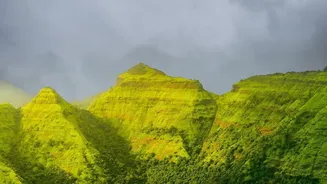
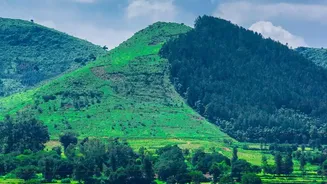
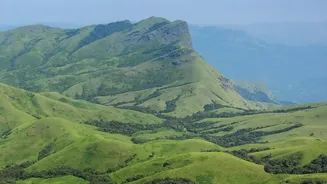
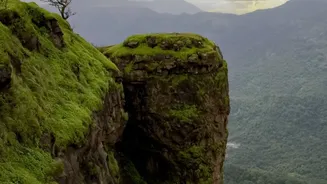
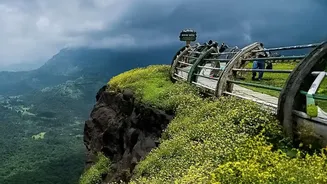
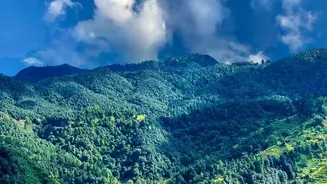
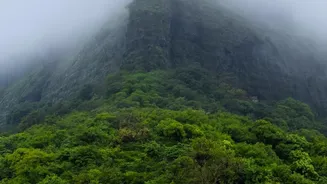
The monsoon carpets the Sahyadris in an electric green, but the incessant rain can make driving treacherous and unenjoyable. The post-monsoon period, from September through November, offers the best of both worlds. The landscape retains its lush, saturated
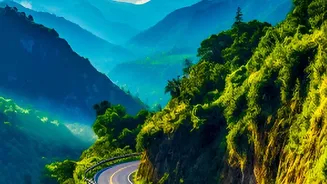
greenery, but the skies are clearer and the weather is far more pleasant. You get to witness the Ghats in their full glory, with rolling green hills and valleys, without having to navigate through blinding rain and fog that often characterize peak monsoon travel. This makes for a relaxing drive where you can actually pull over and soak in the views.
Waterfalls in Their Prime
While the monsoon births countless waterfalls, the post-monsoon season is when they are often at their most majestic and accessible. After months of rain, major cascades like those in Malshej Ghat, Bhandardara, and near Mahabaleshwar are still in full, powerful flow but are less likely to be obscured by heavy mist. Destinations like Randha Falls and Umbrella Falls in the Bhandardara region are particularly spectacular during this time. The roads leading to them are also generally safer, allowing you to enjoy these natural wonders without the risk of dangerous road conditions that heavy rains can cause.
The Blooming Spectacle of Kaas Plateau
One of the most compelling reasons to head to the Ghats post-monsoon is the phenomenal blooming at Kaas Plateau. This UNESCO World Heritage site, often called Maharashtra's 'Valley of Flowers', transforms into a carpet of over 850 species of wildflowers between late August and early October. The timing is perfect for a post-monsoon drive. The plateau is a riot of colours, with different species blooming in waves, meaning the landscape can change dramatically from one week to the next. It is a unique spectacle that is fleeting and entirely dependent on the season, making a September trip truly special.
Safer Roads and Better Accessibility
Peak monsoon in the Western Ghats is notorious for landslides, waterlogging, and dangerously slippery roads. Many smaller roads and trekking paths can become inaccessible or are officially closed by authorities for safety reasons. Post-monsoon, the risk of landslides significantly decreases, and roads that were damaged during the rains are often repaired. This makes for a much safer and less stressful driving experience. You can explore routes like Tamhini Ghat or Malshej Ghat with greater confidence, knowing that the roads are more stable and visibility is vastly improved.
Pleasant Weather and Clearer Views
The period following the monsoon is marked by a significant drop in humidity and pleasantly cool temperatures. The weather is ideal for driving with the windows down and for outdoor activities like short hikes and photography. The constant cloud cover of the monsoon gives way to clearer skies, offering crisp, panoramic views of the valleys and peaks that are often hidden during the rains. For photography enthusiasts, this season provides beautiful light and dramatic landscapes, combining the lingering mist in the valleys with bright, sunny spells.
Fewer Crowds and More Tranquility
Popular destinations like Lonavala, Mahabaleshwar, and Malshej Ghat can get incredibly crowded during the peak monsoon weekends. The post-monsoon period often sees a dip in the number of tourists. This 'shoulder season' allows for a more peaceful experience, whether you're at a viewpoint, a waterfall, or simply driving along the scenic ghat roads. You are more likely to find better deals on accommodation and enjoy the serenity of the mountains without the bustle of large crowds, making it an ideal time for a rejuvenating escape from the city.