

Why Your Gauge Can Be Deceiving
Most common soil moisture meters are simple devices. They operate by measuring electrical conductivity, with the idea that more water in the soil allows for a stronger current. However, this method isn't foolproof. A major issue is the buildup of salts
from fertilizers and even tap water. These salts increase conductivity, tricking the meter into reading "moist" even when the soil is dry. Furthermore, these fragile tools can wear out or break easily, leading to unreliable readings. Improper installation is another frequent culprit; if the probe isn't in good contact with the soil and has air gaps around it, it's measuring air, not moisture, which will skew the results.
One Spot Is Not the Whole Story
A garden pot or bed isn't a uniform block of moisture. Water doesn't spread evenly throughout the soil. A reading taken from one spot doesn't reflect the conditions everywhere in the container. You might place the probe in a pocket of moisture while the plant's main root ball, just a few inches away, is completely dry. The opposite can also happen. The surface might feel dry to the touch, but there could be plenty of water deeper down where the roots actually are. Relying on a single measurement is like judging a whole book by one page; you're missing the complete picture of what your plant is experiencing.
Soil Type Changes Everything
Not all soils are created equal, and this dramatically affects how they hold water. Soil texture—the mix of sand, silt, and clay—is a critical factor. Sandy soils have large particles and drain very quickly. Water runs through them fast, so a gauge might read 'dry' soon after watering, even if moisture has just passed the root zone. Clay soils are the opposite, with tiny particles that hold water tightly. In clay, a gauge might read 'wet' for a long time, but the dense structure can prevent that water from being easily available to the plant's roots. Most standard meters are calibrated for loamy soil, which is a balanced mix, so using them in heavy clay or sandy conditions without understanding this difference can lead to consistent over- or under-watering.
The Most Reliable Tool: Your Finger
Before any fancy gadgets existed, gardeners used the most reliable tool they had: their own hands. The 'finger test' remains one of the best ways to check soil moisture. For most potted plants and garden beds, simply insert your finger about two to four inches into the soil near the plant's base. Don't just test the surface. If the soil feels dry and crumbly at your fingertip, it's time to water. If it feels cool and slightly moist, you can probably wait. This direct method helps you understand the conditions right at the root zone, which is what truly matters for the plant's health.
Beyond the Finger Test
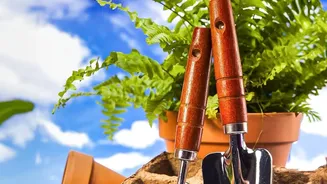
If you don't want to get your hands dirty or need to check deeper, there are other simple, effective methods. A plain wooden stick, like a chopstick or a bamboo skewer, works like a dipstick for your soil. Push it deep into the pot, leave it for a few seconds, and pull it out. If it comes out clean and dry, the soil is dry. If it's damp with soil clinging to it, there's still moisture present. For a more detailed look, you can use a hand trowel to carefully dig a small section and visually inspect the soil several inches down. Moist soil will be darker and hold together when squeezed, while dry soil is lighter and falls apart.
A Smarter Watering Strategy
This doesn't mean you have to throw your water gauge away. Instead, think of it as just one part of your toolkit, not the final word. Use the gauge to get a quick initial idea, but always confirm its reading with a physical check before you reach for the watering can. Take readings from multiple spots in the pot to get a better average. Most importantly, pay attention to your plant. Are the leaves wilting or changing color? Learning your plant's signals, combined with physically checking the soil, is the surest path to providing the right amount of water at the right time. Proper watering is a skill developed through observation, not just by trusting a single reading.