




The joy of a festive spread often comes with a side of guilt over wasted food. But a lavish meal doesn't have to mean a full bin. Strategic planning is the secret to a celebration that's both abundant and sustainable.
Start with a Pantry Audit
Before you write a shopping list,
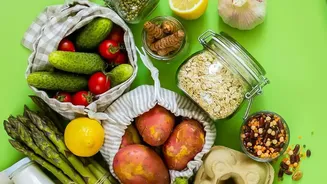
take a full inventory of your pantry, fridge, and freezer. Many of us have hidden treasures like half-used bags of flour, forgotten spices, or a lonely can of chickpeas. Pull everything out, check expiration dates, and organize items so that those nearing their 'use by' date are at the front. This 'first in, first out' method ensures you use what you already have before buying more. This simple step can save you money and spark creative ideas for your menu based on ingredients you need to use up.
Plan Your Menu and Shop with a List
Once you know what you have, plan a realistic menu. Think about how many guests you're serving and plan portion sizes accordingly. It’s often better to make fewer dishes that you know are crowd-pleasers than to offer a massive spread where many items go untouched. After finalising your menu, create a detailed shopping list and, most importantly, stick to it. This prevents impulse buys of items you might not need. A well-planned list is your best defence against overbuying and the stress of a last-minute grocery dash.
Embrace 'Root-to-Stem' Cooking
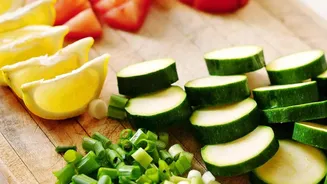
Adopt a 'root-to-stem' philosophy to get the most out of your vegetables. This approach uses the entire vegetable, including parts that are often discarded. For example, the leafy tops of carrots, beets, and radishes can be turned into a delicious pesto or chimichurri. Broccoli stalks, which are often thrown away, are perfect for slicing into stir-fries, shredding into slaws, or even blending into soups. Onion and garlic skins can be saved in the freezer to add rich flavour to homemade broths and stocks. This not only reduces waste but also adds new flavours and nutrients to your dishes.
Choose Multitasking Ingredients
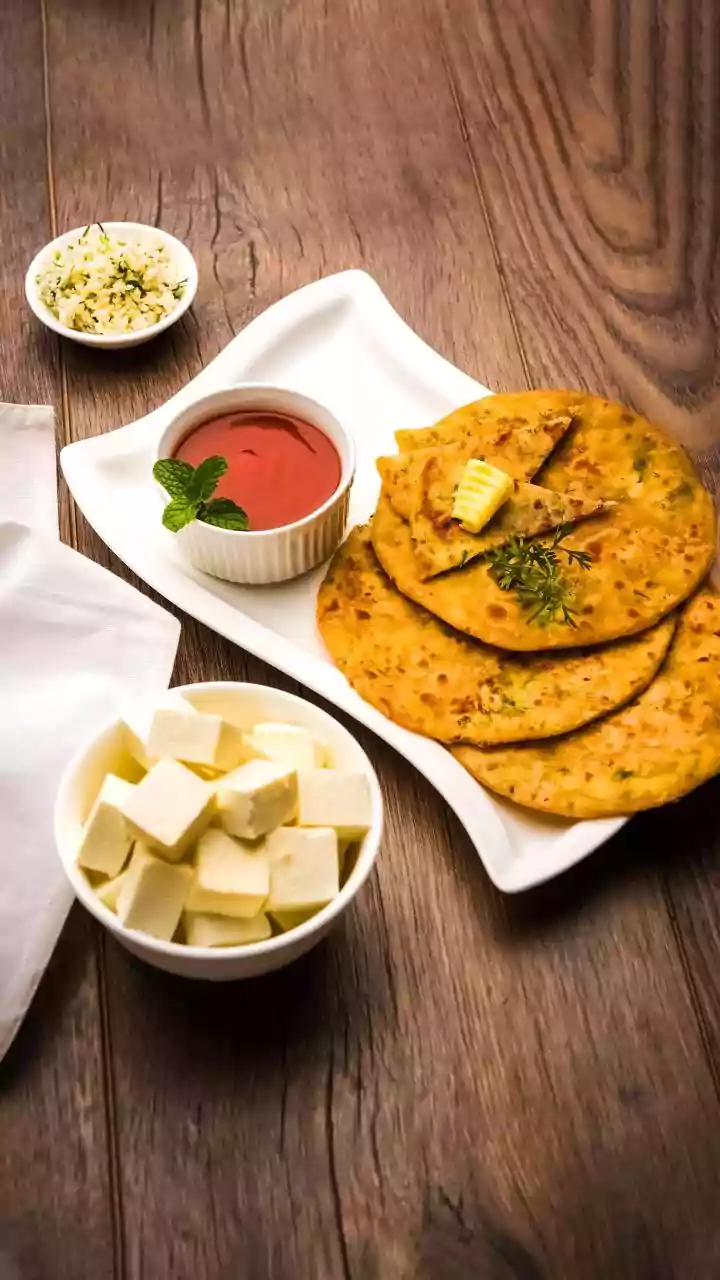
Design your menu around versatile ingredients that can be used in multiple dishes. A large batch of boiled potatoes can become part of a biryani, be mashed for a side dish, or spiced and fried for a chaat. A basic tomato and onion gravy can be the foundation for a paneer dish, a chicken curry, or a dal. This strategy streamlines your prep work and ensures that you use up bulk-bought ingredients efficiently, leaving you with less half-used produce at the end of the festivities.
Plan for Leftovers, Don't Just Let Them Happen
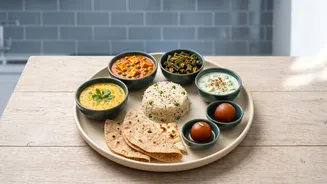
Instead of seeing leftovers as a problem, view them as an opportunity for your next delicious meal. Plan for them in advance. Leftover roast chicken or mutton can be shredded for Frankie rolls or added to cutlets. Cooked rice can be transformed into lemon rice, fried rice, or even crispy rotis. Dal can be used to knead a soft dough for parathas. By thinking about the 'next-day' meal while planning your main feast, you give every bit of food a purpose and make your life easier in the days following the big celebration.
Smart Storage and Sharing
Proper storage is crucial. Have airtight containers ready for leftovers and store them in the fridge promptly to maintain freshness. If you still find yourself with more food than your family can eat, don't let it go to waste. Pack up care packages for your guests to take home. Sharing the bounty is a wonderful festive tradition in itself and ensures that all the love and effort you put into cooking is enjoyed, not discarded.