



A Symphony of Data in a Fiery Descent
A rocket returning to Earth is a flying laboratory packed with sensors. This process, known as telemetry, is the backbone of reusability. During its fiery plunge through the atmosphere, the vehicle's onboard computers collect millions of data points every
second. These include its exact position and velocity from GPS, its orientation from inertial measurement units (IMUs), atmospheric pressure, temperature, and the strain on its physical structure. Specialised antennas must broadcast this data continuously, even through the extreme heat and vibration of reentry, to ground stations and mission control. This constant stream of information provides a moment-by-moment account of the rocket's health and performance, forming the raw material for improving future flights.
From Raw Numbers to Smarter Algorithms
This mountain of data is useless without analysis. After each flight, engineers pour over the telemetry to compare the rocket's actual performance against pre-flight simulations. Discrepancies, no matter how small, are learning opportunities. This data is fed into increasingly sophisticated computer models and, in some cases, machine learning algorithms. These systems can run thousands of simulated landings, using real-world data to tweak the control logic for the vehicle's grid fins and engine burns. While some debate the extent to which true AI is used for primary control, it is clear that algorithms play a crucial role. For instance, SpaceX uses a process called convex optimization, an algorithm that calculates the most fuel-efficient trajectory to the landing pad in real-time. Each mission provides new data that refines these models, making the landing software more robust and adaptable.
Mastering the 'Hovslams' and 'Suicide Burns'
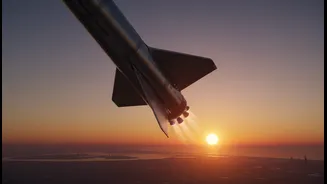
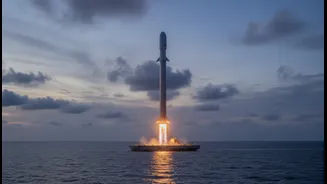
The final moments of a rocket's descent are the most critical. The vehicle must rapidly decelerate from supersonic speeds to a gentle touchdown. This often involves a high-risk maneuver sometimes called a "suicide burn," where the engines relight at the last possible moment to conserve fuel. Perfecting this requires incredible precision. The onboard computer must account for the rocket's mass, atmospheric density, wind, and engine performance with split-second timing. Data from previous landings helps predict how the vehicle will behave in these final seconds. By analyzing tiny variations in engine thrust or how atmospheric drag affected deceleration, engineers can fine-tune the guidance, navigation, and control (GNC) software. This iterative improvement, flight by flight, is how companies like SpaceX have turned what was once a monumental challenge into a seemingly routine event.
Scaling Up for a Future on Mars
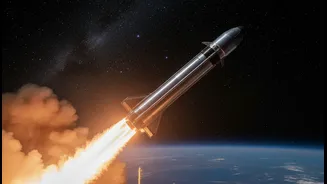
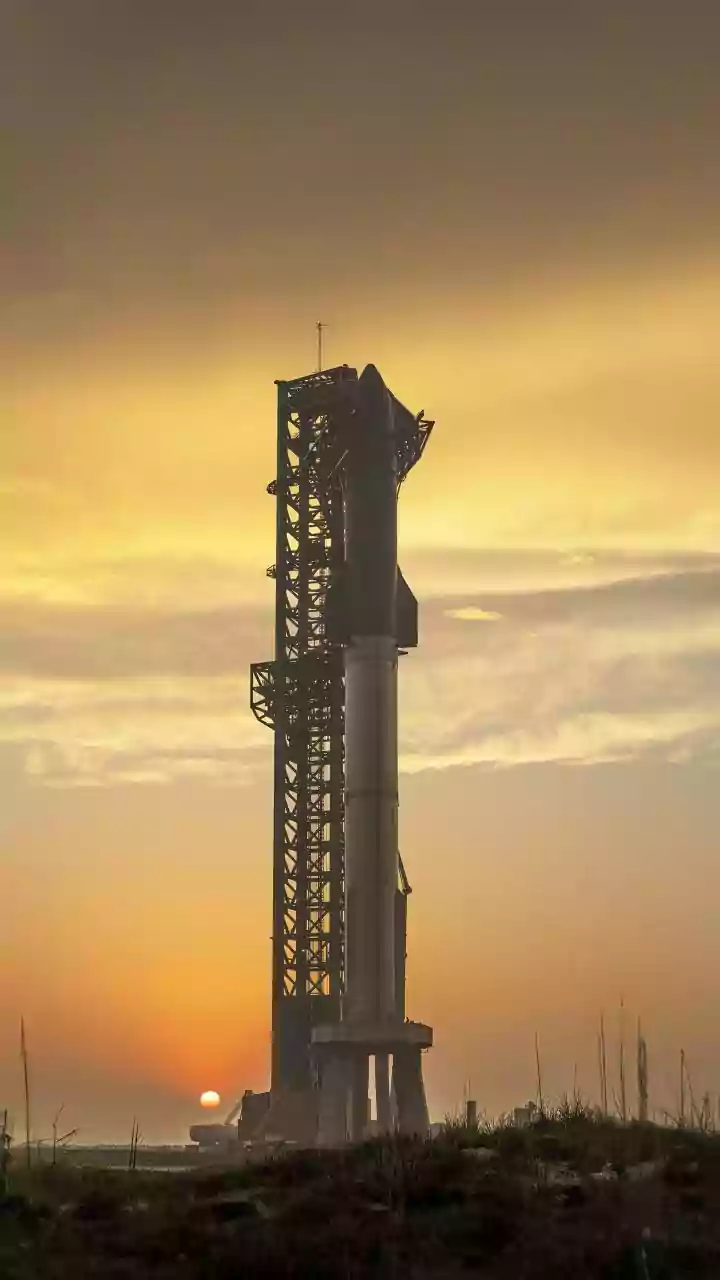
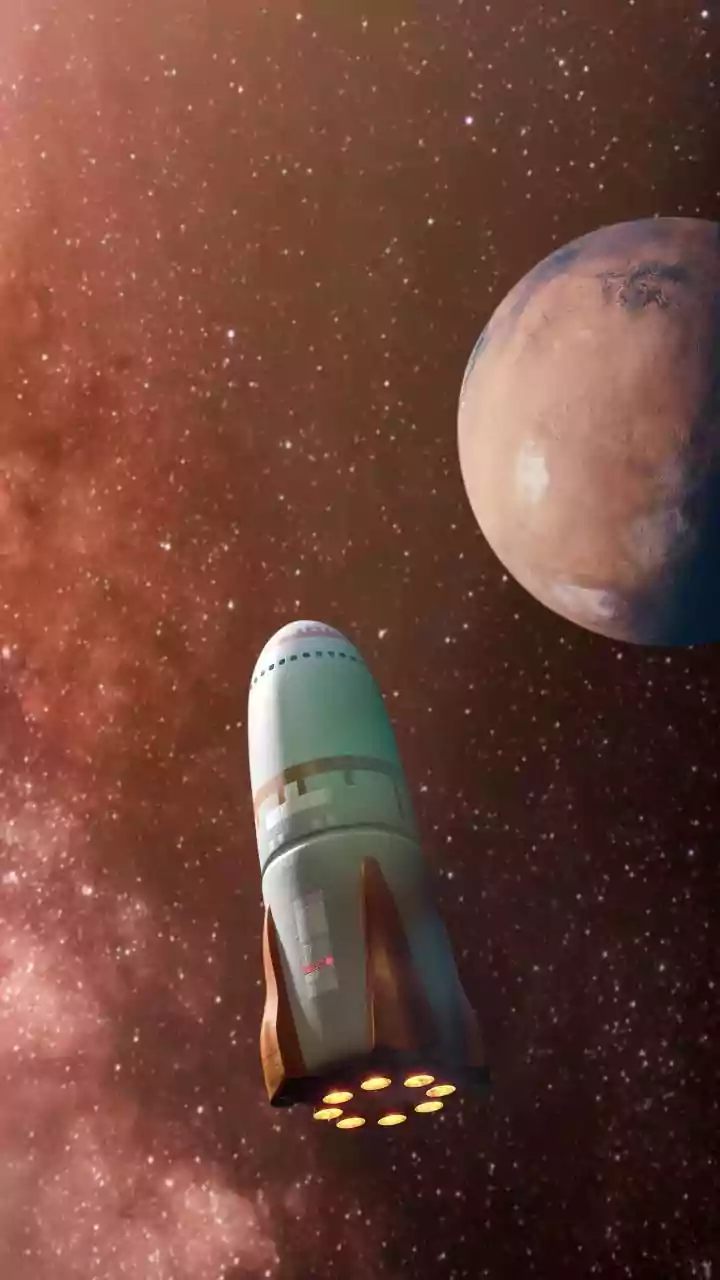
The lessons learned from landing smaller boosters like the Falcon 9 are directly informing the development of the next generation of super heavy-lift vehicles, such as SpaceX's Starship and Blue Origin's New Glenn. These rockets are far larger and more complex, and their successful reuse is essential for ambitious future missions, including building bases on the Moon and sending humans to Mars. Landing a vehicle the size of a building requires even greater precision. The data gathered from dozens of experimental flights and landing attempts allows engineers to build control systems that can handle the immense forces and complex aerodynamics involved. The ability to safely land these massive vehicles, whether on Earth or another planet, depends entirely on the foundation of data built by their predecessors.
The Bottom Line: Cheaper, Safer, and More Frequent
Ultimately, refining landing precision through data has a profound business impact. Every successful recovery and reuse of a rocket booster dramatically lowers the cost of accessing space. Launch costs have already fallen from tens of thousands of dollars per kilogram to below two thousand, a revolution that enables the large-scale deployment of satellite constellations like Starlink. More reliable landings also mean safer missions and increased launch frequency, as hardware can be refurbished and flown again quickly. This creates a virtuous cycle: more flights generate more data, which leads to better landings, which in turn makes spaceflight more affordable and accessible for science, commerce, and exploration.