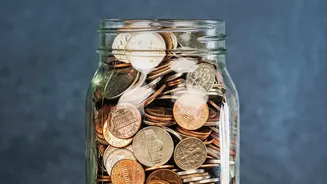








Inflation: Your Money's Shrinking Power
Think of inflation as a quiet thief. It reduces the purchasing power of your money over time. That ₹100 that bought you a good lunch a year ago might only cover the main dish today. For young consumers, this is critical. As prices for essentials like
food, clothing, and housing rise, the money you earn doesn't stretch as far. India’s retail inflation rose to 4.45% in July 2026, driven by higher food and fuel costs. While the Reserve Bank of India aims to keep this in check, even moderate inflation means your budget needs to work harder. This pressure is felt most by those on fixed incomes or just starting their careers, making it tougher to save and build wealth.
The Oil Effect: More Than Just Petrol Prices
India imports about 85% of its crude oil, making the economy highly sensitive to global price swings. When prices spike, as they have recently, hovering near $97 a barrel due to geopolitical tensions, the impact goes far beyond the petrol pump. Transportation costs for businesses increase, which means everything from vegetables to electronics becomes more expensive to move. This gets passed on to you, the consumer. Economists warn that if crude oil stays above $90 a barrel for a sustained period, it could trigger higher inflation across the board and even slow down economic growth. So, when you see oil prices moving, watch for the ripple effect on your grocery bills and the cost of consumer goods.
Your Lifestyle: Wants vs. Needs
Rising costs force tough choices between 'needs' and 'wants'. Elevated food inflation can absorb a larger part of your disposable income, leaving less for discretionary spending. This is where young consumers feel the pinch on their lifestyle. Reports from the first half of 2026 showed that young Indians were spending significantly on experiences like travel and entertainment. However, sustained inflation could put a damper on this trend. Plans for a weekend getaway, a new smartphone, or frequent dining out might need to be re-evaluated as your budget gets squeezed. While aspirational spending is on the rise, with many trading up for premium products, ongoing inflation could make consumers more cautious.
Savings and Investments: The Silent Challenge
Inflation doesn't just make things more expensive; it also erodes the value of your savings. Money sitting in a low-interest savings account effectively loses value when inflation is high. This makes it crucial for young investors to think strategically. To beat inflation, your investments need to generate returns that are higher than the inflation rate. This might mean exploring options beyond traditional fixed deposits, such as equities or mutual funds, which have the potential for higher growth but also come with more risk. Higher inflation often leads the RBI to increase interest rates, which makes loans for cars or homes more expensive but can offer better returns on some savings instruments.
The Job Market and Your Salary
Finally, keep an eye on the job market. Persistent inflation often leads to employees demanding higher wages to cope with the increased cost of living. While India's economy has shown resilience, with strong growth in the first quarter of 2026-27, companies also face rising input costs. For young professionals, this creates a dual scenario. On one hand, it might be the right time to negotiate a salary that keeps pace with inflation. On the other, businesses squeezed by high costs could become more cautious with hiring or salary hikes. Watching trends in your industry can help you understand your position and plan your career moves more effectively.