






The New 30-Day Visa Exemption Rule
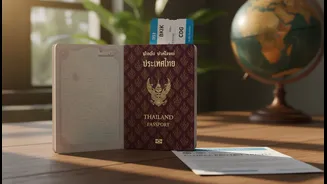
In a decision made in mid-July 2026, the Thai cabinet confirmed that Indian passport holders can enter Thailand without a visa for a period of up to 30 days. This move clarifies the situation after an earlier proposal to end the visa-free scheme caused
a decline in tourist arrivals from India. The new 30-day permission aligns the rule for Indian travellers with that of many other nationalities, including all 27 EU member states. This visa exemption is intended for tourism purposes only. If you plan to stay longer, you must explore other options like applying for a 60-day tourist visa in advance through the official Thai e-Visa portal.
Your Essential Entry Document Checklist
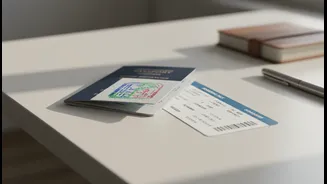
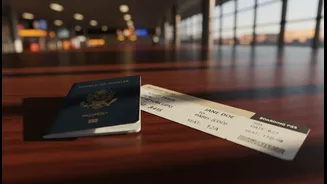
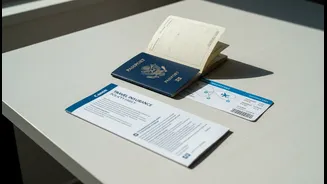
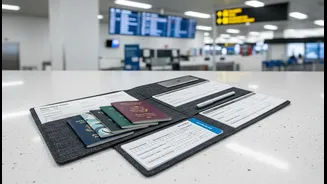
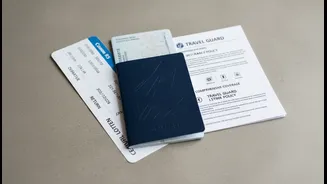
To ensure a smooth arrival, every traveller must have their documents in order before heading to the airport. First, your passport must have at least six months of validity remaining from your date of entry into Thailand. Second, you must have proof of a confirmed return or onward ticket showing that you plan to exit the country within your 30-day permitted stay. Immigration officials may ask to see this. Third, be prepared to show proof of accommodation, such as hotel booking confirmations for your trip. Finally, and crucially, all foreign visitors must now complete the Thailand Digital Arrival Card (TDAC) online. This is a free process that must be done through the official government website within 72 hours before your arrival. Once completed, you will receive a QR code to present at immigration.
Understanding the Proof of Funds Requirement
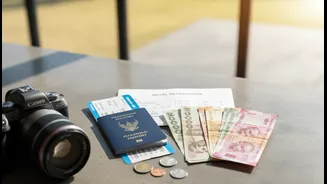
One of the most important but often overlooked rules is the requirement to prove you have sufficient funds for your stay. Thai immigration officers have the discretion to ask any tourist to show this proof upon arrival. While checks are random, it's essential to be prepared. For travellers entering under the visa exemption scheme, the general guideline is to have funds equivalent to 10,000 Thai Baht per person or 20,000 Baht per family. Some advisories specifically for Indian travellers suggest being ready to show 20,000 Baht per person. This proof can be in the form of cash in Baht or another major currency, or through accessible funds shown on a recent bank statement or a loaded travel card. The Tourism Authority of Thailand recently issued a reminder about this long-standing rule to help travellers avoid any issues at the border.
Airports vs. Land Borders: What's Different?
How you enter Thailand can affect the level of scrutiny you face. Generally, arriving by air at an international airport like Bangkok or Phuket is a more streamlined process with organized queues and faster processing times, typically 15 to 30 minutes. In contrast, entering at a land border from a neighbouring country can be slower, with longer queues and potentially stricter checks from immigration officers. Officials at land crossings may be more likely to conduct a detailed review of your documents, including your onward travel tickets and proof of funds. Furthermore, it is important to note that historically, there have been limits on how many times a person can enter Thailand via a land border using a visa exemption in a single calendar year, a measure to prevent misuse of the system. Always use designated border crossings and have all your paperwork easily accessible.
At the Immigration Counter: A Smooth Process
When you arrive at the immigration counter, the officer’s goal is to verify that you are a genuine tourist. Have your passport, boarding pass, and the QR code from your TDAC registration ready. The officer will scan your passport and take a photo. They may ask simple questions about the purpose of your trip, how long you plan to stay, and where you will be staying. Answer politely and confidently. If they ask for your onward flight ticket, accommodation bookings, or proof of funds, present the documents clearly. Once satisfied, the officer will place an entry stamp in your passport indicating the date you arrived and, most importantly, the date by which you must depart. Always double-check this date before leaving the counter to ensure there are no errors.