




The Tandoor: The Fiery Secret
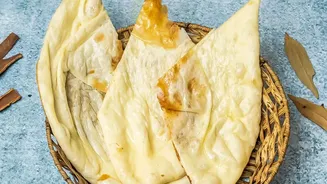
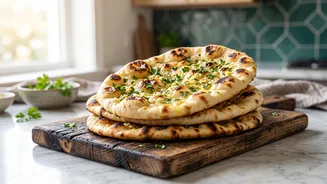
The primary reason restaurant breads like naan and kulcha have a distinct texture and taste is the tandoor. This traditional clay oven can reach temperatures exceeding 480°C, cooking the bread in minutes. When the dough is slapped onto the hot clay walls,
the intense, direct heat causes the moisture within to turn to steam almost instantly, puffing the bread up to create its signature soft interior and bubbly, charred exterior. Most conventional home ovens, which typically max out around 250°C, simply cannot create this specific environment. The slower, drier heat of a home oven often results in a bread that is denser and flatter, lacking that coveted pillowy chewiness. It’s this heat difference, more than any single ingredient, that has historically created the divide between professional and home-cooked Indian breads.
Hacking the Heat at Home
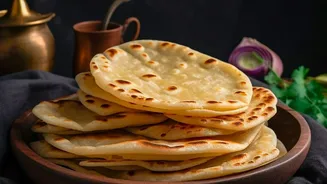
The good news is that home cooks have become incredibly creative in mimicking the tandoor's high-heat environment. The most popular and effective method involves a cast-iron skillet or a traditional tawa. By heating the pan until it's scorching hot on the stovetop, you can achieve a rapid bake on the bread's underside. For the top, some clever cooks flip the entire pan upside down over a gas flame, allowing the direct heat to blister and char the surface, much like a tandoor would. Another successful approach uses a pizza stone or baking steel. Placed in a domestic oven and preheated for at least 30-45 minutes at the highest possible temperature, these tools store and radiate intense heat, giving the dough a powerful initial blast that helps it puff up dramatically. Combining this with a final few seconds under the broiler can create a surprisingly authentic char.
It's All in the Dough
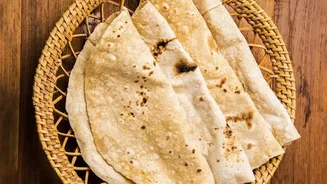
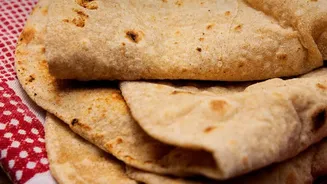
While heat is critical, the dough itself is the foundation of a great naan. Unlike everyday rotis made with whole wheat flour (atta), restaurant-style breads use refined all-purpose flour (maida) for a lighter, softer texture. Furthermore, this is an enriched dough. Ingredients like full-fat yogurt, milk, and a touch of oil or ghee are essential. The acidity in the yogurt tenderizes the gluten, resulting in a softer, more pliable bread with a subtle tangy flavour. Leavening is also key. While some recipes use yeast and require an hour or more of proofing time, a new wave of approachable home recipes opts for a combination of baking powder and baking soda. This provides a reliable lift without the long wait, making a batch of fresh naan a feasible weeknight project rather than a weekend-only affair.
Beyond the Plain Naan
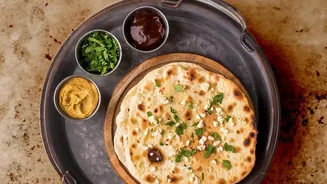
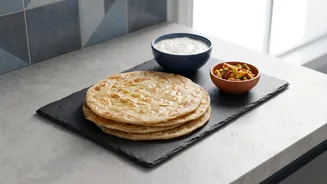
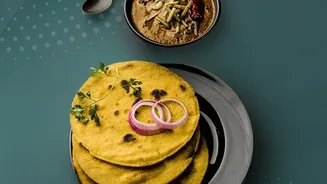
This home-cooking evolution isn't limited to just plain or butter naan. The same principles and techniques are empowering people to tackle a wider variety of breads previously reserved for restaurant orders. Stuffed kulchas, for instance, are seeing a surge in popularity. These breads, often filled with spiced potatoes (aloo kulcha) or paneer, can be made using the same tawa or oven methods. The key is to roll them carefully to avoid tearing the dough. Similarly, you can easily flavour your dough or topping with garlic, fresh coriander, or nigella seeds (kalonji) before cooking to create your own custom versions. This new confidence is transforming the home kitchen into a space of delicious experimentation, closing the gap between what we love to eat out and what we feel capable of making ourselves.