





From Aesthetics to Longevity
For years, Indian fitness culture was heavily influenced by the goal of aesthetics—building bigger muscles and chasing a specific body type. That narrative is now fracturing. [16] Today, the focus is shifting towards functional fitness, mobility, and longevity.
[16] Young professionals in urban centres are realising that one hour in the gym cannot undo the effects of a nine-hour sedentary workday. [21] As a result, activities like functional training, Pilates, and mobility workouts are gaining rapid popularity. [16] This new approach prioritises flexibility, balance, and preventing injury over simply gaining muscle, reflecting a move towards sustainable, long-term health. [6, 21]
The Rise of Holistic Wellness
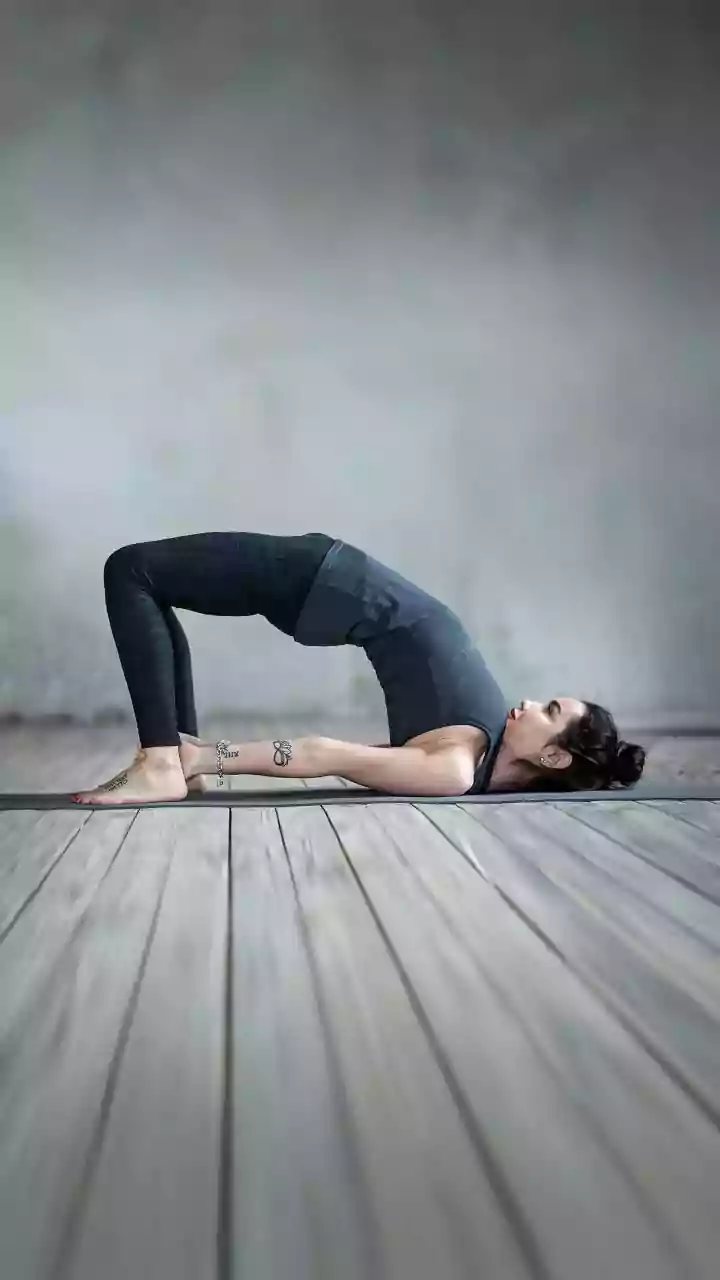
A significant part of this new wave is the integration of mental and physical health. [22] The Gen Z definition of health extends beyond physical endurance, with a strong emphasis on emotional balance. [22] This has mainstreamed practices like yoga, meditation, breathwork, and journaling, which are now seen as essential components of a fitness routine, not optional extras. [6, 15] This holistic view is a notable departure from workout plans that focused solely on physical outcomes. [15] For this generation, fitness is a lifestyle that supports everything from mental well-being to having the energy for long hours of work or study. [17]
Tech, Trackers, and At-Home Workouts
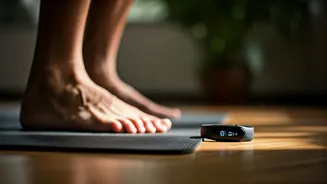
Technology is a key enabler of this fitness shift. [23] Wearable devices like smartwatches and fitness bands have become integral, helping users monitor everything from steps and heart rate to sleep quality. [7, 19] A study noted that more than three-quarters of Gen Z respondents use mobile apps or wearables to track physical activity. [22] These tools offer personalised workout plans, real-time feedback, and the convenience to exercise anywhere, anytime. [15, 9] The pandemic accelerated this trend, with a massive increase in on-demand and live-streamed workout videos. [5] This has made fitness more accessible, convenient, and tailored to individual goals and schedules. [4, 5]
Community, Not Just Competition
While solo workouts have their place, there's a growing preference for community-centric fitness. Boutique studios specializing in formats like HIIT, dance fitness, MMA, and Pilates are the fastest-growing segment of the Indian fitness market. [3, 11] These smaller studios offer a more intimate, fun, and intense experience that many find more satisfying than a traditional gym. [18] This trend also extends to group activities and sports, with running clubs and social sports like pickleball becoming new social circles. [21, 25] Data shows that members who work out with a partner have significantly higher attendance, highlighting the power of community in maintaining consistency. [14] For many young women in particular, community-driven group classes have become the preferred way to stay active. [14]