







Why Your Body Needs a Monsoon Reset
According to both traditional Ayurvedic wisdom and modern nutritional science, the monsoon season puts a unique strain on our digestive system. The high humidity can slow down our metabolic rate, making it harder for our bodies to process heavy meals.
This is often referred to in Ayurveda as an aggravation of the 'Vata' dosha, leading to issues like bloating, gas, and indigestion. Furthermore, the damp environment is a breeding ground for bacteria and viruses, increasing the risk of water-borne and food-borne illnesses. Your gut is your first line of defence, and a compromised digestive system means weaker immunity. This is why simplifying your diet isn't just about comfort; it's a strategic move to keep you healthy.
Embrace the 'Light and Cooked' Philosophy
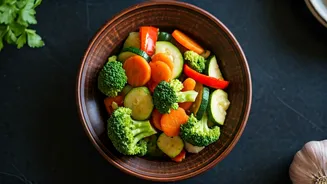
So, what does 'simple food' mean in the monsoon context? It boils down to two principles: light and cooked. Heavy, oily, and fried foods, which we so often crave, are the hardest for our sluggish monsoon digestion to handle. Instead, focus on meals that are easy on the stomach. This is also not the time for an all-raw salad diet. Raw vegetables can carry microbes and be harder to digest. The smart choice is to opt for steamed, boiled, or lightly sautéed foods. A warm, freshly prepared meal is not only comforting on a rainy day but also significantly safer and easier for your body to break down and absorb nutrients from.
Your Go-To Grains and Lentils
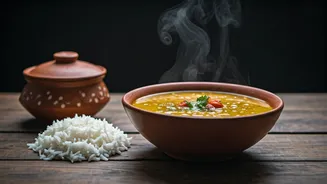
The foundation of a simple monsoon diet lies in choosing the right staples. This is where classic Indian comfort food shines. Khichdi, made from rice and moong dal, is perhaps the perfect monsoon meal—it's a complete protein, incredibly easy to digest, and very gentle on the gut. Other excellent choices include old-fashioned barley (jau), which helps cleanse the stomach, and light preparations of millets. When it comes to lentils, prioritise lighter dals like moong and masoor over heavier ones like chana or rajma. A simple dal, a portion of steamed rice, and a cooked vegetable is a balanced, nourishing, and monsoon-friendly plate.
Be Smart About Your Vegetables
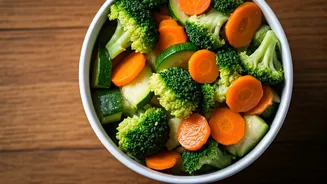
While vegetables are essential, your choices need to be more deliberate during the monsoon. Leafy greens like spinach and cabbage, which grow close to the ground, can be laden with mud, moisture, and germs that are difficult to wash off completely. If you do have them, ensure they are blanched in hot water before cooking. A safer bet is to focus on gourds. Vegetables like lauki (bottle gourd), turai (ridge gourd), parwal (pointed gourd), and even pumpkin and sweet potato are excellent. They are high in fibre, have high water content, and are easy to digest when cooked. Steaming or making a simple sabzi or soup with them is a great way to get your nutrients without stressing your system.
Lean on Immunity-Boosting Spices
Your kitchen masala box is your best friend during the monsoon. Indian spices are not just for flavour; they are packed with anti-inflammatory and anti-bacterial properties. Turmeric (haldi) is a powerful immunity booster. Ginger (adrak) and garlic (lehsun) are fantastic for fighting infections and aiding digestion. A pinch of black pepper (kali mirch) helps in the absorption of nutrients and keeps congestion at bay. Incorporate these generously into your daily cooking. A warm cup of herbal tea made with ginger, tulsi, and a dash of honey can be a soothing and protective daily ritual.
Hydrate Wisely and Snack Smarter
It's easy to drink less water when the weather is cool, but staying hydrated is crucial to flush out toxins. However, opt for boiled or filtered water to avoid contaminants. Instead of cold drinks or juices, sip on warm water, herbal teas, or clear soups (like a simple vegetable broth). And when the 4 PM snack craving hits? Instead of reaching for street-side samosas, try healthier alternatives like roasted corn (bhutta), a bowl of soup, or steamed sprouts. It's about finding a balance that satisfies your cravings without compromising your health.