




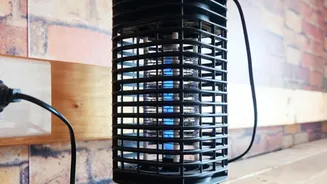
The Pest Problem in the Concrete Jungle
Urban agriculture is booming, transforming rooftops, warehouses, and vacant lots into green, productive spaces. But with this growth comes a familiar agricultural foe: pests. In dense city environments, using traditional chemical pesticides is often undesirable
or heavily restricted due to the proximity of people, homes, and businesses. Runoff can affect urban waterways, and spraying can impact non-target species, including vital pollinators. This has left many urban farmers searching for effective, non-toxic ways to protect their crops, creating a major business challenge for this growing sector.
The Science of a 'Bad Vibe'
Enter the world of sonic pest control. The concept isn't about blasting pests with loud, audible noise, but rather using specific, often low, frequencies that are imperceptible to humans. This technology, rooted in the study of vibroacoustics, creates an environment that pests find irritating, disorienting, or threatening. The idea is to make the area so uncomfortable that pests simply choose to leave. Think of it like a constant, imperceptible hum that messes with their nervous system, communication, and ability to navigate, essentially creating a 'sonic shield' around the crops. It’s a move away from chemical warfare and toward creating an environment that is simply uninhabitable for unwanted guests.
How Sound Repels Different Pests
The effectiveness of sound-based deterrents is highly dependent on the target pest and the specific frequency used. For some insects, certain ultrasonic frequencies (above 20 kHz) can disrupt their nervous systems, interfere with mating signals, or jam their ability to sense their surroundings. For example, studies have shown that specific high frequencies can have a repellent and even lethal effect on German cockroaches. For other pests, like certain rodents, the sound mimics a threat or creates so much stress that they avoid the area entirely. In some applications, particularly for burrowing animals like moles, it’s not just airborne sound but physical vibrations in the soil that act as the primary deterrent. However, the scientific consensus is clear that one frequency does not fit all, and success requires a targeted approach.
From the Lab to the Lettuce Patch
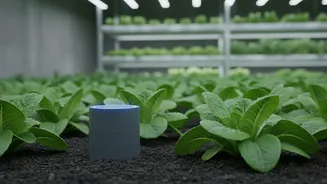
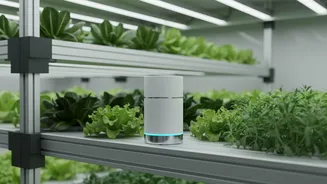
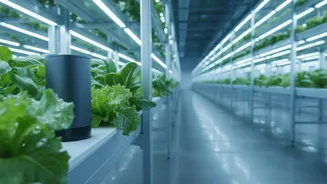
While the idea of sonic pest repellers for home use has a shaky reputation, with many commercial devices proving ineffective, the application in controlled agricultural settings shows more promise. Research in greenhouse environments, which closely mimic many indoor urban farms, has found that ultrasonic signals in specific ranges can show high efficacy against certain pests. The key difference is the use of powerful, calibrated systems designed for a specific space and pest, rather than a one-size-fits-all consumer gadget. These ag-tech solutions can vary frequencies to prevent pests from getting used to the noise and can be integrated with other non-chemical methods, like physical barriers or biological controls, for a multi-layered defense. The goal is to create a comprehensive, eco-friendly pest management system that supports the sustainable ethos of urban farming.
The Future of Sonic Farming
The potential for sound-based pest management in urban agriculture is significant. It offers a solution that is chemical-free, non-toxic to humans and pets, and leaves no harmful residue on crops or in the soil. This aligns perfectly with the consumer demand for clean, locally grown food. However, challenges remain. The technology requires more research to determine the optimal frequencies for a wider range of agricultural pests, and the cost of professional-grade systems can be a barrier for smaller urban farms. Furthermore, pests can sometimes adapt to consistent sounds, meaning systems must be sophisticated enough to prevent habituation. Despite these hurdles, the technology represents a fascinating frontier in ag-tech, promising a future where farms can be protected by a quiet, invisible shield of sound.