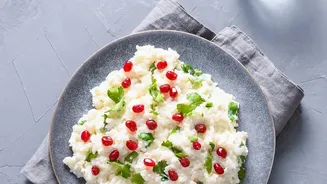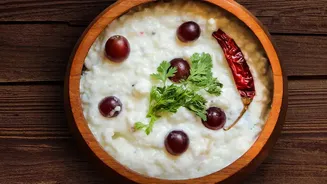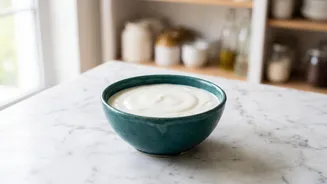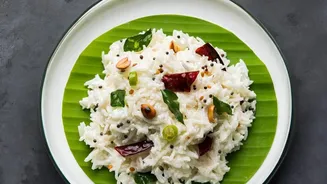



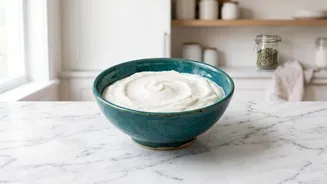


As winter arrives, a familiar question enters Indian kitchens: is it safe to eat curd? This creamy staple, loved for its cooling properties in summer, is often viewed with suspicion in colder months. Let's settle the debate and find out.
The Age-Old Warning: An Ayurvedic Perspective
In many households,
the advice to avoid curd in winter is rooted in Ayurvedic principles. According to some Ayurvedic texts, curd can increase the 'Kapha' dosha in the body. Kapha is associated with qualities of coldness, heaviness, and mucus. The belief is that consuming curd, especially at night or when it's cold, can lead to an excess of Kapha, potentially causing respiratory issues like coughs, colds, and sinus congestion. This is why elders often caution against it, particularly for those who are already prone to such ailments. However, some Ayurvedic experts also note that curd is 'ushna' or heating in nature and that the digestive fire ('agni') is stronger in winter, making it a good time to digest heavier foods like curd, provided it is consumed during the day.
The Scientific Take: A Probiotic Powerhouse
Modern nutrition science offers a different perspective. Far from being a winter foe, curd is celebrated as a probiotic powerhouse that can actually boost your health during the colder season. It's packed with beneficial bacteria, like lactobacillus, which support a healthy gut. Since a significant portion of your immune system resides in your gut, consuming curd can help strengthen your body's defenses against seasonal illnesses and infections. Furthermore, curd is a fantastic source of essential nutrients like calcium, protein, potassium, and vitamins B2 and B12, which are vital for bone health, muscle maintenance, and overall energy.
Myth vs. Reality: Does Curd Cause Colds?
Let's be clear: curd itself does not cause colds or coughs. These illnesses are caused by viruses, not food. There is no scientific evidence to suggest that curd contains or creates the viruses responsible for the common cold. The discomfort some people feel might be related to the temperature of the curd. Eating any food straight from the refrigerator can sometimes irritate a sensitive throat. For some individuals, especially those with existing respiratory conditions, consuming dairy might give the sensation of mucus feeling thicker, but this is an individual response and not the cause of an infection.
The Smart Way to Eat Curd in Winter
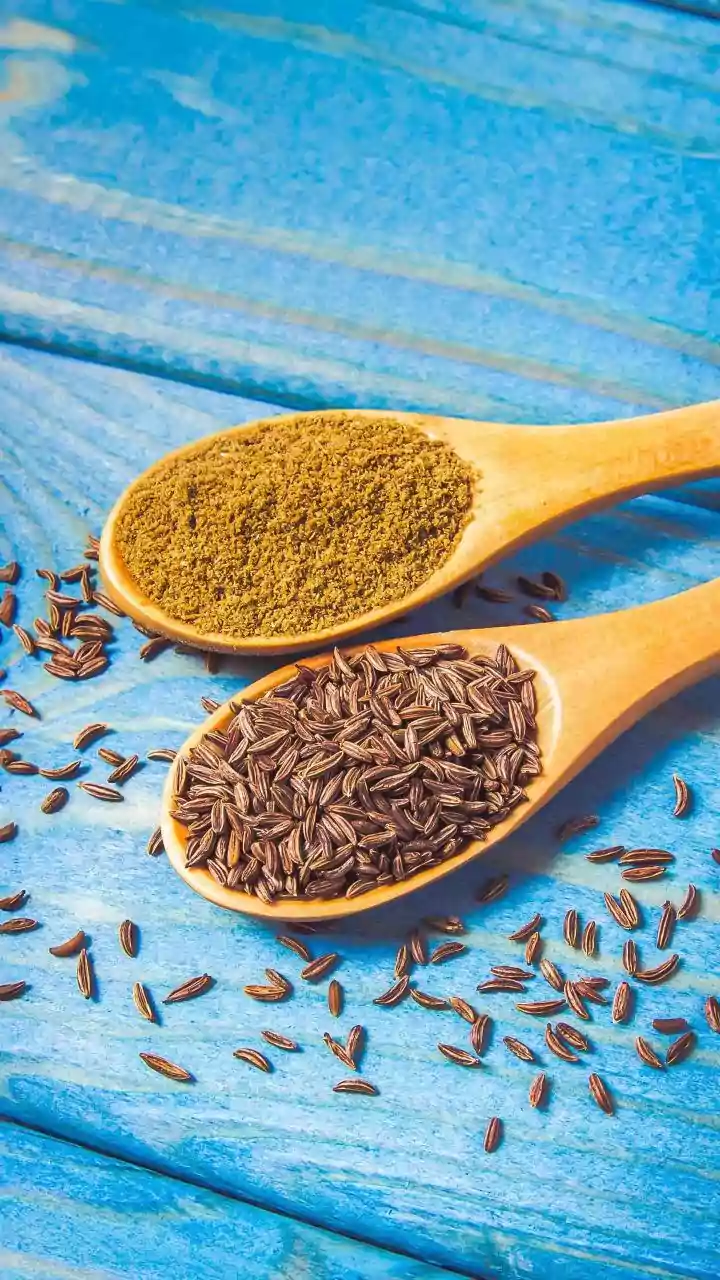
The consensus among nutritionists and even modern Ayurvedic practitioners is that you don't need to give up curd in winter; you just need to be smart about how you eat it. The key is to balance its cooling properties and consume it at the right time. The most important rule is to avoid eating curd straight from the refrigerator. Let it sit out and come to room temperature first. The best time to consume it is during the day, preferably with your lunch, when your digestive system is at its most active. Ayurveda strictly advises against eating curd at night, as it is believed to be heavier to digest and can lead to mucus buildup. Another great tip is to add warming spices. A pinch of roasted cumin (jeera) powder, black pepper, or a bit of ginger can help counteract its cooling nature and aid digestion.
Who Should Still Be Cautious?
While curd is generally safe for most people, those with specific health conditions should exercise caution. Individuals with asthma, chronic sinusitis, or those who are already suffering from a severe cough and cold might find that consuming curd, especially if it's cold, can aggravate their symptoms. In these cases, it might be best to limit intake or avoid it temporarily until the symptoms subside. Ultimately, listening to your own body is crucial. If you consistently feel discomfort after eating curd, it's wise to take a break and consult a professional.