





1. Ignoring Weather and Local Alerts
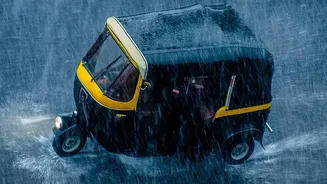
One of the biggest mistakes is treating monsoon rain as a minor inconvenience instead of a major travel factor. Weather in India can change rapidly during this season, with heavy downpours leading to flash floods, landslides, and waterlogging, especially
in hilly or coastal areas. Ignoring official alerts from weather departments or local authorities can lead you directly into unsafe situations, such as closed roads or cancelled ferries. Always check the forecast for your route and destination before you leave and have a reliable way to receive updates during your trip.
2. Packing an Inflexible Itinerary
Monsoon travel demands flexibility. Delays are common, whether it's a flight grounded by poor visibility, a train slowed by flooded tracks, or a highway blocked by a landslide. A tightly packed schedule with no buffer days is a recipe for disaster. If one connection is missed, the entire plan can collapse. The wise approach is to build extra time into your travel days. Have backup plans, such as indoor activities like visiting a museum or a cafe, in case a downpour ruins your outdoor sightseeing.
3. Choosing the Wrong Destination
While many parts of India are beautiful during the monsoon, some are best avoided. Regions prone to severe flooding, like parts of Assam or cities like Mumbai, can become challenging to navigate. Hilly areas in states like Himachal Pradesh and Uttarakhand are susceptible to landslides that can shut down roads for days. Conversely, some regions like Ladakh or the Deccan Plateau receive less rainfall and make for excellent monsoon destinations. Research your destination’s monsoon patterns before booking to avoid disappointment.
4. Packing the Wrong Clothes and Footwear
Cotton jeans and canvas shoes might be your go-to, but they are your worst enemies in the monsoon. They absorb water, take forever to dry, and can lead to discomfort and fungal infections. The smart traveller packs lightweight, synthetic, and quick-drying clothes. For footwear, rain-proof sandals or floaters with a good grip are essential for walking on slippery, waterlogged streets. A sturdy, windproof umbrella and a lightweight raincoat are non-negotiable items to keep you dry and comfortable.
5. Disregarding Health and Hygiene
The monsoon season brings an increased risk of water-borne and mosquito-borne diseases like dengue, malaria, and stomach infections. Contaminated water is a major concern, so it's crucial to drink only bottled or purified water and avoid street food that may have been prepared in unhygienic conditions. Always carry a mosquito repellent, especially during the evening. It's also wise to pack a basic first-aid kit with medications for common ailments like fever, cold, and stomach upsets.
6. Not Protecting Your Electronics
High humidity and sudden downpours are a deadly combination for your expensive gadgets. A regular backpack won't be enough to protect your phone, camera, and laptop from moisture. Invest in a waterproof backpack or at least a reliable rain cover for your bag. For smaller electronics and important documents like your passport, use waterproof pouches or zip-lock bags as an extra layer of defence. Tossing in a few silica gel packets can also help absorb excess moisture inside your bags.
7. Depending on a Single Mode of Transport
Putting all your faith in a single travel plan can be risky. A road trip through the mountains might seem scenic, but landslides can leave you stranded. Similarly, flights and trains are frequently delayed or cancelled due to extreme weather. When planning your trip, research alternative routes and modes of transport. For instance, if you are travelling between major cities, check both train and flight schedules. Having a Plan B isn't pessimistic; it's a practical necessity for smooth monsoon travel.