

The Double-Edged Sword of Popularity
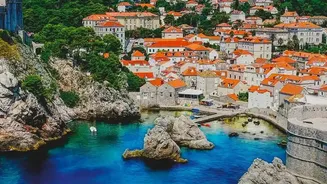
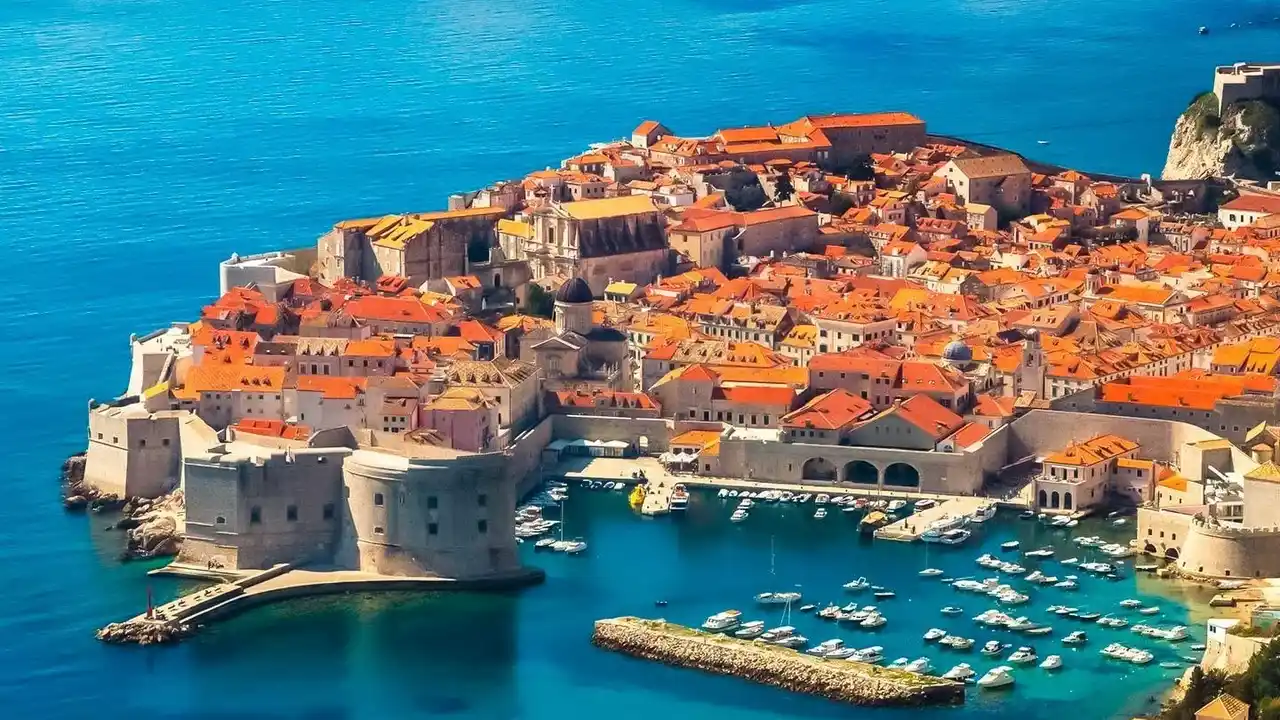
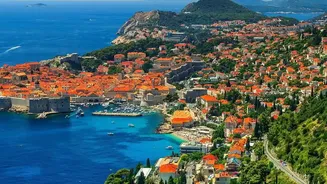
From the medieval walls of Dubrovnik, made famous by 'Game of Thrones', to the cascading waterfalls of Plitvice Lakes National Park, Croatia's beauty is no secret. This global recognition, fueled by cruise ships and affordable flights, has led to a surge
in visitors. While vital for the economy, this phenomenon of 'overtourism' can diminish the very magic that travellers come to experience. During peak months, iconic spots can become a frustrating shuffle of selfie sticks and tour groups, leaving little room for quiet contemplation. The challenge for any visitor is to navigate this popularity without missing out on the country's authentic charm.
Navigating the Famous Hotspots
Certain locations feel the pressure more than others. In Dubrovnik, the city walls and main street, Stradun, can be overwhelmed, especially between 10 a.m. and 5 p.m. when cruise passengers are in town. Similarly, Plitvice Lakes National Park sees its narrow wooden boardwalks packed during midday hours in July and August. In Split, the grounds of Diocletian's Palace become a bottleneck, and on the island of Hvar, the main town transforms into a bustling party hub. Knowing what to expect is the first step; these places are popular for a reason, but visiting during peak times requires patience and a tolerance for crowds.
Strategy 1: Beat the Clock
One of the most effective strategies is also the simplest: adjust your timing. Visiting popular attractions during the 'shoulder season'—May, early June, September, or October—offers pleasant weather with significantly fewer people. If you must travel in the summer, aim to be the first person through the gates in the morning or one of the last to leave in the evening. The hours just after sunrise and before sunset are often blissfully calm. For example, walking Dubrovnik's walls at 8 a.m. is a completely different experience than at noon. The same principle applies to Plitvice Lakes, where the trails are peaceful in the early morning before tour buses arrive.
Strategy 2: Explore Beyond the Postcards
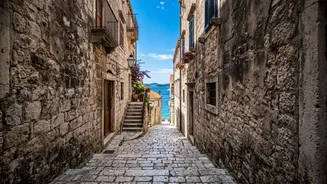
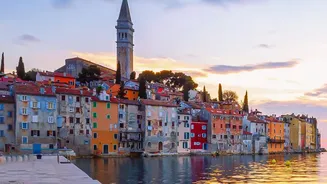
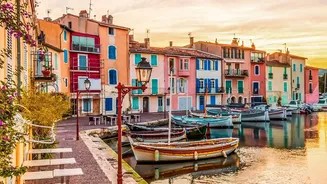
Croatia offers countless beautiful alternatives to its most famous spots. Instead of Dubrovnik, consider the nearby town of Cavtat, which has a similar picturesque harbour but a more relaxed feel. The city of Šibenik offers a stunning medieval center and two UNESCO sites without the same level of congestion. For a less crowded island experience than Hvar, look to the islands of Vis or Korčula. Vis, a former military base, remains remarkably unspoiled, while Korčula, often called 'Little Dubrovnik', provides a similar historic atmosphere on a more manageable scale. The Istrian peninsula in the north, with its charming hilltop towns like Motovun and Rovinj, offers a completely different, quieter vibe.
Strategy 3: Think and Travel Differently
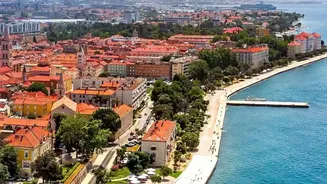
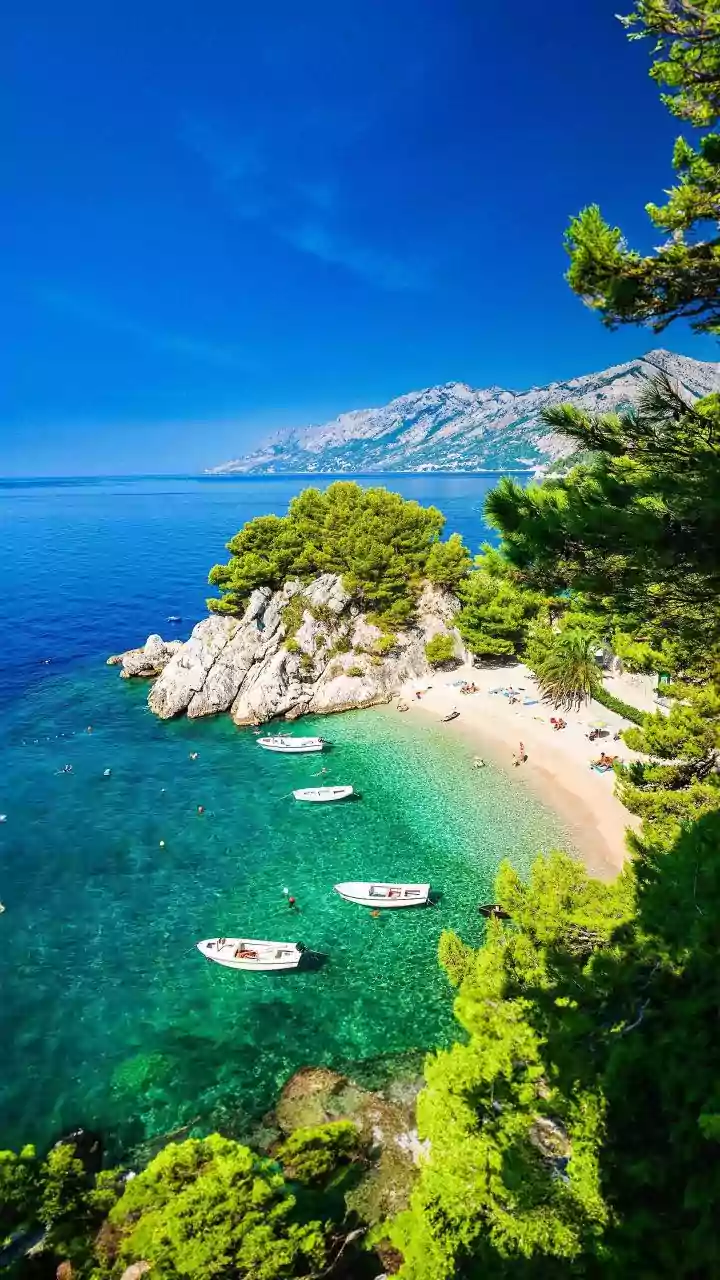
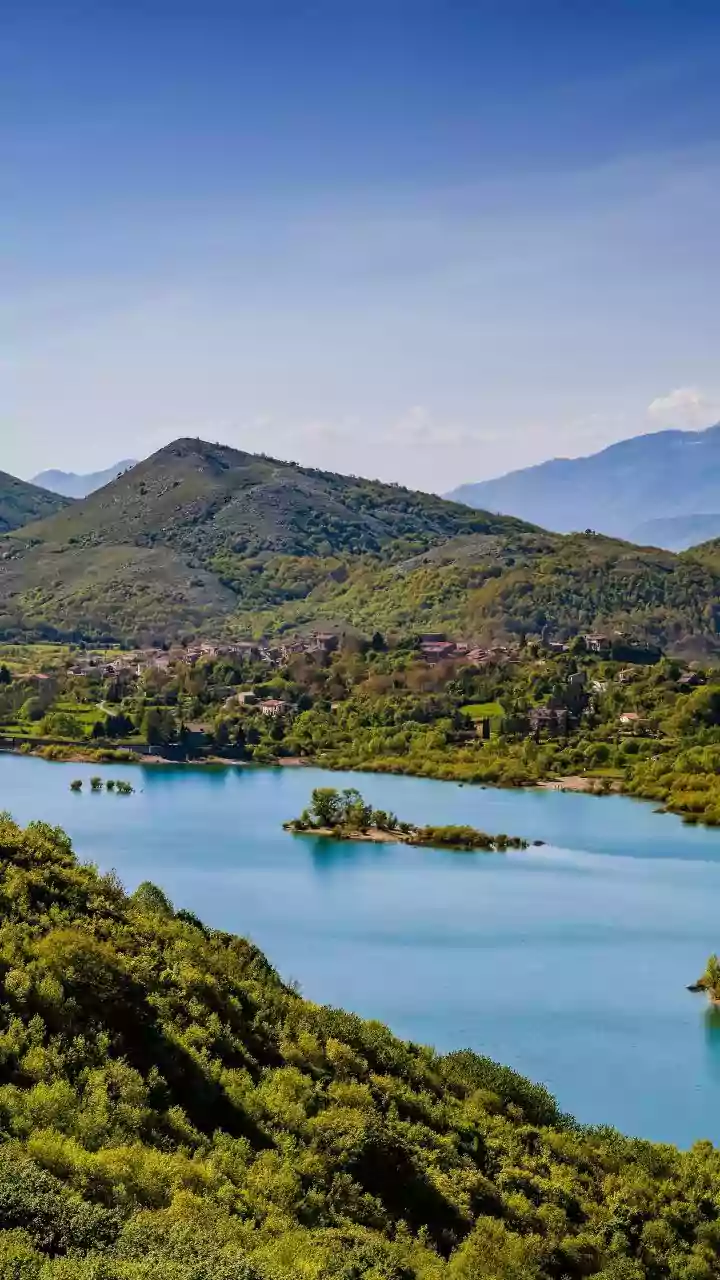
Adopting a different travel style can unlock a more peaceful Croatia. Consider basing yourself in a less-touristed city like Zadar and taking day trips to popular sights. Zadar is a vibrant city with Roman ruins and unique art installations like the Sea Organ. Venturing inland to regions like Zagorje or Slavonia reveals a Croatia of fairytale castles and rolling vineyards that most visitors miss. Renting a car provides the freedom to discover hidden coves and small villages along the coast that tour buses bypass. Another great option is exploring by sea; chartering a boat allows you to find secluded bays and beaches that are inaccessible by land, offering the ultimate escape from the crowds.