



The Rise of the Robots
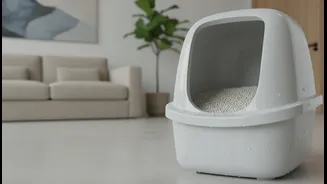
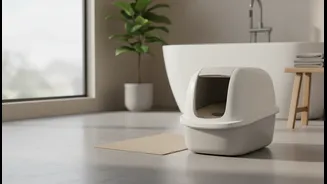
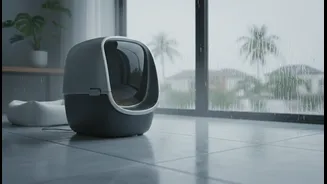
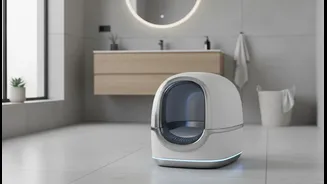
The most visible change in litter care is the surge of automatic, self-cleaning litter boxes. Once a niche luxury, these devices are now more accessible and reliable than ever. Models like the Litter-Robot and Petlibro Luma use sensors to detect when
a cat has finished its business. After a set delay, a rake or rotating mechanism sifts the clumps into a sealed waste drawer, leaving a fresh bed of litter for the next use. The benefits are clear: significantly less daily scooping, superior odor control thanks to contained waste, and a consistently clean box that appeals to fastidious felines. While the price tag can be a barrier and some cats may be wary of the automated cleaning cycle, many owners report that the convenience is a game-changer, especially in multi-cat households.
Your Litter Box, The New Health Tracker
The newest frontier in litter innovation isn't just about automation; it's about proactive health monitoring. Some companies now offer litter formulas that contain pH indicators or other agents that change color to signal potential health issues like urinary tract infections or blood in the urine. This provides an early warning system, allowing owners to spot problems before more serious symptoms arise. Going a step further, smart monitoring systems use AI-powered scales placed under a standard litter box or integrated into an automatic one. These devices track a cat's weight, frequency of urination, and waste output, sending data and alerts to an app on your phone. In multi-cat homes, some systems use AI and weight differences to distinguish between pets, providing individualized health reports you can share with your veterinarian.
Beyond Clay: The Material Revolution
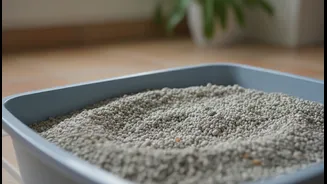
The contents of the box are evolving, too. While traditional clay litter remains popular, eco-conscious consumers are driving demand for sustainable alternatives. Litters made from renewable materials like pine, corn, wheat, recycled paper, and even walnut shells are now widely available. These plant-based options are biodegradable, which reduces their environmental footprint compared to strip-mined clay. Many natural litters also offer performance benefits, such as being low-dust, lightweight, and effective at odor control without synthetic fragrances. Corn and wheat litters often have natural clumping properties, while soft paper pellets are gentle on sensitive paws. Though some cats may need time to adjust to a new texture, the variety of materials means there is likely a green option that suits your pet.
The Fundamentals Still Matter
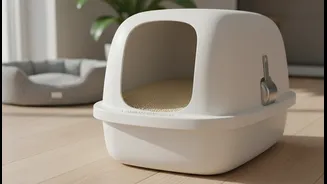
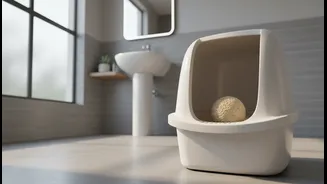
Even the most advanced technology can't replace the basic principles of good litter box etiquette. Veterinarians stress that fundamental factors are crucial for a cat's comfort and consistent use. The golden rule is to have one box per cat, plus one extra, placed in different quiet, low-traffic areas of your home. Size also matters; the box should be about one and a half times the length of your cat, giving them ample room to turn around and dig. Most cats prefer open, uncovered boxes, as hoods can trap odors and make them feel vulnerable by limiting their escape routes. And while technology can help keep things clean, it doesn't eliminate the need for regular maintenance. Automatic boxes still need their waste drawers emptied and the entire unit deep-cleaned periodically.