


India's Guardians in the Sky
India's agricultural sector, the backbone of the nation's economy, has always been deeply intertwined with the whims of nature. To bring predictability to this vital field, the Indian Space Research Organisation (ISRO) operates a sophisticated Earth Observation
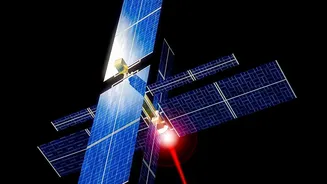
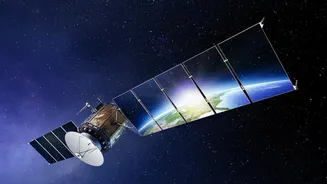
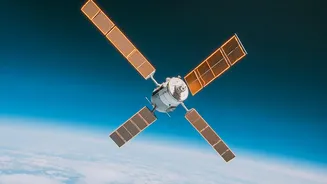
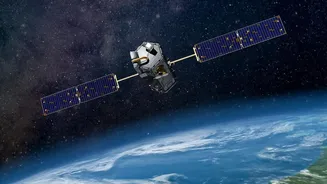
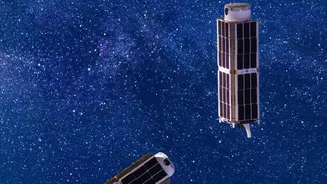
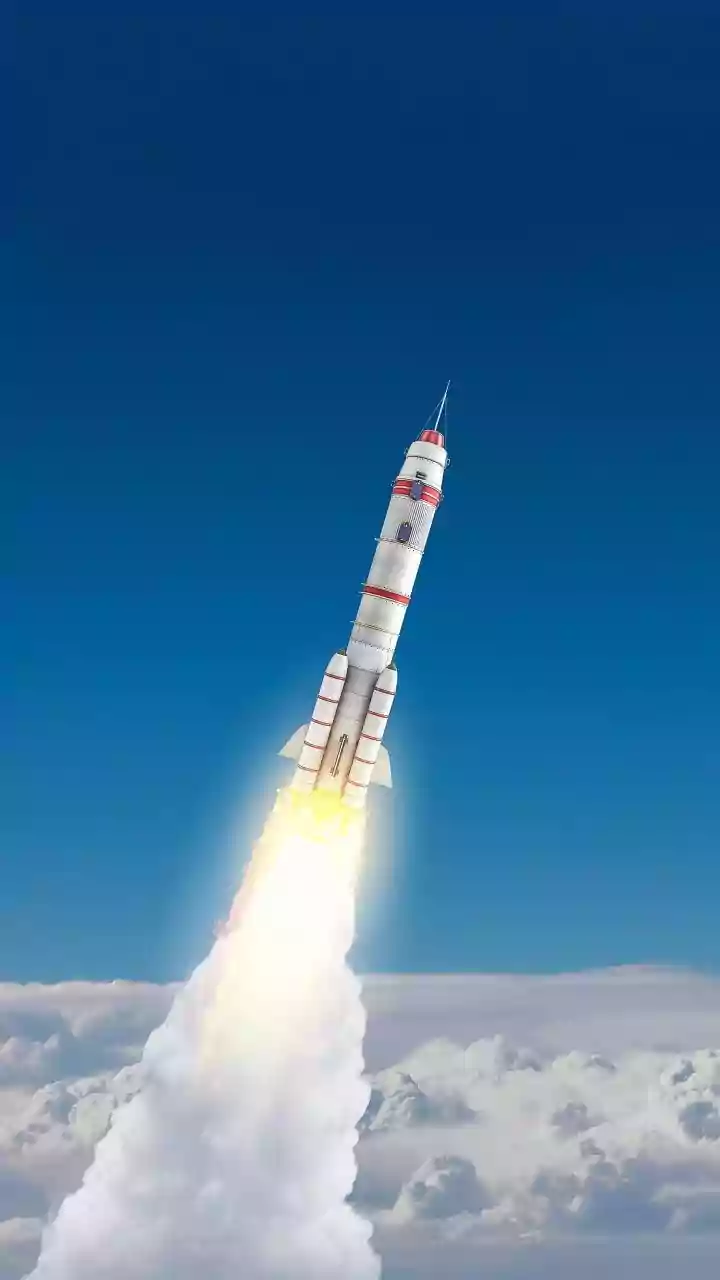
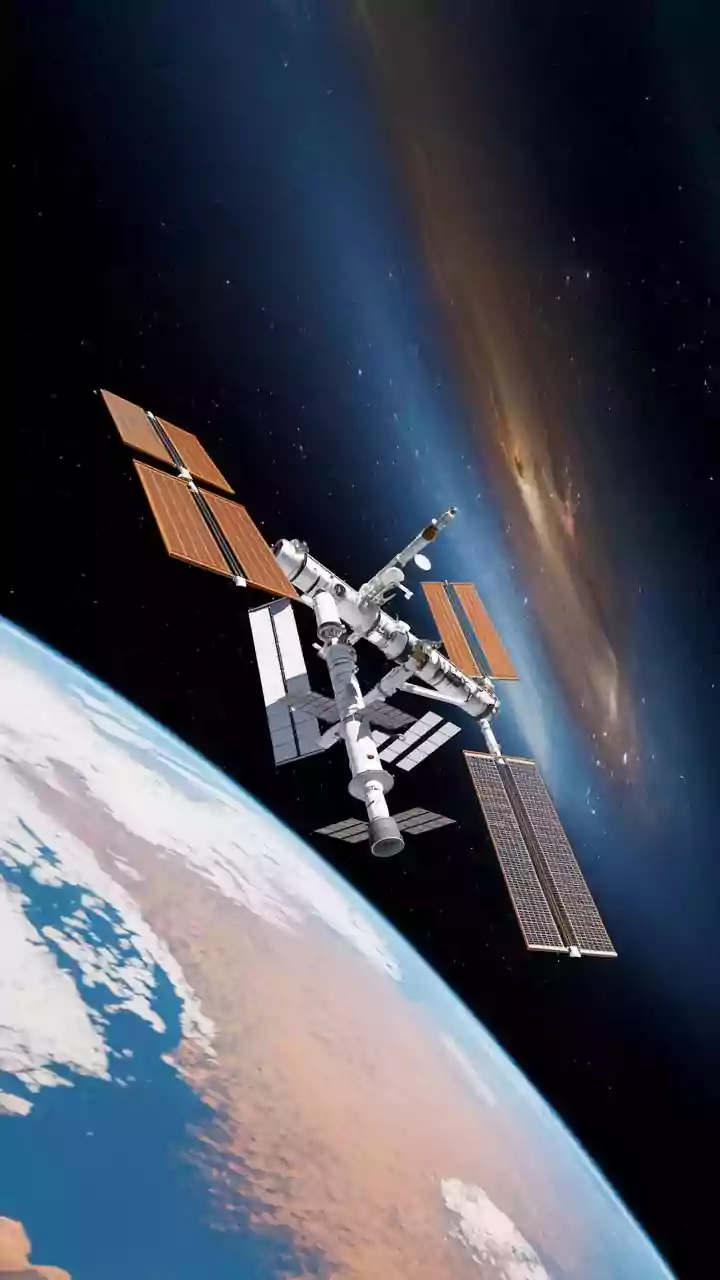
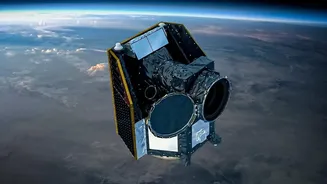
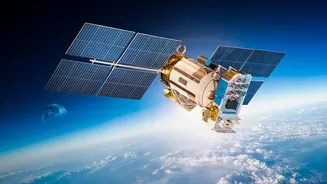
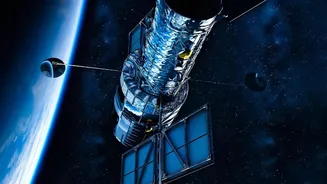
(EO) satellite program. While the headline mentions EOS-05, it's important to look at the broader fleet. The original satellite designated EOS-05 (GISAT-1) was lost during a launch in 2021. However, ISRO successfully launched its replacement, also designated EOS-05 (GISAT-1A), in early September 2026. This satellite joins a constellation of others like RISAT-1A (EOS-04) and Oceansat-3 (EOS-06), all working towards a common goal: using space technology to safeguard India's food security. These satellites are equipped with powerful sensors that can see what the human eye cannot, providing a constant stream of data about the health of our planet.
The Technology of Seeing
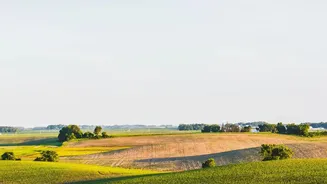
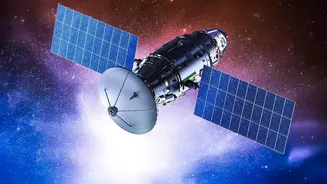
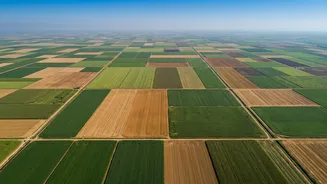
So, how does a satellite hundreds of kilometres up in space know if a wheat field in Punjab is healthy? The answer lies in advanced imaging technology. Many of these satellites use Synthetic Aperture Radar (SAR), which has a crucial advantage: it can see through clouds and operate day or night. This is especially vital during India's monsoon season. Satellites like RISAT-1A (EOS-04) use C-band SAR to monitor crops like paddy and jute when they are obscured by heavy cloud cover. The satellite sends down radar pulses and analyses the signals that bounce back. Healthy, well-irrigated crops reflect these signals differently than those suffering from water stress or disease. By capturing these multi-spectral images, scientists can create a detailed picture of crop health, soil moisture, and land use across the entire country.
From Raw Data to Farmer's Almanac
Collecting data is only the first step. The real magic happens when this information is processed and turned into actionable advice for farmers and policymakers. ISRO has developed several flagship programs to achieve this. Initiatives like FASAL (Forecasting Agricultural output using Space, Agrometeorology and Land-based observations) use satellite data to provide pre-harvest crop production forecasts for major crops like rice and wheat. Another program, NADAMS, focuses on monitoring drought conditions, allowing for early warnings and timely interventions. More recently, ISRO launched the Krishi-Decision Support System (Krishi-DSS), a platform that gives real-time data on everything from weather patterns to pest outbreaks, empowering farmers to make proactive decisions. Much of this data, such as high-resolution soil moisture information from EOS-04, is made freely available through portals like Bhoonidhi, democratising access to this powerful technology.
The Impact on the Ground
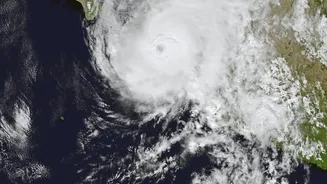
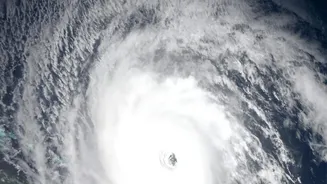
This technology is not just theoretical; it's delivering tangible benefits. By providing precise information on soil moisture, satellites help optimise the use of water, a critical resource. Early warnings about weather events like cyclones or floods, enabled by satellites like INSAT-3D and the new EOS-05, give communities crucial time to prepare and mitigate crop damage. In a 2022-23 survey in Parbhani, Maharashtra, the use of satellite-based advisories was shown to improve the productivity of soybean and cotton crops by 2-5% while reducing input costs by 5-10%. This translates to higher yields, better livelihoods, and increased climate resilience for farmers who are on the front lines of environmental change. It also helps in the efficient settlement of crop insurance claims under schemes like the Pradhan Mantri Fasal Bima Yojana (PMFBY).
A Secure Future for Indian Farming
India's Earth Observation program represents a monumental shift from reactive to proactive agriculture. Instead of simply responding to droughts or floods, the nation can now anticipate and plan for them. As technology evolves, so will these capabilities. The joint NASA-ISRO Synthetic Aperture Radar (NISAR) mission, for example, will provide even more detailed data on crop growth and soil moisture across the globe. Meanwhile, the successful launch of EOS-05 in a geosynchronous orbit allows for near-constant monitoring of the Indian subcontinent, a game-changer for tracking fast-moving weather systems and disasters. By continuing to invest in and refine this 'eye in the sky', India is not only empowering its farmers but also building a more resilient and secure food future for its 1.4 billion citizens.