




An Invisible Shield Against the Sun
At its core, a smart window coating is an ultra-thin layer of material applied to glass that can control the amount of heat and light passing through. Think of it as sunglasses for your building, but far more intelligent. These are not just simple tints;
they are sophisticated systems designed to specifically target the sun's infrared radiation—the part of the solar spectrum that we feel as heat. Traditional windows let in both light and heat, forcing air conditioners to work overtime. Smart coatings, often called spectrally selective films, are engineered to differentiate between the two. They allow a high amount of visible light to pass through, keeping interiors bright and pleasant, while reflecting or absorbing a significant portion of the infrared heat. This keeps rooms naturally cooler without sacrificing daylight.
The Science of Staying Cool
There are two main families of smart window technology: passive and active. Passive coatings, like Low-Emissivity (Low-E) and thermochromic films, react automatically to the environment. Low-E coatings have a microscopically thin metallic layer that reflects heat. In summer, it reflects the sun's heat outward, and in winter, it can even help keep a building's internal heat from escaping. Thermochromic coatings are even more dynamic; they automatically tint when the glass heats up to a certain temperature, blocking more heat when the sun is most intense, and become clear again as it cools. Active technologies, like electrochromic glass, give users direct control. These systems use a low-voltage electrical charge to trigger a chemical reaction that tints the glass on demand. With the flick of a switch or a command from a smartphone app, you can change the window from perfectly clear to a dark, heat-blocking tint in minutes. This offers unparalleled flexibility for privacy and heat management.
More Than Just Temperature Control
The benefits of smart coatings extend far beyond just cooling. One of the most significant advantages is the blocking of ultraviolet (UV) radiation. These films can block up to 99% of harmful UV rays, which are the primary cause of fading in furniture, flooring, and artwork. This extends the life of your interiors while also protecting occupants from skin damage. Furthermore, by reducing the intensity of direct sunlight, these coatings significantly cut down on glare, making it easier to work on computer screens and improving overall visual comfort in offices and homes. Some films also add a layer of safety, making glass more shatter-resistant.
The Economic and Environmental Case
While the initial investment for smart glass or high-performance films can be higher than traditional glass, the return on investment is compelling. By blocking a large portion of solar heat gain, these coatings can reduce the load on air conditioning systems by up to 30%. In a commercial building, this can translate to annual energy savings of 5% to 15%. Over time, these lower electricity bills can offset the upfront cost, often with a payback period of just a few years. For India, the environmental benefits are equally crucial. Government mandates like the Energy Conservation Building Code (ECBC) encourage the use of energy-efficient materials. Widespread adoption of smart glass technology in new construction and retrofitting existing buildings could significantly reduce the country's peak electricity demand during summer, lessening the strain on the power grid and lowering the carbon footprint of our cities.
Growing Adoption in Urban India
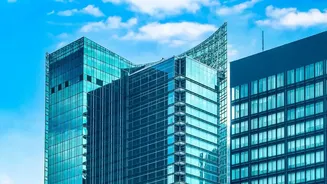
The market for smart glass in India is growing rapidly, driven by the boom in sustainable construction and a greater awareness of energy efficiency. Architects and builders in major metropolitan areas like Delhi, Mumbai, and Bengaluru are increasingly incorporating these technologies into corporate offices, luxury homes, and even hospitals to create more comfortable and eco-friendly spaces. While once seen as a luxury item, the falling costs and clear long-term benefits are making smart window solutions a practical choice for a wider range of projects. As urban India continues to expand, these intelligent materials will play a vital role in designing the sustainable and comfortable buildings of the future.