






The City Itself is a Heater
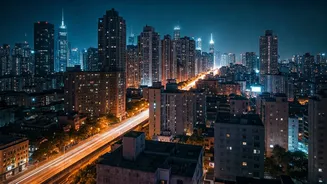
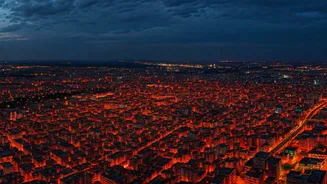
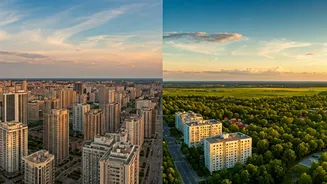
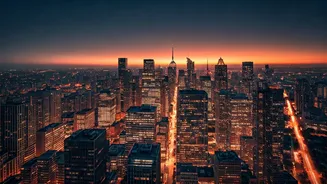
The core of the problem lies in a phenomenon known as the Urban Heat Island (UHI) effect. Indian cities, with their dense clusters of buildings, roads, and other infrastructure, absorb and retain significantly more solar radiation than rural areas with natural
landscapes. Materials like concrete, asphalt, and dark-coloured surfaces soak up heat all day long. As evening falls, this stored energy is slowly released back into the environment, keeping the entire city warmer. Studies across major Indian cities show that this effect is often more intense at night, preventing the city from cooling down. This means that even before we consider your specific building, the very air surrounding it is artificially warm.
Your Building Has a 'Heat Memory'
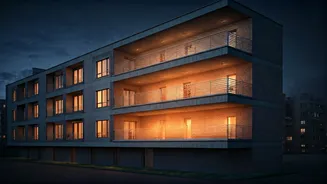
The main culprit identified in recent Indian research is the material your home is made of. Most modern apartments in India are built using Reinforced Cement Concrete (RCC) and bricks. These materials have a high 'thermal mass,' which means they are very good at absorbing and storing heat. Throughout the day, your walls and roof soak up the sun's energy. Then, long after the sun has set, they begin to radiate this stored heat, but this time, they release it inwards, into your apartment. A landmark study in Chennai found that indoor temperatures in concrete homes actually peaked between 8 pm and 9 pm, hours after outdoor temperatures had started to fall. Your apartment essentially acts like a slow-release oven, baking you with the day's heat all night long.
Trapped Air and Poor Design
Modern apartment construction often prioritises space over airflow. Densely packed buildings can block wind, and designs with windows on only one side prevent effective cross-ventilation. Without a way for hot air to escape and cooler night air to enter, the indoor environment becomes stagnant and stuffy. The Chennai study also highlighted the role of high humidity, which remained above 75% at night. High humidity makes the heat feel even more oppressive because it hinders the body's natural cooling mechanism: sweating. This combination of trapped, hot, and humid air creates a deeply uncomfortable and unhealthy indoor climate, leading to poor sleep and fatigue.
The Air Conditioner Paradox
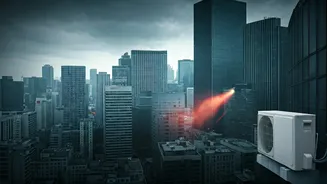
For those who can afford it, the immediate solution is to switch on the air conditioner. However, this creates a vicious cycle. While the AC cools your room, its outdoor unit pumps hot air into the surroundings. In a dense urban environment with thousands of AC units running simultaneously, this waste heat significantly contributes to the overall Urban Heat Island effect, making the city even hotter for everyone else and increasing the baseline temperature that buildings have to contend with. Research highlights this stark "cooling gap," where higher-income households can buy relief, while lower-income families are left to endure the escalating heat with only fans, which merely circulate the hot air.
What Can Be Done?
The research points towards a clear need for a change in how we build our cities. The solution isn't just about more ACs, but smarter design. Passive cooling techniques are key. These include using light-coloured, reflective paints on roofs (cool roofs), which can dramatically reduce heat absorption. Incorporating better ventilation, providing external shading for windows, and using building materials with lower thermal mass—like hollow bricks or autoclaved aerated concrete blocks—can make a significant difference. For residents, simple habits like opening all windows to flush out hot air early in the morning and late at night when it's cooler outside can provide some relief.