

Imagine snipping fresh, fragrant dhaniya and pudina right from your kitchen window. With a few simple tricks, you can turn a small, sunny spot into a productive herb garden, ensuring you always have these essentials on hand for your cooking.
Pots and Soil: Your Foundation for Success
Before you
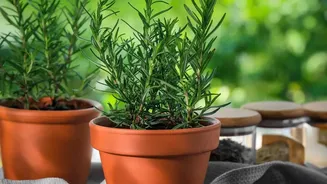
even think about seeds, getting the foundation right is key. Both coriander and mint need pots with excellent drainage to prevent their roots from rotting. Standard terracotta or plastic pots that are at least 6-8 inches deep are ideal. This depth gives coriander's taproot room to grow and contains mint's aggressive nature. Ensure every pot has drainage holes at the bottom. For soil, choose a light, well-draining potting mix. You can buy a pre-made mix or create your own by combining garden soil, compost, and a bit of sand or perlite to improve drainage. A good mix should be fertile but not heavy, allowing roots to breathe and water to flow freely. This simple step is the single most important factor in preventing the most common cause of herb failure: waterlogged soil.
Mastering Coriander (Dhaniya)
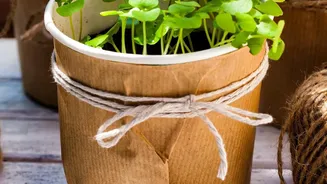
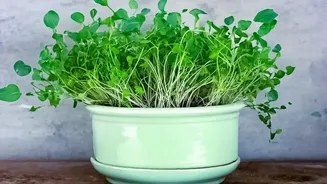
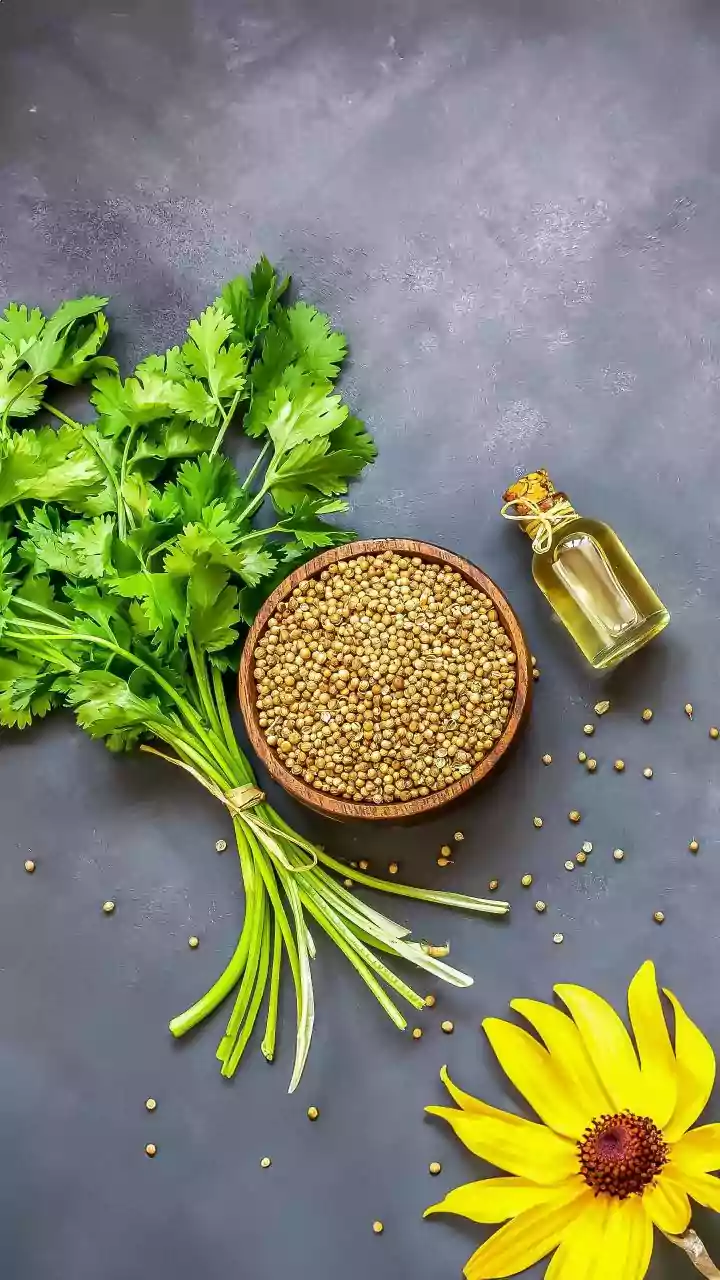
Coriander can be tricky. It has a reputation for 'bolting'—flowering prematurely in hot weather, which makes the leaves lose their flavour. To avoid this, grow it during cooler months or in a spot that gets morning sun but is shielded from the harsh afternoon heat. Instead of planting just a few seeds, sow them generously across the soil surface, about 1cm deep. A handy trick is to gently crush the whole coriander seeds (the kind from the spice box) into two halves before sowing; this often improves germination. Water gently, keeping the soil consistently moist but never waterlogged. The biggest mistake is watering from overhead; always water the base of the plant to keep the leaves dry and prevent fungal diseases. You can start harvesting the outer leaves once the plant is about 4-6 inches tall. Regular harvesting actually encourages the plant to produce more leaves and delays flowering.
Taming the Mighty Mint (Pudina)
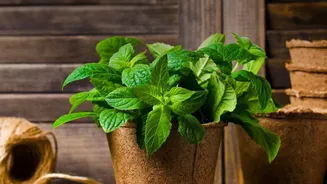
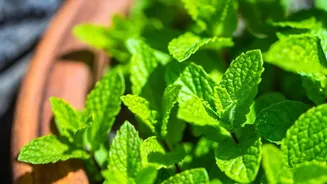
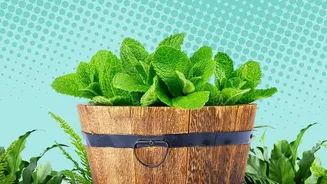
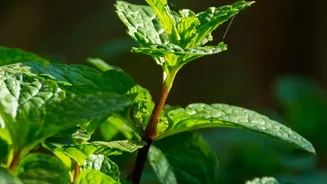
Mint is the opposite of coriander; it's incredibly easy to grow and its biggest challenge is containing it. It spreads aggressively through runners, which is why growing it in its own pot is essential. You can start mint from cuttings from a healthy plant—even a bunch from the market. Just place a few healthy sprigs in a glass of water, and within a week or two, you'll see roots forming. Once the roots are a couple of centimetres long, plant them in your pot. Mint enjoys moist soil and tolerates a bit more water than many other herbs. It will thrive in a spot with bright, indirect light, though it can also manage in partial shade. More light will keep the plant bushy and compact. Harvest your mint often by snipping the tops of the stems. This encourages the plant to grow bushier and fuller, giving you a constant supply for your tea and chutneys.
Sunlight and Watering Essentials
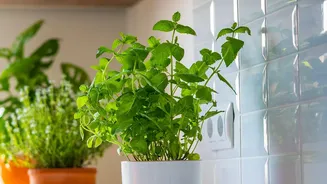
Most herbs, including coriander and mint, need at least 4-6 hours of sunlight daily. A south or west-facing windowsill is often best. If your plants start to look 'leggy' or stretched out, it's a sign they need more light. When it comes to watering, there's no fixed schedule. The 'finger test' is your best guide. Stick your finger about an inch into the soil. If it feels dry, it's time to water. If it's still damp, wait another day. Always water thoroughly until you see it running out of the drainage holes at the bottom, then discard any excess water from the saucer. Letting a pot sit in water is a guaranteed way to cause root rot. In summer, you might need to water every day, while in winter, it could be every few days.
Simple Hacks for a Lush Harvest
To keep your windowsill garden thriving, a few extra hacks can make all the difference. First, rotate your pots every few days to ensure all sides of the plant get equal sunlight, promoting even growth. Second, feed your plants. Since they're in pots with limited soil, nutrients get used up. Every 4-6 weeks, give them a feed with a mild organic liquid fertiliser or some compost tea to replenish the soil. Third, don't be afraid to harvest. Regular trimming is not just for using your herbs; it's a critical part of their care. Pinching off the top leaves and stems encourages the plant to branch out and become bushier, rather than tall and sparse. Finally, if you notice any pests like small aphids, a simple spray of soapy water is usually enough to take care of them without resorting to harsh chemicals.