




It Starts with the Gut
The most significant driver behind the fermentation boom is the growing obsession with wellness, specifically gut health. Millennials, a generation hyper-aware of the connections between diet and overall well-being, have embraced the science behind the 'gut
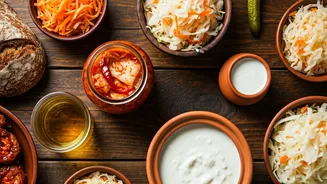
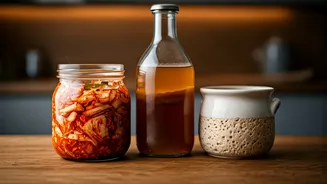
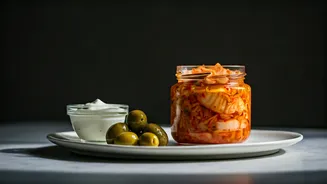
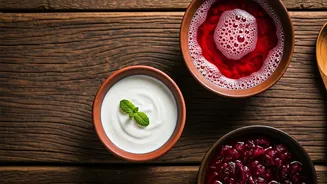
microbiome.' Fermented foods are natural sources of probiotics—live beneficial bacteria that support a healthy digestive system. Concepts that once belonged to scientific journals are now common cafe chatter: a healthy gut is linked to better immunity, improved mood, and clearer skin. Foods like yoghurt, kefir, and kimchi are no longer just ingredients; they are functional foods, consumed with the specific intention of nourishing the trillions of microbes inside us. This shift from reactive to proactive health management is a hallmark of the millennial mindset, making fermented foods a perfect fit for their lifestyle.
A Hunger for Complex Flavours
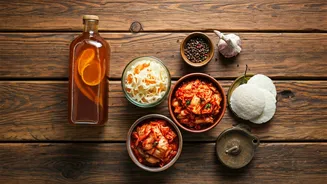
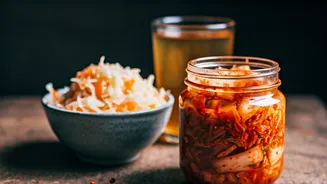
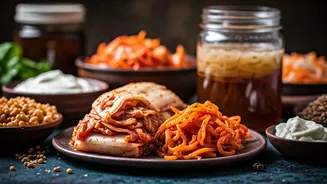
Beyond the health benefits, this trend is also about taste. The millennial palate is famously adventurous, shaped by global travel, food blogs, and a multicultural culinary landscape. Fermentation introduces a world of complex, bold flavours that stand in stark contrast to the monotonous sweetness or saltiness of many processed foods. The tangy funk of kimchi, the earthy depth of miso, the sour kick of sauerkraut, and the vinegary fizz of kombucha offer a sophisticated taste experience. These are not simple flavours; they are layered, evolving, and deeply satisfying. This generation isn't just seeking sustenance; they are seeking sensation. Fermented foods deliver that in spades, transforming a simple meal into a culinary exploration.
The Allure of the DIY Process
In a world of instant gratification and digital abstraction, the hands-on, slow-moving process of fermentation offers a tangible sense of accomplishment. The sourdough baking craze that swept the world during the pandemic is the ultimate case study. Millennials documented their journey of feeding starters, kneading dough, and achieving the perfect 'oven spring' on social media. This wasn't just about making bread; it was about engaging in a craft. Fermentation is part science, part art. It requires patience, observation, and a connection to a living process. This DIY culture taps into a desire for authenticity and transparency—knowing exactly what goes into your food because you made it yourself. It's a quiet rebellion against opaque supply chains and mass-produced goods.
Connecting with Tradition
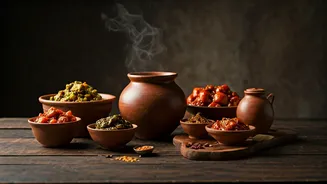
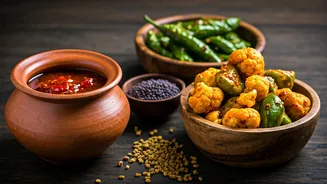
While the trend feels modern, fermentation is an ancient preservation technique. For many, including in India, it’s a powerful link to heritage. The process behind making traditional 'achaar' (pickles), fermenting batter for 'idli' and 'dosa', or preparing 'kanji' is rooted in generations of wisdom. Millennials are rediscovering these traditions, not as quaint relics, but as relevant and sustainable practices. This global trend provides a new lens through which to appreciate local culinary heritage. It bridges the gap between a grandmother’s kitchen and a trendy health food store, showing that the principles of good food are timeless. By embracing fermentation, many are connecting with their own cultural history in a way that feels both personal and profound.
Beyond Kombucha: The Expanding Menu
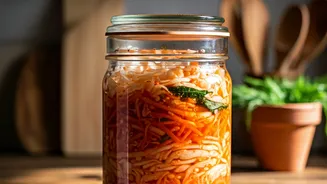
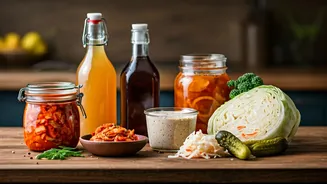
While kombucha may be the poster child of the movement, the world of fermented foods is vast and growing in popularity. Kefir, a fermented milk drink similar to a thin yoghurt, is becoming a breakfast staple. Tempeh, a fermented soybean cake from Indonesia, is prized as a high-protein meat alternative. Even vegetables are getting the fermentation treatment, with sauerkraut (fermented cabbage) and other pickled veggies appearing on menus as flavour-packed toppings and side dishes. This variety ensures the trend has staying power. As palates become more accustomed to fermented tastes, the market continues to innovate, introducing a wider audience to everything from Japanese natto to Russian kvass.